

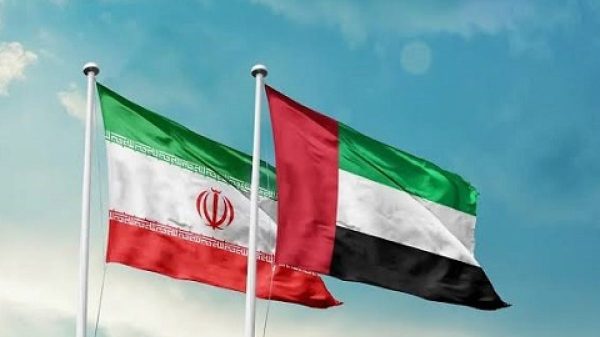
























A significant breakthrough in global diplomacy has emerged as the Strait of Hormuz begins to see traffic once again, following a two-week ceasefire agreement between the United States and Iran. This pivotal development, which was first highlighted by Reports, marks a cooling of tensions after a period of intense military activity that had effectively paralyzed one of the world’s most critical maritime corridors.
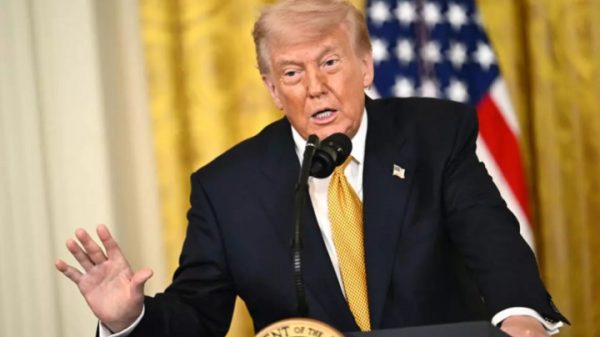
The diplomatic shift was confirmed early Wednesday through reports from the Tasnim news agency, citing sources close to Iran’s Revolutionary Guard. Iranian Foreign Minister Abbas Araghchi clarified that safe passage through the waterway is now being permitted, though he noted that transit must be coordinated with the nation’s armed forces and remains subject to certain technical constraints. This reopening was a non-negotiable demand from President Donald Trump, who had issued a stern ultimatum: either restore access to the Strait or face devastating strikes on Iran’s energy infrastructure and bridges.
The stakes could not have been higher leading up to the 0000 GMT deadline. The Strait of Hormuz has been largely inaccessible since late February, following a series of large-scale military strikes by the United States and Israel. The closure had sent ripples through the global economy, given the region’s vital role in the international oil and gas trade. Now, according to senior American officials, the agreement is being treated as a reciprocal arrangement, with Israel also expected to honor the terms of what the White House has described as a “double-sided ceasefire.”
Pakistan played a central role in bridging the gap between Washington and Tehran. Prime Minister Shehbaz Sharif confirmed via social media that the immediate ceasefire is broad in scope, covering not only direct hostilities between the two nations but also extending to their respective allies and various conflict zones, including Lebanon. Sharif expressed deep gratitude to the leadership on both sides for their “sagacious gesture” and has already extended an invitation for delegations to meet in Islamabad this coming Friday to begin work on a more permanent resolution.
This sudden turn toward de-escalation appears to have been influenced by personal appeals and a new framework for dialogue. President Trump noted that the Pakistani Prime Minister had specifically requested he hold back on planned military strikes to allow for this window of diplomacy. Furthermore, the U.S. administration is currently reviewing a 10-point proposal submitted by Tehran. While the details of the plan include ambitious requests such as the total lifting of sanctions, Trump indicated on Truth Social that the proposal provides a “workable basis” for the upcoming negotiations.
As the world watches the first vessels navigate the reopened Strait, the focus now shifts to the high-stakes meetings in Islamabad. While two weeks is a narrow window, the move represents the first tangible sign of stability in a region that has spent the last month on the brink of total war.