

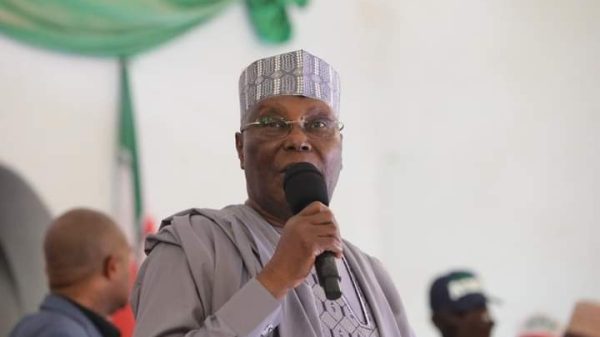

































The escalating wave of violence sweeping across Nigeria has drawn a sharp rebuke from former Vice President Atiku Abubakar, who warned that the persistent insecurity is a direct threat to the nation’s peace and unity. In a statement released on Saturday, the former VP characterized the recent surge in killings and abductions as completely unacceptable, stressing that these acts of terror must not be allowed to define the Nigerian identity.
Atiku emphasized that the primary duty of any administration is the safety of its citizens. He called for a renewed sense of urgency and better coordination among security agencies to restore public confidence. While expressing his condolences to the families of victims, he also pointed out that the situation requires a more decisive approach to prevent the country from slipping further into instability.
The weight of the security crisis was recently underscored by a tragic incident in Borno State. A coordinated assault on a military base in Benisheikh claimed the lives of several brave soldiers, including Brigadier-General O.O. Braimah of the 29 Task Force Brigade. The attack, which left military vehicles and facilities in ruins, highlights the ongoing struggle against insurgency in the North-East, where groups like Boko Haram and ISWAP continue to launch deadly strikes despite years of military operations.
Reports monitored by Zoyols News show that the violence has not been restricted to one region. Over the Easter period, worshippers in Kaduna State faced a horrific ordeal when gunmen invaded churches in Ariko village, killing five people and whisking away 31 others. In Benue State, suspected armed herders reportedly claimed the lives of ten residents in the Gwer East area. The carnage extended to Kebbi and Kwara states as well, with a staggering 44 deaths recorded in Shanga, Kebbi alone during a series of coordinated attacks.
In his message, Atiku also took a moment to recognize the role of the international community in this fight. He specifically expressed gratitude to the government of the United States for its continued partnership and support in the global effort to dismantle terrorist networks. He noted that such collaborations are vital for addressing threats that have become increasingly sophisticated and widespread.
Despite the grim reality of these events—including fresh assaults in Katsina and the burning of homes in Chibok—Atiku remained hopeful about the future. He expressed his firm belief in the resilience of the Nigerian people, stating that through collective resolve and a unified front, the nation would eventually prevail over these dark times.