



















TikTok star Theo Shakes, upon receiving the TikTok Entertainment Creator of the Year Award in 2025, made a bold appeal to casting directors and producers: look online for the next generation of acting talent. Theo, hailing from New Zealand, argued that content creators are more than ready to step into formal film roles. While his remarks were aimed at his local industry, they resonate deeply in Nigeria, where social media creators are increasingly crossing into Nollywood. The question is no longer whether it’s happening—it’s whether it should.
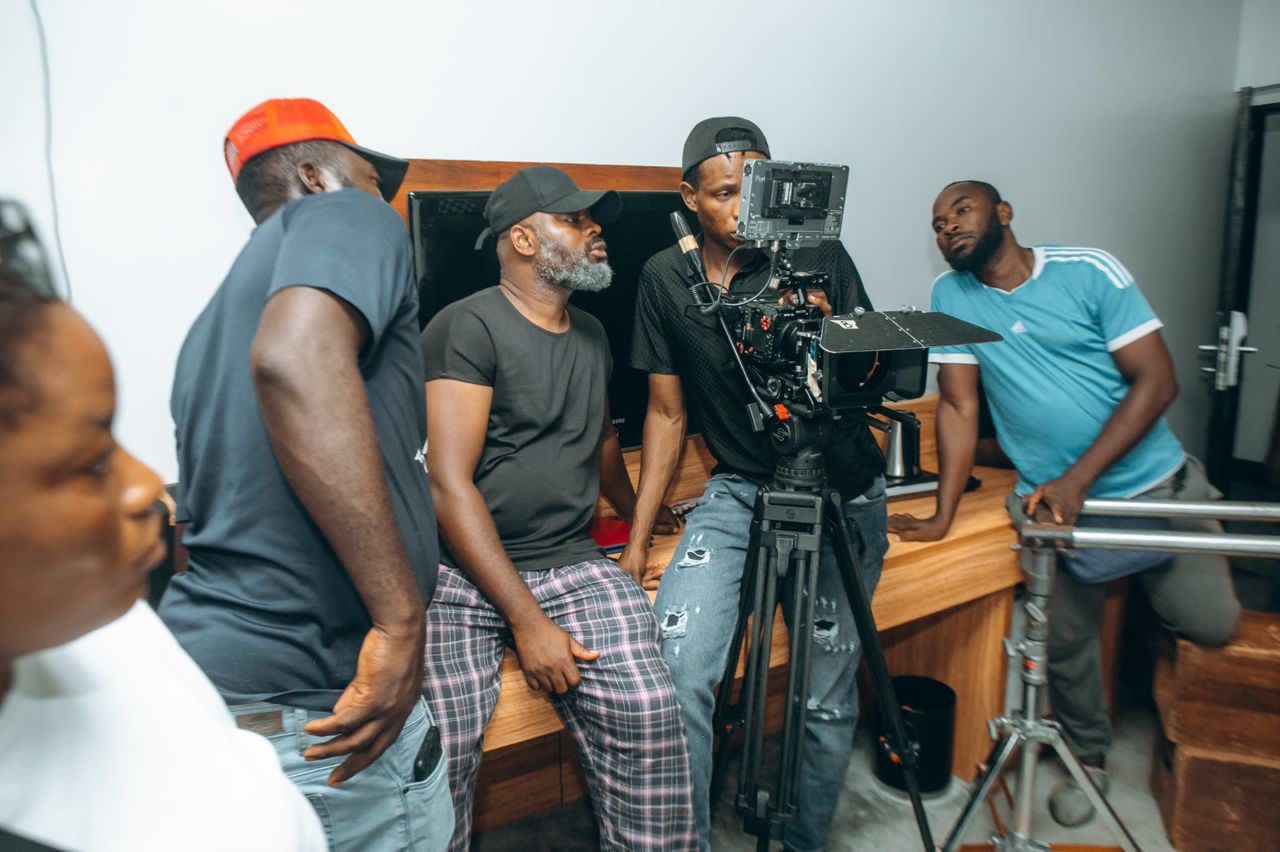
Content creators in Nigeria have become cultural fixtures. From Instagram skit makers to TikTok comedians with millions of views, these recognizable faces command loyal audiences. Nollywood filmmakers, eager to tap into that reach, see a clear advantage: increased visibility can translate into bigger box office numbers. Sometimes creators are brought in purely for promotion, other times they’re cast in roles, but the goal is often the same.
The bigger question remains: is acting the same as content creation? Can a creator truly perform on the big screen? Most Nigerian creators build their followings by playing heightened versions of themselves. When viewers click on a video, they know what to expect. A few, like Layi Wasabi and Taooma, play multiple personas, but even then, their performances are short, punchy, and crafted for social media’s rhythm. Film acting, on the other hand, demands the opposite: it requires immersing oneself in a character for ninety minutes, not ninety seconds.
Still, the line between content creation and acting is blurring. Some creators, like Baron Ryan, are moving beyond cameo appearances to produce their own feature films, showing that skills honed online can translate into storytelling when given structure and resources. Others adapt quickly and impress, like Akinyoola Ayoola, also known as Kamo State, who has successfully taken on diverse roles, including the billion-naira hit A Tribe Called Judah. Yet not everyone makes the leap smoothly. Some performances feel like elongated skits awkwardly inserted into films. When audiences critique this, it’s not always gatekeeping—it’s questioning whether popularity is being mistaken for preparation.
This isn’t a completely new phenomenon. Musicians have long crossed into film, some excelling, others floundering. Success in one medium doesn’t automatically guarantee skill in another—it merely shows that performance abilities can translate when nurtured. The same principle applies to content creators. Being popular online doesn’t automatically make someone a competent actor. Actors train to inhabit characters fully, often for hours or days, a depth that social media performances rarely demand.
The reality is that for many Nigerians, content creation is seen as a starting point. A phone camera is cheaper than drama school, and social media is more accessible than auditions. It’s where many first discover their ability to perform. That’s valid, but it doesn’t equate to professional acting.
The real question is how the industry chooses to engage with creators. Are they cast because they fit the character, or because they bring followers? Are they coached, challenged, and developed, or simply dropped into roles to capitalize on their reach?
Content creators should absolutely be considered for acting roles—but consideration should not mean automatic inclusion. Auditions, proper coaching, and guidance are essential. Nollywood has always evolved by embracing new talent from unexpected places, and social media may well be the next frontier. But at the heart of it, acting should never be about followers or likes—it’s about carrying a story convincingly. The camera may be familiar, but the craft still demands dedication.
What’s your take on this? Can content creators truly thrive in acting, or is popularity no substitute for skill?