















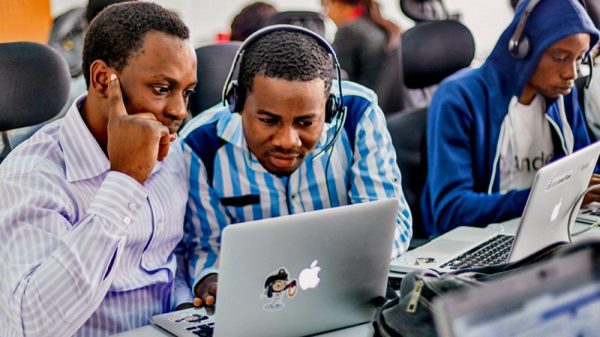




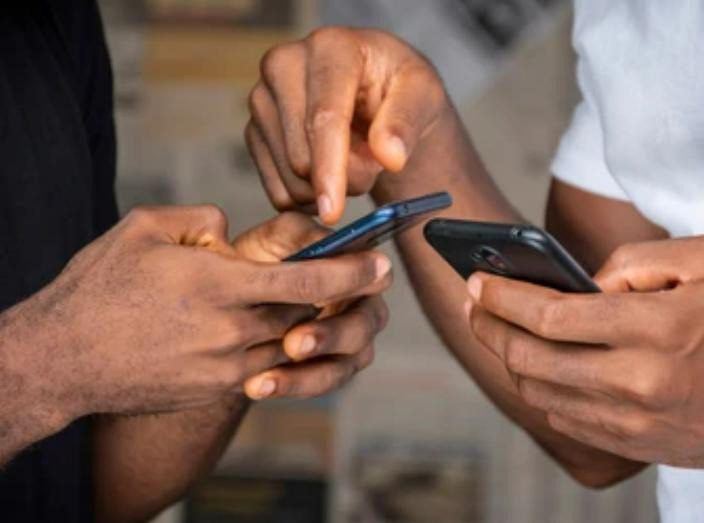
For Chiamaka Onyia, a 200-level student at the University of Lagos, mobile data isn’t a luxury—it’s a lifeline. Her daily routine is a digital marathon of online lectures, research assignments, and managing freelance graphic design gigs. Like many young Nigerians, she has had to become a strategist to stay connected, often delaying heavy downloads or lecture videos until the late hours to take advantage of cheaper night plans.
Chiamaka’s reality reflects a broader national trend. Despite the biting economic climate and several tariff adjustments throughout the year, Nigerians’ appetite for the internet remains insatiable. The country’s total data consumption skyrocketed past 13 million terabytes in 2025, proving that for most citizens, being online is now as essential as food or shelter.
The numbers tell a story of remarkable resilience. Starting at roughly one million terabytes in January, consumption climbed steadily month after month, peaking at a staggering 1.38 million terabytes in December. Analysts suggest this growth is fueled by a cocktail of necessity and lifestyle. From the expansion of remote work and online schooling to the deep integration of fintech and cloud services, the digital economy has become the engine room of Nigerian daily life.
Mr. Muhammed Rudman, CEO of the Internet Exchange Point of Nigeria (IXPN), noted that high-bandwidth activities like social media videos are major drivers of this surge. This sentiment is shared by telecom expert Osita Odafi, who points out that while higher tariffs were implemented to cover rising operational costs—such as energy and forex pressures they haven’t stopped the momentum. Instead, Nigerians have simply adjusted their habits, rationing data during peak hours or seeking out budget-friendly bundles.
For small business owners and professionals, there is simply no alternative. Funke, a Lagos-based journalist, admits that data is now one of her largest operating expenses, but she views it as a non-negotiable cost of doing business. This sentiment is echoed by major telco players like Airtel Nigeria CEO Dinesh Balsingh, who recently described data as the “new oxygen.” He emphasized that with cities like Lagos expanding so rapidly, the industry is heavily investing in 5G and fiber infrastructure to support the sheer weight of Nigeria’s digital future.
Aminu Maida, the Executive Vice Chairman of the NCC, sees this surge as a testament to the Nigerian spirit. Even in the face of inflation, the data shows that people are finding ways to stay connected, sell their products, and get an education. By the end of 2025, the message was clear: no matter the cost, Nigeria’s journey toward a fully digital future is well and truly unstoppable.