




























In a significant diplomatic move, the Nigerian government has formally rejected Israel’s decision to recognize Somaliland as an independent state. The announcement follows Israel’s historic move on Friday, becoming the first nation to grant formal recognition to the self-declared republic, which broke away from Somalia in 1991. Despite its long-standing de facto independence, Somaliland had previously never received official recognition from any member of the United Nations.
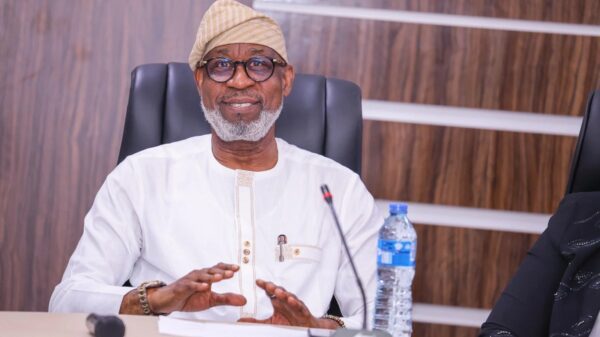
Nigeria’s stance was made clear through a statement issued on Saturday by the Ministry of Foreign Affairs. Spokesperson Kimiebi Ebienfa emphasized that the Federal Republic of Nigeria remains unequivocally committed to the sovereignty and territorial integrity of Somalia. According to the official communication, Nigeria recognizes the government in Mogadishu as the sole legitimate authority representing the Somali people and views any move to recognize breakaway regions as a direct threat to Somalia’s constitutional order.
The fallout from Israel’s decision has triggered a wave of condemnation across the globe. Nigeria did not stand alone in its protest, as it also joined over 20 other nations in a collective statement. This group, which includes Qatar, Saudi Arabia, Türkiye, Egypt, Algeria, and Pakistan, described the recognition as an “unprecedented measure” that could have severe consequences for the stability of the Horn of Africa and the Red Sea region. These nations, alongside the Organisation of Islamic Cooperation, argue that the move is a grave violation of international law and the UN Charter.
African Union has also weighed in, dismissing the recognition as a dangerous precedent. The AU highlighted its foundational principle of respecting borders inherited at independence, warning that such actions could destabilize various regions across the continent. The continental body reiterated that, in its view, Somaliland remains an integral part of the Federal Republic of Somalia.
Nigeria has called on all international actors to refrain from recognizing any part of Somali territory as independent, warning that such interference will only serve to escalate existing tensions. By taking this firm position, Nigeria reaffirms its long-standing foreign policy of protecting the political independence of African Union member states and discouraging separatist movements that could lead to further conflict.