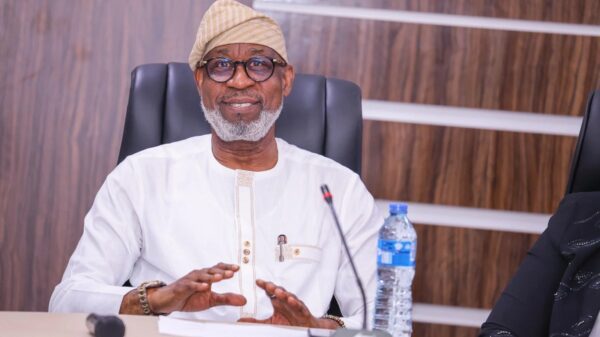





















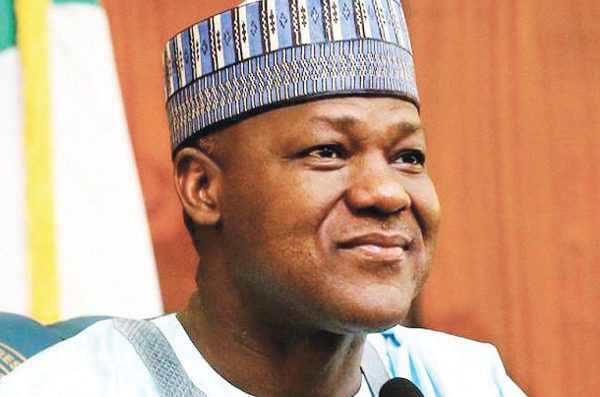
As the countdown to Nigeria’s 2027 general elections begins, Rt. Hon. Yakubu Dogara, the former Speaker of the House of Representatives, has sparked a conversation about the role global powers particularly the United States—might play in the process. Speaking during a recent television interview, Dogara suggested that the U.S. will likely take more than just a passing interest in who leads Nigeria next, driven by its own strategic need for a stable and influential partner in Africa.
Dogara painted a sobering picture of the current international climate, noting that traditional global norms have largely eroded. He argued that we have entered a phase in history where countries are either “at the table or on the menu.” However, he was quick to point out that simply being invited to global forums isn’t enough. In his view, the international order has become a space where the strongest often devour the rest, meaning Nigeria must be incredibly deliberate and strategic to protect its own future.
The former Speaker believes the U.S. simply cannot afford to watch Nigeria fail. He explained that a collapse or significant instability in Nigeria would create a ripple effect capable of altering the entire functional landscape of Africa. This reality, he claims, is why major powers are watching our democratic trajectory so closely. From what he has observed and gathered through various interactions, he expects this international scrutiny to intensify as 2027 draws nearer.
Beyond general diplomacy, Dogara also addressed the controversial topic of government lobbying in Washington. While he clarified that lobbying itself is a standard practice for most nations to maintain visibility and influence, he expressed serious concern over the sheer scale of the funds involved. He specifically questioned reports of the Nigerian government allegedly paying $9 million to a U.S. lobby group, noting that while engaging such groups is normal, a fee of that size is exceptionally high.
Dogara emphasized that while Nigeria has every right to seek influence within the U.S. political system, these efforts must be handled with transparency and a sense of proportion. For the former Speaker, the challenge isn’t just about a single election or a specific lobbyist; it is about Nigeria navigating an increasingly unstable global order where, if we aren’t careful, our future could be decided for us by outsiders.