















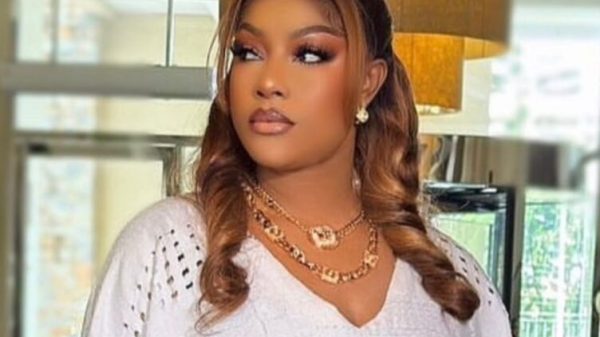
















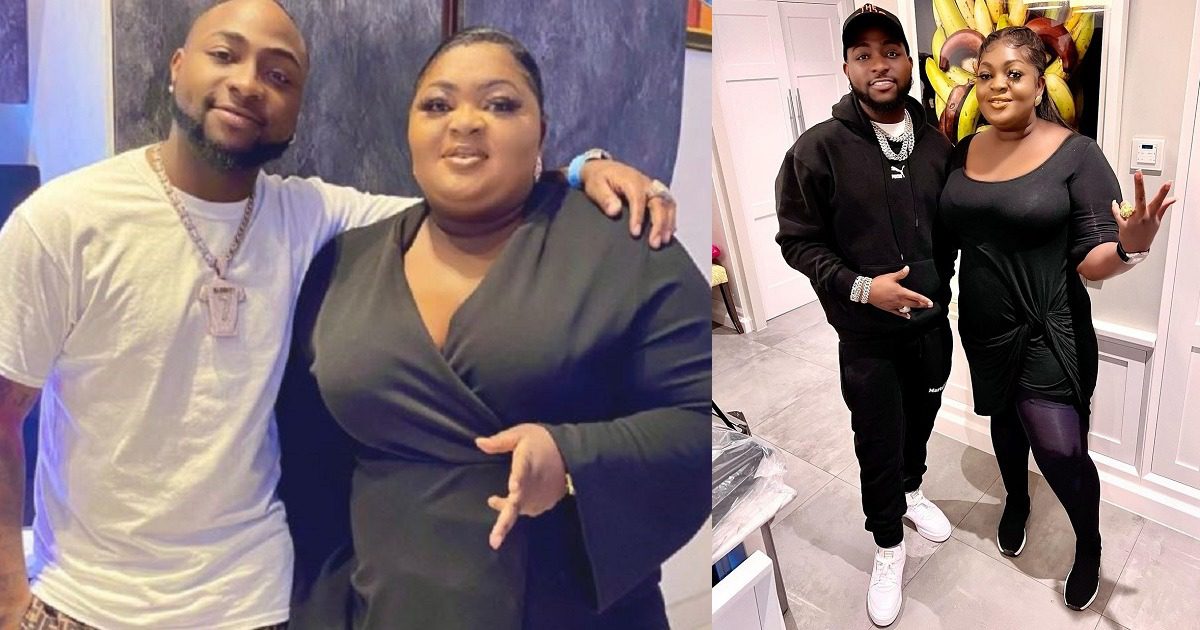
Eniola Badmus posted a picture from fifteen years ago on her Instagram page this week, and it stopped a lot of people mid-scroll. She looked much heavier in the old frame, a reminder of the plus-sized figure Nollywood fans first came to know. Next to it, she wrote simply that she was thanking God for the journey so far. The comments filled up quickly. Destiny Etiko called her discipline the real lesson. Others dropped prayers, jokes, and bits of Yoruba and Hausa praise into the thread, calling the change “hotness” and giving thanks in their own way.
It wasn’t the first time she has spoken about her body. A week earlier she had put up a before-and-after set and told women carrying extra weight not to hate themselves. Confidence, she said, isn’t sewn into a dress size; it’s a posture you take with yourself. Last year she told followers she was standing in a better place now, with a lighter frame and a clearer mind. She has been open about the numbers too, moving from 170kg down to 90kg—and about what that shift means in practical terms: easier breathing, better sleep, cleaner meals, a life that feels less heavy.
In April she admitted something more complicated. Some days she misses the old body, the comfort of a shape she had grown used to, the identity that went with it. But when she looks in the mirror today, she sees something else, growth she feels not only in her arms and waist but in her head.
The public shift became unavoidable in 2022, when she appeared at the AMVCA looking radically different, so much so that entertainment columns and blogs spent days discussing her. In that period Reports revealed her comments about how hard the process really was. Later, speaking with City People, she explained that the surgery she had in Turkey—a gastric bypass—was about controlling how she eats, not just about appearances.
All of it circles back to what she keeps returning to online: patience with yourself, gratitude for the small wins, and the idea that a body’s change does not erase the person who lived in the earlier one. For Badmus, the past picture is not a rejection but a marker—proof of how far she says God has brought her.