











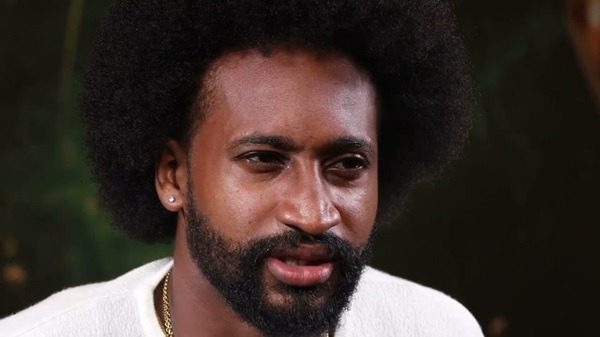








The tension trailing Nigeria’s recent Democracy Day demonstrations has taken a sharper turn as popular musician and activist Folarin Falana, widely known as Falz, leveled heavy accusations against the presidency. Reflecting on the nationwide June 12 rallies against rampant kidnappings and killings, the artist claimed that the federal government actively mobilized a rented crowd to disrupt and dilute the core message of the citizens.
The protests, which drew thousands across various states, were born out of a collective breaking point regarding Nigeria’s worsening security crisis. High-profile figures, including human rights attorney Femi Falana and activist Omoyele Sowore, marched alongside everyday citizens to demand the immediate release of all captives and a definitive end to terrorist activities.
However, The narrative on the ground quickly shifted from a unified demand for safety to a strange clash of agendas. Speaking via his social media handles over the weekend, Falz expressed deep disappointment at seeing a counter-protest group, composed largely of women, appearing to defend the current administration despite the severe economic and security hardships plaguing the nation.
The musician questioned how anyone could oppose a rally meant to protect Nigerian children, pointing directly to a string of unresolved mass abductions. He cited the lingering tragedy of the missing schoolchildren in Oyo State and recalled the horrifying February attack on the Woro community in Kwara State. In that incident, insurgents launched a relentless assault from late afternoon into the following morning, massacring roughly two hundred people and carting away over one hundred and seventy individuals who remain in captivity to this day.
Further compounding the tragedy, recent school raids in two Borno State communities have left dozens more primary and secondary students separated from their families. Activists argue that the continuous loss of innocent lives should transcend partisan politics, warning that no family is truly safe if the current trajectory continues.
For many Nigerians, the intersection of unchecked insecurity and a crushing cost of living has made daily survival an exhausting gamble. The overarching sentiment among the demonstrators is that economic hustle means very little if the state cannot guarantee the basic right to life. The fallout from the Democracy Day protests underscores a growing, volatile divide between an aggrieved public demanding immediate accountability and a government desperate to manage its public image.