




































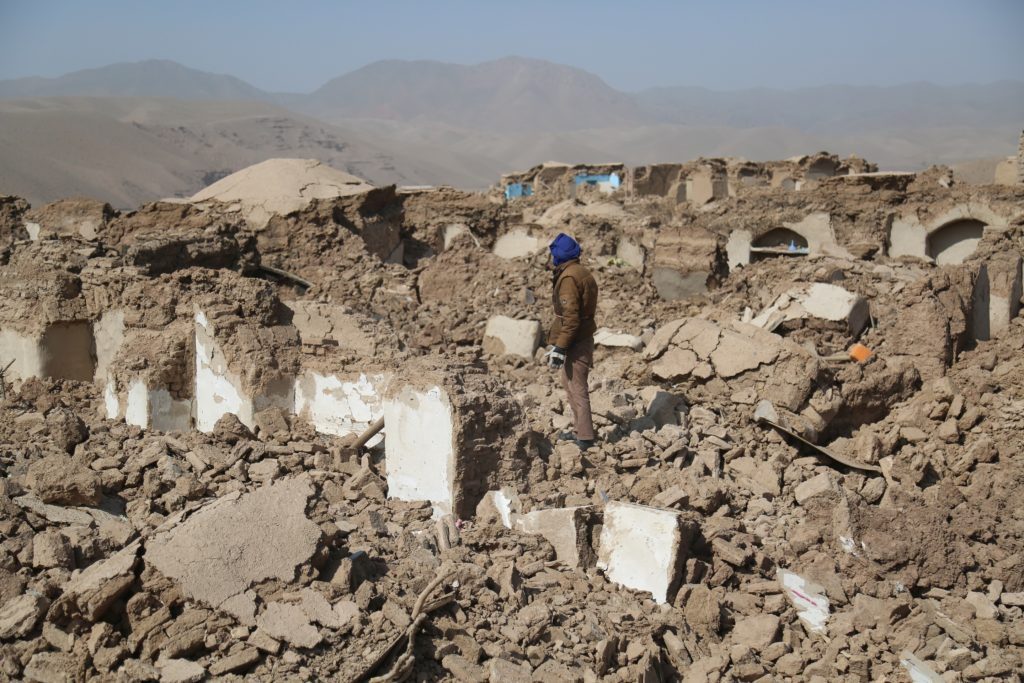
Afghanistan has been struck by another earthquake, a 5.2-magnitude tremor that hit the east of the country on Tuesday, compounding the devastation from a massive quake over the weekend that left more than 1,400 people dead.
Officials reported that the epicentre of the latest quake was in the same region where a 6.0-magnitude earthquake struck late Sunday night, destroying villages in remote mountainous areas close to the Pakistan border. According to Ehsanullah Ehsan, spokesperson for disaster management in Kunar province, aftershocks have continued to rattle the region, though no fresh casualties have been recorded.
Figures released by the Taliban government put the death toll from Sunday’s disaster at 1,411 in Kunar alone, with more than 3,100 others injured. Neighboring Nangarhar province also reported at least a dozen deaths and hundreds of injuries. Authorities said more than 5,400 homes were flattened, leaving families with little more than rubble.
The country’s fragile state has made the impact even more severe. Years of conflict, economic decline, and reduced foreign aid since the Taliban takeover in 2021 have eroded Afghanistan’s disaster response capacity. United Nations officials warned that “hundreds of thousands” could be affected by the destruction.
Rescue efforts have been hampered by inaccessible terrain. Emergency teams, alongside local villagers, have been working tirelessly to dig through debris with bare hands, searching for survivors trapped beneath collapsed mud-brick houses. In Jalalabad, the provincial capital of Nangarhar, hospitals have been overwhelmed, receiving hundreds of trauma patients with head, back, and leg injuries. Many remain unidentified, awaiting family members.
International aid has begun trickling in. The European Union announced the delivery of 130 tonnes of emergency supplies and one million euros in assistance. However, humanitarian organizations warn that funding shortages and logistical challenges are limiting their ability to reach remote communities.
Survivors described scenes of heartbreaking loss. “I’m searching here, but I didn’t see him,” said 26-year-old Obaidullah Stoman, who came to Wadir village looking for a friend. “It was very difficult for me to see the conditions here. There is only rubble left.”
Villagers have been burying the dead in simple white shrouds, offering prayers before laying them to rest. Many of those affected were families recently forced back into Afghanistan from Iran and Pakistan, now displaced once again by the tragedy.
Earthquakes are a recurring threat in the country, particularly along the Hindu Kush range where tectonic plates collide. Just last year, Herat province suffered a 6.3-magnitude quake that killed more than 1,500 people and destroyed over 63,000 homes. In June 2022, another earthquake in Paktika province claimed more than 1,000 lives.
For Afghanistan, still grappling with one of the world’s worst humanitarian crises, this latest disaster deepens an already fragile situation, leaving countless families in mourning and thousands more in desperate need of help.