


























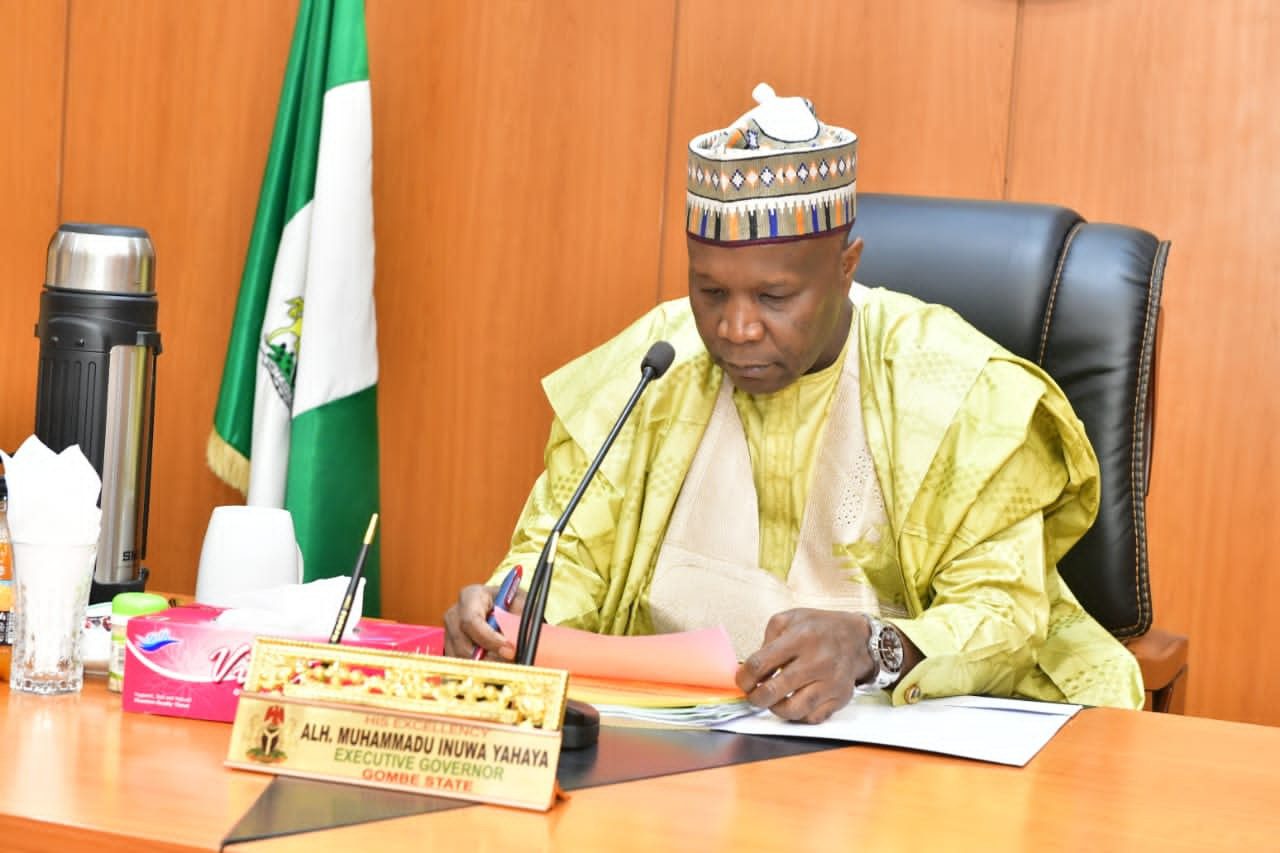
In a powerful effort to tackle the nation’s high number of out-of-school children, the Gombe State Universal Basic Education Board (SUBEB) has launched a campaign aimed at returning 787,619 children to the classroom. The initiative, announced during a stakeholders’ engagement on Monday, is a call for a unified front to address what the state’s leadership calls a crisis in education.
In a speech to stakeholders, the Chairman of Gombe SUBEB, Babaji Babadidi, explained that the campaign’s primary goal is to sensitize the public and foster collaboration to create an environment that encourages children to return to school. According to data from UNICEF and the World Bank, Nigeria has an estimated 13.5 million children out of school, with Gombe State alone accounting for a staggering 787,619. “The current situation calls for active collaboration among stakeholders to act with urgency,” Babadidi said.
The state has set an ambitious goal to reduce this number by 50% by the year 2030. As part of this push, each of the state’s 11 Local Government Areas (LGAs) has been given a target to enroll at least 10,000 pupils for the 2025/2026 academic year. This initial target aims to bring a total of 110,000 pupils into the education system.
Education as a Priority
The State Commissioner of Education, Dr. Aishatu Umar Maigari, highlighted the state’s commitment to addressing the issue by revealing that the figures of out-of-school children have been meticulously harmonized by age, gender, and disability status. She noted that Gombe has a comprehensive Framework of Action for out-of-school children, developed with the support of UNICEF. The state also has a separate framework specifically focused on the education of Almajiri children.
Maigari also announced a major boost to the initial enrollment target. Instead of 10,000 pupils per LGA, the new goal has been raised to 20,000, which would bring the state’s total enrollment for the academic year to an impressive 220,000 pupils. To accommodate this surge, the Commissioner confirmed that facilities are already in place, with each of the 11 LGAs having one model Tsangaya school and three bilingual schools, each with a capacity for 1,000 students.