





















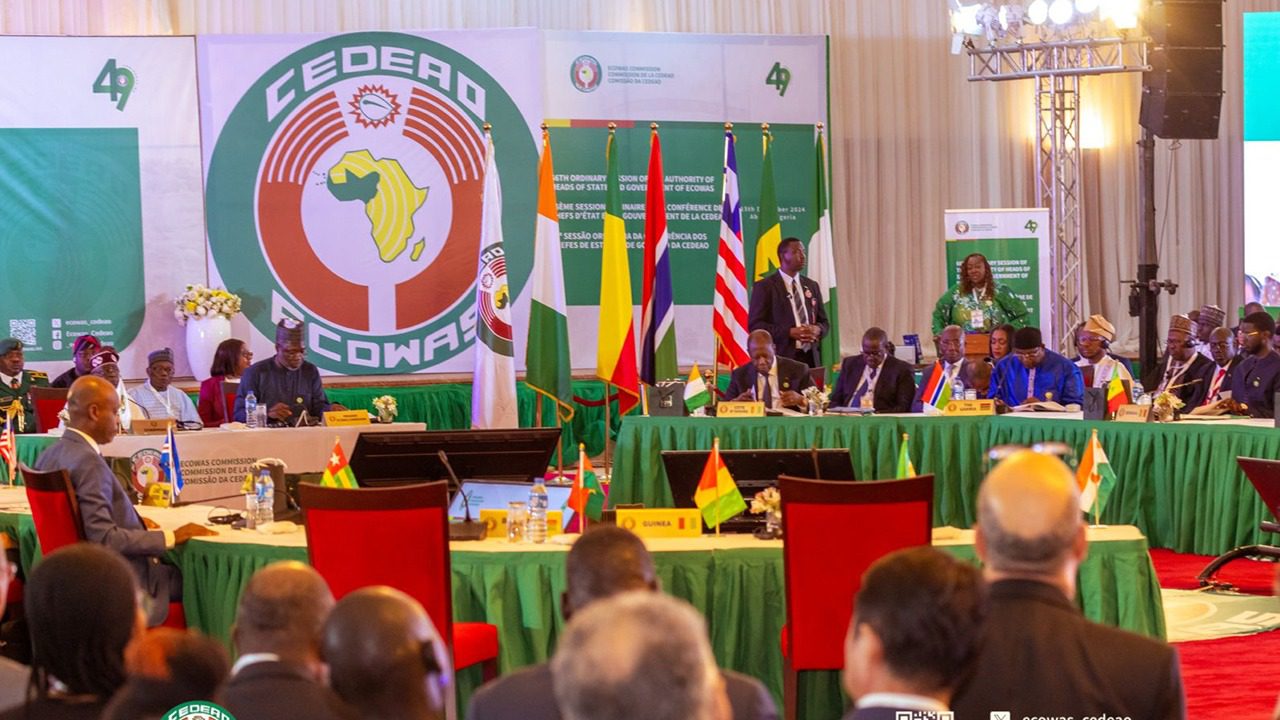
West Africa is sitting on a goldmine of clean energy resources, yet millions of its rural residents are still left in the dark. This stark reality took center stage in Dakar, Senegal, where regional lawmakers gathered for a five-day joint committee meeting to confront the sub-region’s deep-seated energy challenges. The core message from the gathering was clear: West African nations must urgently shift their focus toward renewable energy to lift rural communities out of poverty and spark true economic transformation.
The conversation went far beyond the technicalities of keeping the lights on. Speaking on behalf of the ECOWAS Parliament, the leadership emphasized that clean energy should be viewed as a fundamental right and a powerful engine for social peace. Instead of treating rural electrification as a minor infrastructure project, regional leaders are calling for it to be used as a deliberate tool to empower the people who drive the local economy—specifically farmers, young entrepreneurs, and women.
The gap between West Africa’s vast natural potential and its actual energy consumption remains alarming. While the region boasts some of the best solar potential in the world, only about 12 percent of rural households currently have access to electricity. In the most remote areas of certain member states, that number plummets to under 10 percent. Lawmakers pointed out that this energy deficit does not just cause literal darkness; it directly paralyzes local healthcare systems, stifles classroom learning, limits agricultural yields, and cuts off income-generating opportunities for entire communities.
To bridge this gap, the parliamentary committee is pushing for a complete overhaul of how energy projects are handled across the sub-region. Lawmakers are urging member states to back their promises with action by introducing innovative financing models, encouraging local manufacturing of energy components, and ensuring technologies are easily shared across borders.
The sentiment on the ground in Dakar leaned heavily toward a push for regional independence. Representatives argued that West Africa cannot effectively fight unemployment, food insecurity, or general underdevelopment without first achieving energy sovereignty. The meeting wrapped up with a strong reminder to member countries that regional policies, such as the ECOWAS Renewable Energy Policy, cannot just exist on paper. Parliamentarians pledged to tighten legislative oversight back home, ensuring these regional blueprints are quickly written into national laws and felt by citizens on the ground.