

























The Edo State Government has credited the rapid and simultaneous rollout of major infrastructure projects across the state to the disciplined financial management and strategic planning of Governor Monday Okpebholo’s administration.
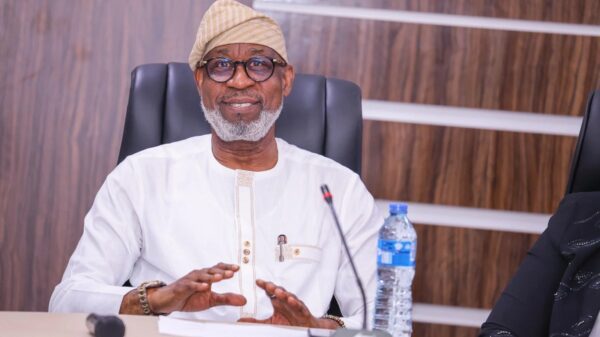
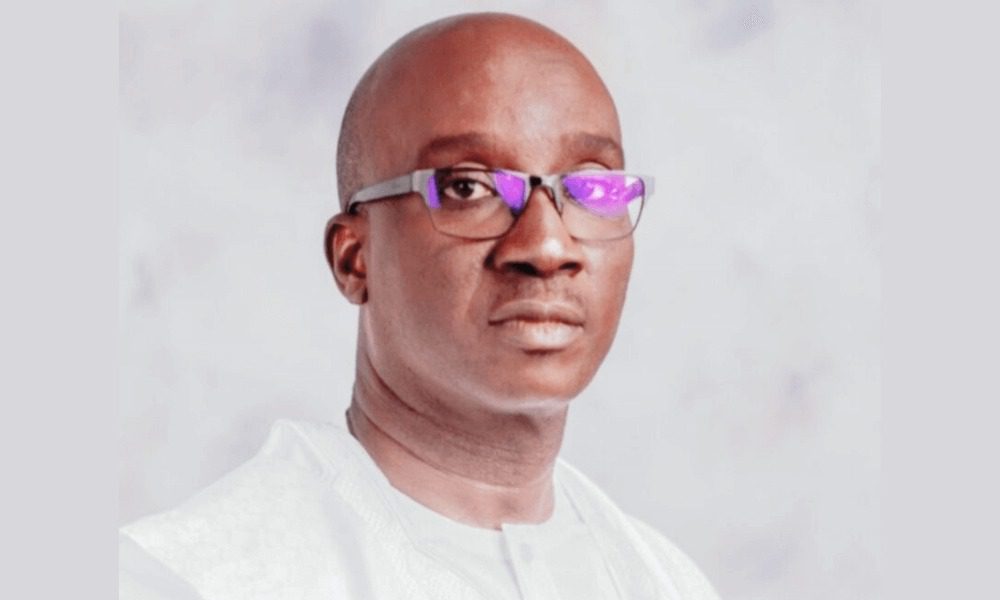
During a session with journalists on Sunday, the Commissioner for Finance, Emmanuel Okoebor, shed light on how the state is successfully financing multiple high-impact projects. Responding to inquiries monitored by Reports, Okoebor emphasized that the current pace of development is a result of calculated coordination and a strict adherence to fiscal priorities rather than mere coincidence. He noted that while the sheer volume of work might seem extraordinary to observers, it is actually the outcome of a deliberate effort to maximize every available resource.
The Commissioner pointed out that the administration’s aggressive approach was born out of necessity. Upon taking office, Governor Okpebholo inherited a significant infrastructure deficit, with many communities suffering from years of neglect, crumbling roads, and struggling healthcare facilities. To fix this, the government adopted a guiding philosophy centered on ensuring that Edo’s wealth remains within the state to build lasting value for its people, effectively putting an end to the capital flight seen in previous years.
A major pillar of this transformation is the focus on opening up rural and urban communities. By prioritizing the rehabilitation of roads and drainage systems that link farms, markets, and schools, the government is actively removing bottlenecks that have long hindered economic growth. This effort extends to critical interventions on federal roads frequently used by residents, as well as the construction of flyovers designed to eliminate the persistent traffic gridlock in urban centers.
The administration’s reach also extends into the social sectors. In education, significant investments are being channeled into basic and vocational infrastructure to create better learning environments. Similarly, the healthcare sector is seeing a massive upgrade of primary health centers and increased support for medical training institutions to ensure a sustainable and capable workforce for the future.
Okoebor explained that these advancements across various sectors are made possible through phased implementation and rigorous cost controls. By managing cash flow carefully, the state can push multiple projects forward without overstretching public finances. He also highlighted the use of concrete pavement technology for new roads—a choice that, while requiring more initial planning, ensures much greater durability and lower maintenance costs in the long run.
Ultimately, the goal of the Okpebholo administration is to ensure that every kobo spent translates into functional and sustainable development. Whether it is reducing travel time for commuters or providing better care in hospitals, the focus remains on delivering tangible results that improve the daily lives of every Edo citizen.