






























Nigeria’s infrastructure landscape has long been plagued by budget overruns, delayed timelines, and wasteful spending, but industry experts are pushing for a decisive shift in how projects are managed from conception to completion.
Speaking at the 2026 National Technical Conference of the Institute of Appraisers and Cost Engineers held in Abuja, key stakeholders emphasized that adopting rigorous cost engineering, precise valuation, and sound economic principles is no longer optional for the country’s development. The gathering focused heavily on how emerging economies can maximize limited resources while tackling an ever-growing demand for sustainable public and private infrastructure.
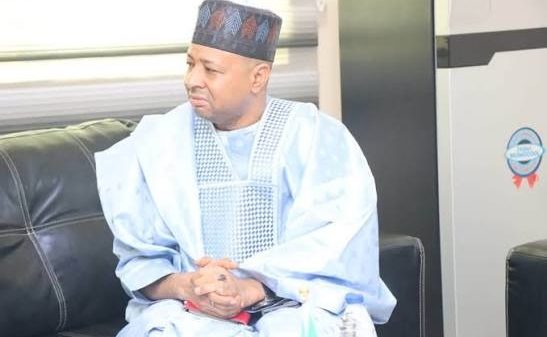
Addressing delegates at the event, the leadership of the Nigerian Society of Engineers noted that nations globally are feeling the strain of balancing tight budgets with urgent development needs. In Nigeria’s specific context, integrating disciplined financial evaluation into technical planning remains the most reliable path to ensuring every naira invested yields real, long-term value for the public.
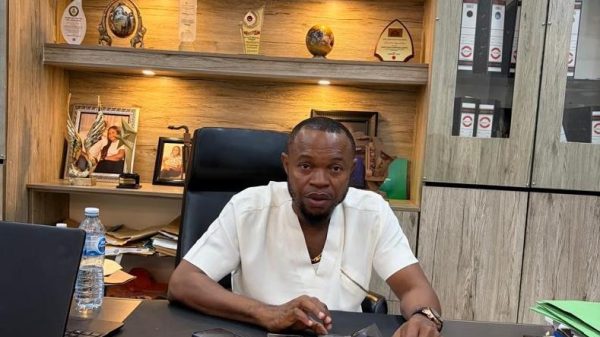
Echoing these views, representatives from the Institute highlighted how technical valuation and cost management work together as a crucial shield against financial leakage. By embedding strict financial controls directly into engineering workflows, project managers can maintain far tighter command over budgets, eliminate unnecessary waste, and consistently deliver critical projects on schedule. Reports underscore that taking these economic strategies seriously will be vital for accelerating Nigeria’s broader development goals in the years ahead.