




































For years, Kaduna was synonymous with fear. Traders avoided its markets, travelers steered clear of its roads, and communities in Birnin Gwari, Giwa, Kajuru, and Kauru lived under the shadow of abductions, killings, and constant unrest. Previous security strategies relied heavily on force, including military raids, aerial strikes, and curfews, but these measures only offered temporary relief. They failed to address the root causes of violence and in many cases deepened the divide between the state and its citizens.
The human toll was devastating. Hundreds of civilians were killed or displaced, thousands of children were denied schooling, and local economies collapsed. Between 2015 and 2023, Kaduna recorded 1,660 security incidents resulting in 4,876 deaths. In 2021 alone, over a thousand people lost their lives, more than three thousand were kidnapped, and nearly nine hundred sustained injuries. The first quarter of 2022 saw 360 people killed and 1,399 abducted, a stark reminder of the persistent danger. In hard-hit areas like Birnin Gwari and Giwa, fatalities ranged from 400 to 800 over eight years. These were not just numbers but real tragedies that tested the resilience of Kaduna’s people.
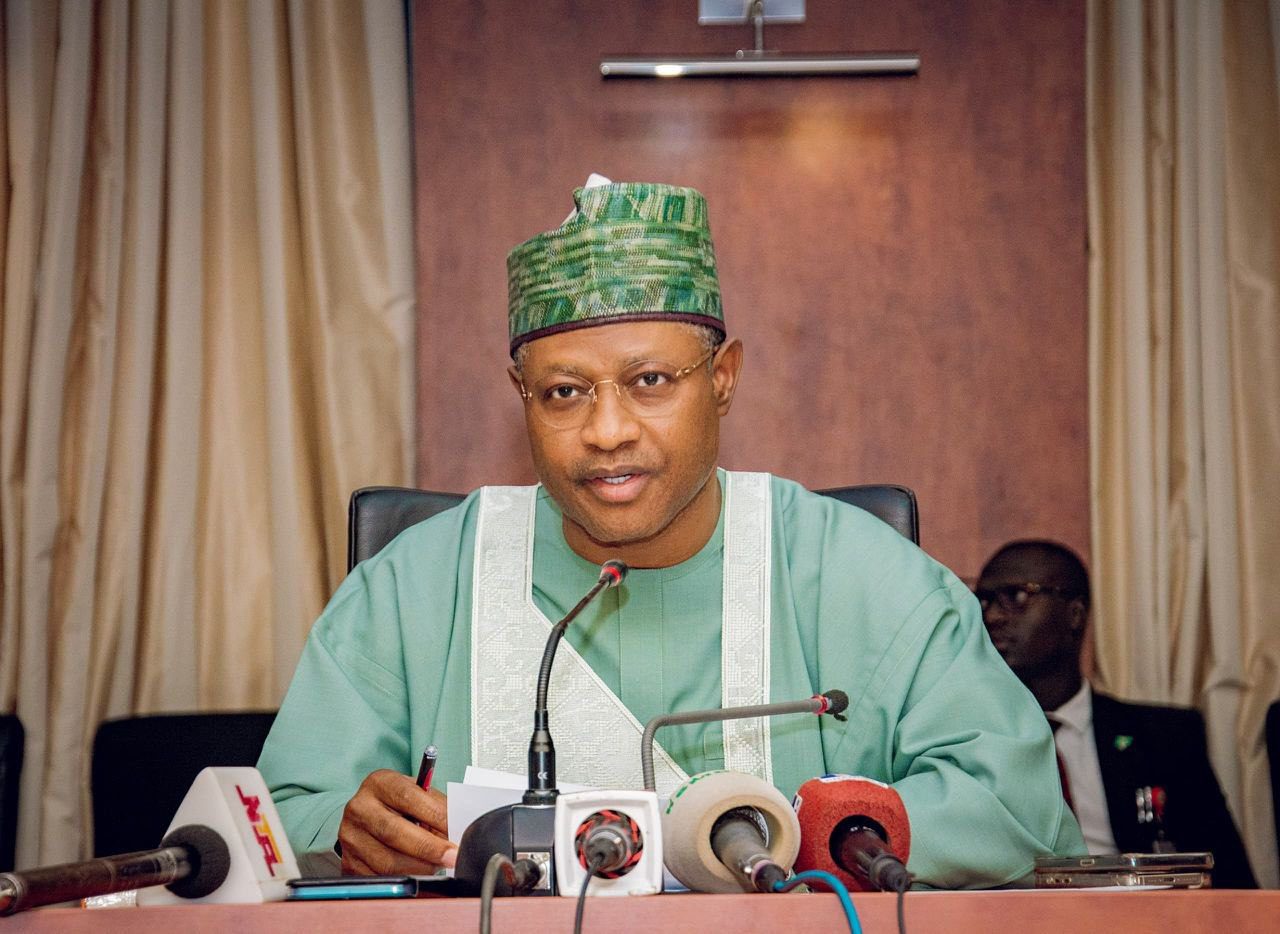
When Governor Uba Sani took office, he refused to accept that violence would define the state’s future. Guided by the belief that peace cannot be imposed through force, he launched what is now known as the Kaduna Peace Model, a bold non-kinetic strategy built on trust, dialogue, and community engagement.
The model’s success stems from a close collaboration between the Kaduna State Government and the Office of the National Security Adviser. Together, they formed a joint technical committee comprising social scientists, local leaders, and administrators. Instead of weapons, this team brought empathy, data, and a willingness to listen. Their efforts quickly produced tangible results. The first engagement led to the peaceful release of 58 hostages, followed by over 80 more in the subsequent weeks. Today, more than 500 captives have been freed without a single casualty, marking a historic milestone in Kaduna’s quest for peace.
Dialogue proved to be the turning point. During negotiations with armed groups, the government recognized that the demands presented, including reopening local markets, access to schools, and medical facilities, were not mere bargaining tactics but essential needs for survival. Governor Sani acted swiftly, reopening markets and restoring daily life in affected communities. The change was immediate. Once-empty streets in Giwa and Birnin Gwari now bustle with activity, and travelers can move safely where fear once ruled.
Religious leaders also played a critical role, engaging directly with notorious bandit commanders. These discussions facilitated the release of hostages and allowed farmers to return to previously inaccessible fields. By combining local knowledge with state-level coordination, Kaduna created conditions where peace could take root.
Perhaps the most remarkable outcome is the transformation of former bandits into agents of peace. In Birnin Gwari, ex-combatants now patrol the forests they once controlled, preventing new threats. In Southern Kaduna, a former militant has become a mediator and advocate for non-violence. This shift illustrates the power of engagement over elimination, proving that even those who once brought fear can help sustain security.
The Kaduna Peace Model is not static. It continues to evolve. Committees regularly meet with bandit leaders, traditional rulers, and local administrators to consolidate gains and prevent setbacks. This continuity distinguishes it from earlier, short-lived attempts at peace.
The benefits extend beyond security. Farming and cattle trading have resumed, reviving livelihoods that had been dormant for years. Commerce has returned to towns once paralyzed by violence, a tangible testament to the dividends of sustained peace. Every reopened market and every child back in school signals that dialogue can defeat despair.
Kaduna’s approach also offers lessons for the broader continent. Across Africa, purely military solutions have repeatedly fallen short. From post-conflict reconciliation in Rwanda to amnesty programs in the Niger Delta, the evidence is clear. Lasting peace requires inclusion, empathy, and justice. By localizing these principles, Governor Sani and his team demonstrate that trust and consistent engagement can reclaim even the most volatile areas.
Three principles guide the Kaduna Peace Model. Shared ownership ensures that communities, security agents, and leaders collaborate at every stage. Socioeconomic inclusion, through the revival of markets, schools, and clinics, reduces the conditions that fuel conflict. Consistent dialogue maintains trust and ensures that progress is not lost between interventions.
Even with occasional threats, Kaduna’s foundations for peace are stronger than ever. Governor Sani emphasizes commitment over declaration. Every day of sustained peace brings the state closer to permanent stability. The once-desolate roads and valleys now echo with the sounds of children playing and commerce thriving, a vivid reminder that hope has returned.
The Kaduna Peace Model proves that security without humanity is not true security. By engaging communities, listening to grievances, and nurturing trust, Kaduna has shown that the path to lasting peace lies not in force but in hearts willing to forgive and leaders willing to act. Today, the guns are quieter, the markets are open, and the people of Kaduna can finally breathe freely again.