




































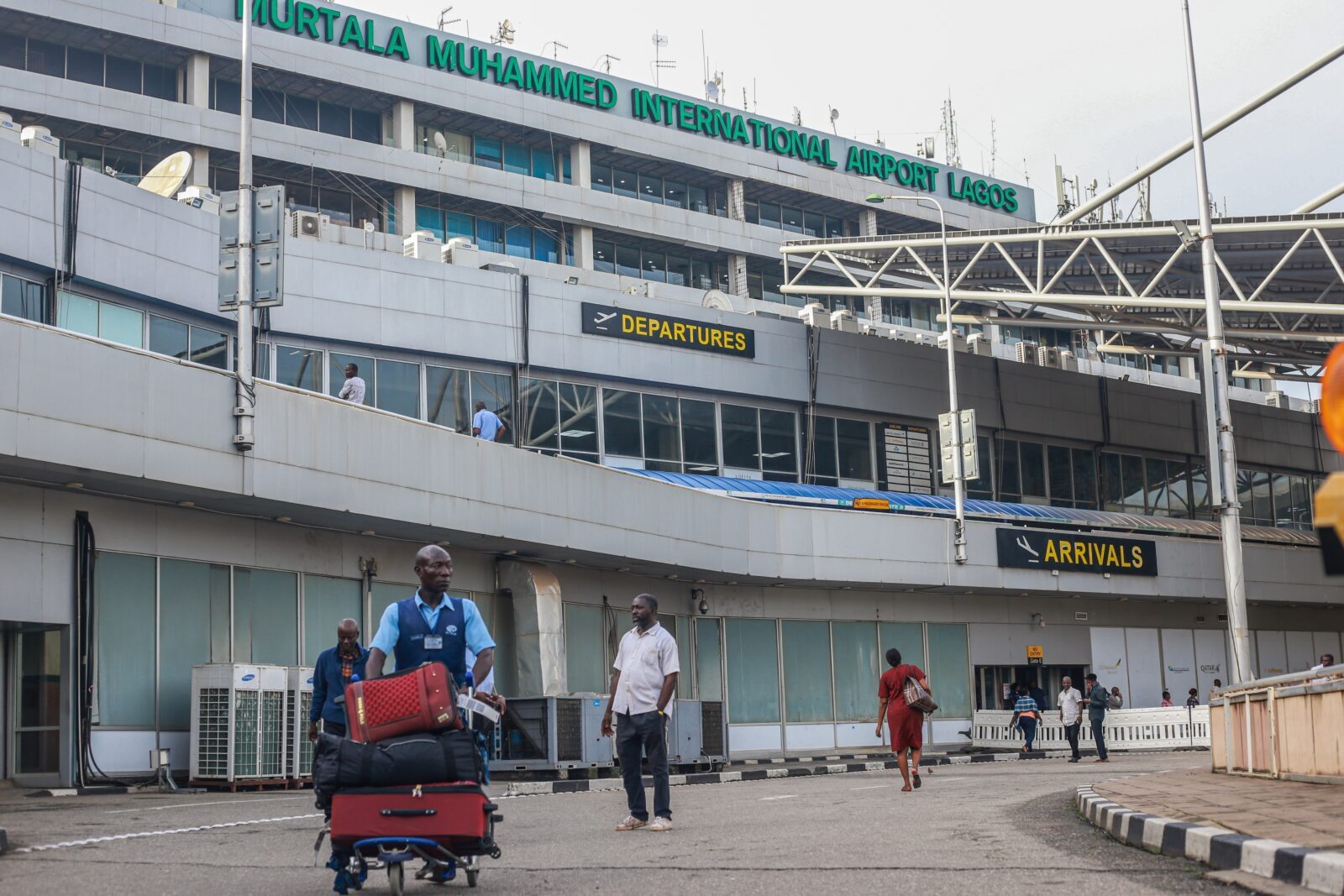
Operations at Federal Airports Authority of Nigeria have gradually returned to normal after a fire incident disrupted activities at Murtala Muhammed International Airport Terminal One in Lagos. Airport authorities confirmed that flights and passenger movement have since resumed after emergency teams worked through the situation to bring it under control.
The Managing Director of FAAN, Mrs. Olubunmi Kuku, told journalists on Monday that the situation was handled quickly to prevent further damage. She confirmed that no lives were lost during the incident, though six people sustained minor injuries and received immediate medical attention. According to her, the airport’s emergency response protocols were activated as soon as the fire was noticed. Firefighters, security personnel, and other emergency agencies worked together to safely evacuate passengers and staff from affected areas.
The disruption affected three international flights, including services operated by Emirates Airlines, British Airways, and Lufthansa. These flights were diverted to alternative routes while authorities worked on restoring order. Kuku explained that operations were only temporarily affected and that normal flight activities would resume shortly after safety checks were completed.
She also explained that investigations are ongoing to determine the exact cause of the fire. Preliminary reports suggest the fire may have started on the ground floor of the terminal building before spreading upward toward the roof. However, officials are still waiting for final confirmation before making detailed public statements. Structural engineers, safety experts, and security agencies have been deployed to assess the building’s integrity before full operations are restored.
In the meantime, airport management has shifted most passenger services to Murtala Muhammed International Airport Terminal 2, which is being used as a temporary operational base. Authorities said four airlines are expected to relocate their services there in the coming days. Firefighters have also remained on ground as a precautionary measure to ensure that any remaining smoke or safety risks are properly managed while normal activities continue to return gradually.