









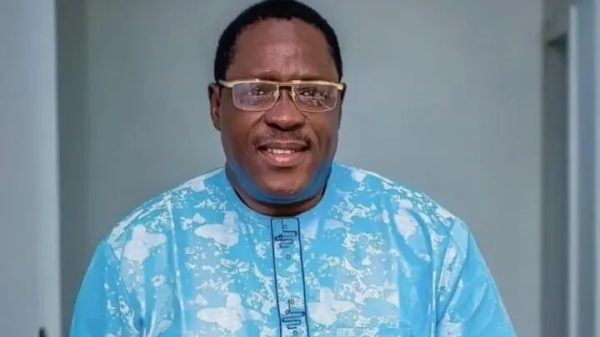












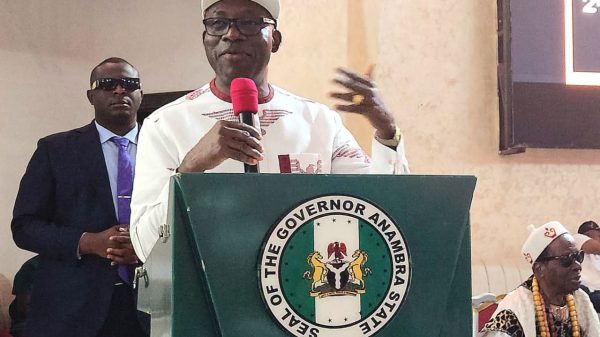






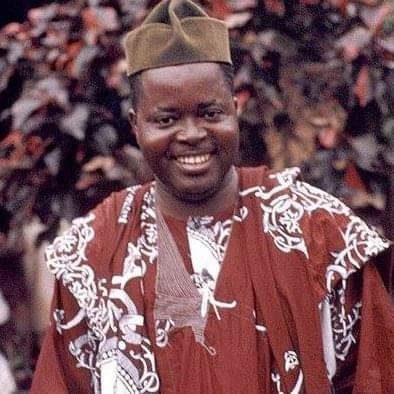
In a move that has sent ripples through the political landscape of Abia State, Chief Uzodinma Okpara, the son of the legendary former Premier of the defunct Eastern Region, Dr. Michael Okpara, has officially thrown his weight behind Governor Alex Otti. This high-profile endorsement, which took place during a briefing at his country home in Umuegwu Ohuhu, marks a significant shift as Okpara is a prominent figure and former State Chairman of the Peoples Democratic Party (PDP).
Okpara did not just offer a courtesy nod to the current administration; he went a step further by declaring his full support for Governor Otti’s re-election in 2027. Okpara’s decision is rooted in what he describes as Otti’s commitment to a leadership style that mirrors the late Michael Okpara’s golden era one that puts public service, economic growth, and food security at the very top of the agenda.
Reflecting on the changes across the state, Okpara noted that the Governor’s efforts to rebuild infrastructure are not just visible but deeply felt by the people. He pointed to the tangible improvements in healthcare, education, and human capital development as proof that Abia is finally on a path to sustainable prosperity. For Okpara, seeing businesses thrive and families enjoying a better quality of life made the decision to step out and mobilize support for Otti an easy one.
The endorsement has been welcomed with enthusiasm by other key stakeholders in the region. Chief Obi Aguocha, the lawmaker representing the Ikwuano/Umuahia North and South Federal Constituency, described the move as a major moral boost. He lauded the Governor’s vision, suggesting that Otti’s arrival on the scene was a much-needed intervention for a state that had long yearned for a clear direction.
This growing coalition of support from the Ohuhu community also includes influential voices like the Chairman of Umuahia North LGA, Mr. Smart Ihuoma, and traditional leaders such as Eze Philip Ajomiwe. Their collective stance suggests that the momentum behind the current administration is transcending traditional party lines, focusing instead on the visible progress being made on the ground. As the 2027 conversation begins to take shape, this alliance between the legacy of the past and the leadership of the present is likely to be a defining factor in the state’s future.