




























Cyclone Gezani tore through Madagascar’s eastern coast this week, leaving at least 38 people dead and thousands forced from their homes. The storm made landfall on Tuesday in Toamasina, the nation’s second-largest city, bringing winds of up to 250 kilometres per hour and leaving widespread destruction in its wake.
The National Office for Risk and Disaster Management reported six people remain missing, while over 370 others sustained injuries. More than 12,000 residents have been displaced as the city and surrounding areas struggle to cope with the damage.
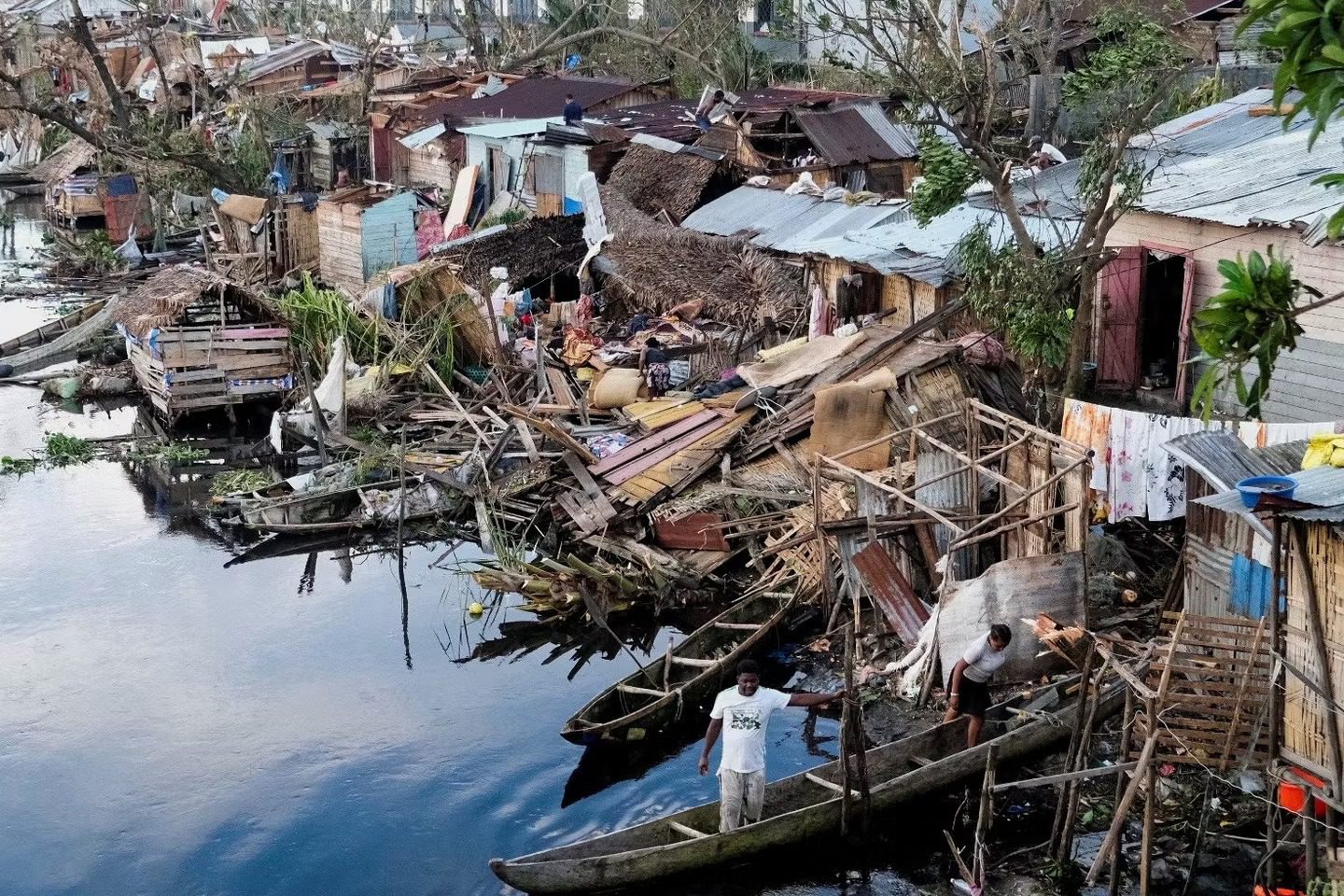
Colonel Michael Randrianirina, Madagascar’s new leader, called for “international solidarity” to help the city recover after the cyclone destroyed up to 75 percent of Toamasina and its surroundings. Images show the streets littered with uprooted trees, scattered debris, and buildings stripped of roofs, while residents work tirelessly to salvage what remains of their homes.
Over 18,000 houses were destroyed, and more than 50,000 others suffered damage or flooding, according to the national disaster authority. The Atsinanana region surrounding Toamasina also bore the brunt of the storm, with recovery efforts ongoing.
Cyclone experts on Reunion Island noted that Toamasina was hit by the most intense part of the storm, marking one of the strongest cyclones recorded in the region since satellite monitoring began. The scale of the devastation is being compared to Cyclone Geralda in 1994, which claimed over 200 lives and affected half a million people.
After weakening post-landfall, Gezani continued across the island as a tropical storm before regaining strength over the Mozambique Channel. Forecasters warn it could hit southern Mozambique from Friday evening, an area already struggling with severe flooding earlier this year.