


























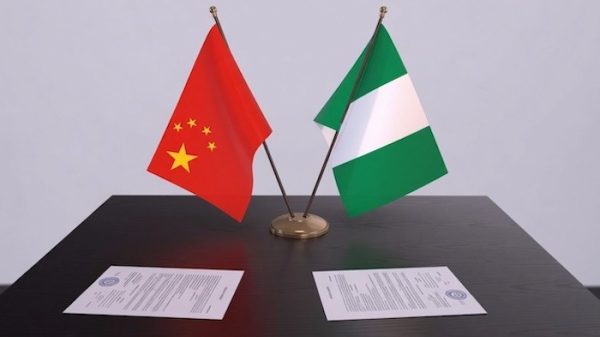


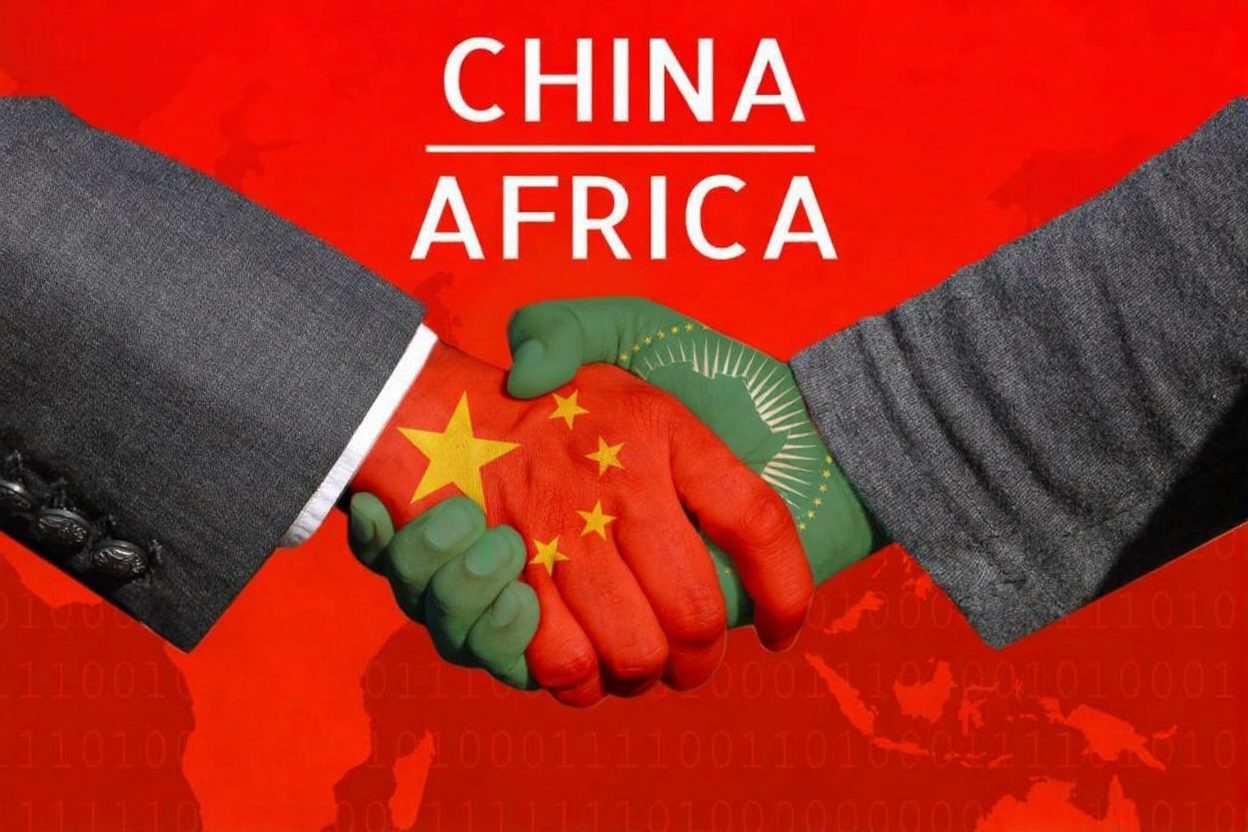
For 36 years, a consistent tradition has defined China’s global diplomacy: the foreign minister’s first overseas trip of every new year is to Africa. This practice, far from being a hollow ritual or a simple “safari,” has cemented one of the most productive partnerships in modern international relations. It is a tradition rooted in a shared history of anti-colonial struggle and a deep-seated solidarity that dates back to Premier Zhou Enlai’s marathon 55-day visit to ten African nations in 1964 the longest visit by any foreign leader to the region in its post-colonial history.
This history is vital to understanding that the China-Africa partnership is not merely transactional. It is built on principles like “self-reliance,” which was first introduced in Ghana to ensure that aid helps recipient countries grow independently rather than becoming dependent on Beijing. Today, this spirit continues through the Belt and Road Initiative (BRI). As noted by Reports, Africa currently hosts the largest number of BRI partner countries, resulting in transformative projects like Nigeria’s Lekki Deep Sea Port, the Mombasa-Nairobi railway, and the electrified line connecting Ethiopia to Djibouti. These projects are finally bridging the infrastructure gaps that once hindered African integration.
Marking the 70th anniversary of diplomatic ties between China and Africa, Foreign Minister Wang Yi’s recent tour through Ethiopia, Tanzania, and Lesotho carries even greater weight. In a significant move, 2026 has been officially designated as the “China-Africa Year of People-to-People Exchanges.” This shift aims to move the partnership beyond government boardrooms and into the lives of everyday citizens. By focusing on youth dialogues, vocational training through “Luban Workshops,” and cultural sharing, both regions are looking to build a future where the partnership is owned by the people themselves.
During the launch of this initiative at the African Union headquarters in Addis Ababa, high-ranking officials including AU Commission Chairperson Mahmoud Ali Youssouf and Ethiopian President Taye Atske Selassie emphasized that mutual learning is the backbone of this friendship. President Xi Jinping, in a message to the summit, underscored that people-to-people bonds are the most solid foundation for China-Africa ties, adding momentum to the shared pursuit of modernization.
Furthermore, the “iron-clad” nature of this relationship is evident in the diplomatic sphere. African nations have consistently reaffirmed the “One-China Principle,” rejecting separatist movements and supporting China’s national unification efforts. In exchange, China has extended zero-tariff treatment to almost all African countries, providing a stable export market for a variety of products. This is especially crucial at a time when some Western nations are retreating into protectionism.
As the world faces increasing geopolitical uncertainty, the steady cooperation between China and Africa offers a model of predictability and mutual respect. Rather than being deterred by the “roaring and grandstanding” of global bullies, this partnership seeks to build a broad, inclusive governance architecture. By consolidating the Global South as a stable pole of international law, the 36-year tradition of “Africa first” diplomacy remains a vital anchor for a future defined by shared prosperity and certain cooperation.