





























The Nigerian Naira has started the final trading week of March 2026 on a remarkably firm note against the United States Dollar. Early morning sessions on Monday, March 30, indicate a currency responding positively to high market liquidity and the successful outcomes of recent government debt auctions. This stability suggests a growing confidence in the local unit as the first quarter of the year draws to a close.
Data from the official Nigerian Foreign Exchange Market shows the Naira opening the week with a marginal appreciation. According to checks by Reports, the local currency was trading at an average of ₦1,382.18 per Dollar during the morning session, a slight improvement from the ₦1,384.25 recorded at the close of business last Friday. This steady performance is largely driven by significant market turnover, which reached over $172 million in the previous full session, supported by the central bank’s refined electronic matching systems.
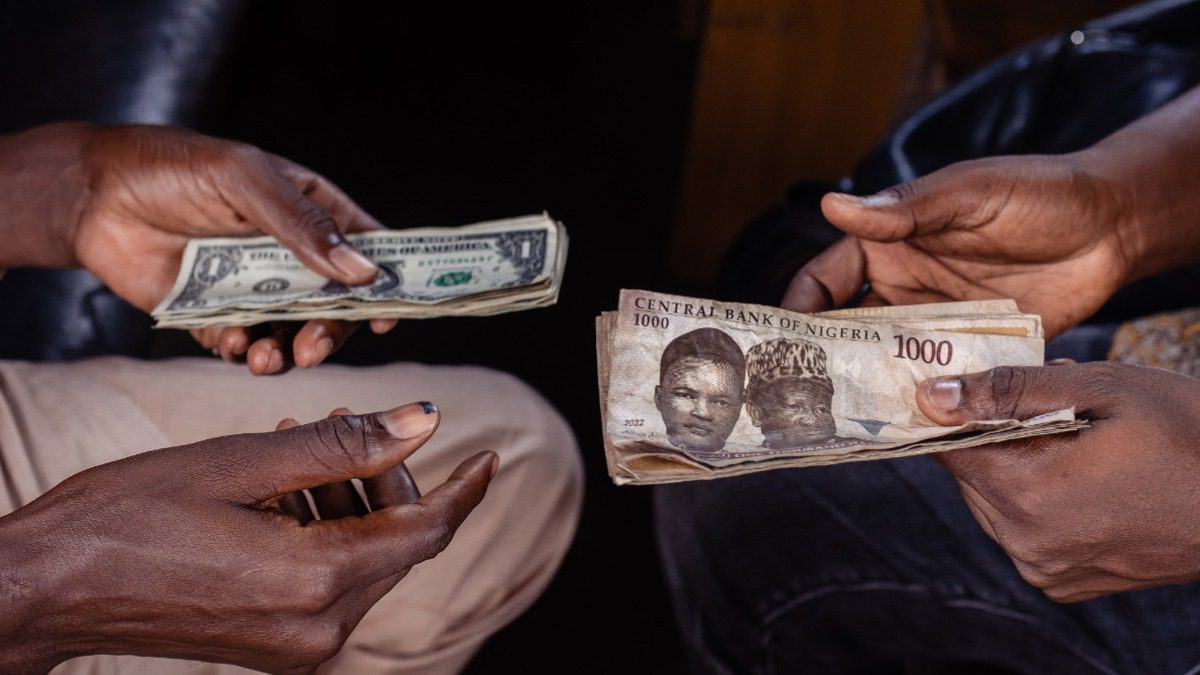
The parallel market is currently reflecting this official stability, showing a rare level of convergence between the two windows. In major commercial hubs such as Lagos, Kano, and Abuja, traders are quoting the Dollar between ₦1,405 and ₦1,420. While a small retail premium still exists, the gap has narrowed significantly to around ₦25 to ₦35. Bureau De Change operators suggest that the consistent supply of foreign exchange for personal needs, such as school fees and travel allowances, has successfully squeezed out the speculative activities that usually trigger volatility.
Several strong macroeconomic factors are providing a solid foundation for the Naira this morning. Nigeria’s external reserves have remained robust, holding steady near the $50 billion mark, which offers a significant buffer against sudden economic shocks. Furthermore, high global crude oil prices, with Bonny Light trading above $103 per barrel, have ensured a reliable stream of foreign currency inflows into the country.
Investor confidence has also been bolstered by a sustained downward trend in inflation, which was recently recorded at 15.06%. When combined with a steady Monetary Policy Rate, these trends make Naira-denominated assets more attractive to both local and foreign players. Market analysts expect the Naira to maintain its current trading corridor between ₦1,375 and ₦1,395 for the remainder of the week, even as corporate demand for quarter-end settlements rises. The current liquidity surplus in the banking system is expected to act as a cushion, preventing any drastic pressure on the exchange rate in the coming days.