




























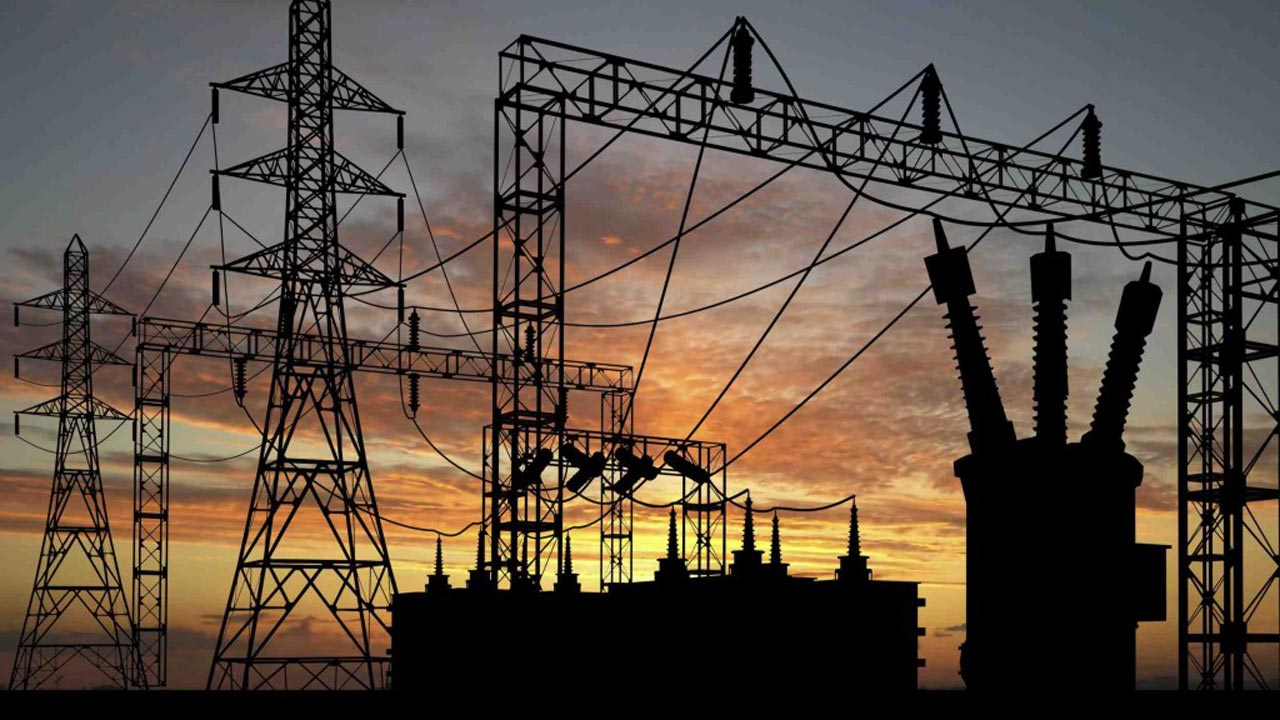
Frustration and anger have boiled over across Nigeria following the first total collapse of the national electricity grid in 2026. The incident, which occurred on Friday afternoon, has once again plunged homes and businesses into darkness, sparking a wave of criticism against the Federal Government for what many describe as a persistent and embarrassing failure.
Data monitored by Reports from the Nigerian Independent System Operator (NISO) confirms that power generation crashed to zero megawatts around 1 p.m. This total system failure affected all 11 electricity distribution companies nationwide, leaving major cities and rural communities from Lagos to Kano without a spark of electricity.
For many Nigerians, this latest blackout is more than just a technical fault; it is a sign of deep-seated systemic neglect. Paul Igbashangev, a concerned citizen, expressed his disappointment, noting that it is heartbreaking for a country of Nigeria’s stature to still be grappling with such basic infrastructure issues. He pointed out that the frequent instability of the grid is crippling small businesses and making life difficult for households that are already struggling.
The sentiment on the streets reflects a growing impatience with the current administration. Some citizens, like Iwuchukwu Ike, lamented that the situation has become almost a routine occurrence. He recalled past suggestions for energy reform that were dismissed, noting that the country is now paying the price for failing to adopt proven solutions. Others, including Ngozi Ikechukwu, questioned how a nation could be facing such a massive failure so early in the year, especially given the promises of reform made by the government.
Beyond the general outcry, some observers are calling for a radical shift in how the country manages energy. Mustapha Audu suggested that the government should explore Compressed Natural Gas (CNG) as a more stable alternative to the fragile national grid. Meanwhile, Adamu Yusuf alleged that the frequent collapses might be driven by more than just technical errors, suggesting that a lack of accountability has turned the energy crisis into a profitable venture for some.
The economic toll of these blackouts is another major point of concern. Adah Joseph highlighted how the loss of power directly hits the country’s GDP. He noted that businesses in the food industry, which rely heavily on refrigeration, are among the hardest hit, along with hospitals and other critical facilities that cannot afford to be without electricity. He urged the government to prioritize the power sector to end what he described as a “national embarrassment.”
To fix the problem permanently, experts and citizens alike are calling for an overhaul of the physical infrastructure. Augustine Oyiwona pointed out that many of Nigeria’s transmission lines and substations are over 50 years old and desperately need replacing. He advocated for a shift toward modern, real-time monitoring systems and encouraged state governments to take full advantage of the laws allowing them to generate and distribute their own power.
For most, the consensus remains that the current situation is a result of total negligence. As the blackout continues to linger, the pressure is mounting on the authorities to move beyond temporary fixes and finally deliver the stable power supply that Nigerians have been waiting for.