









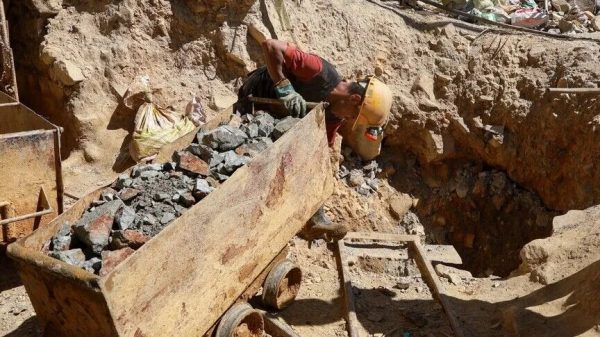


























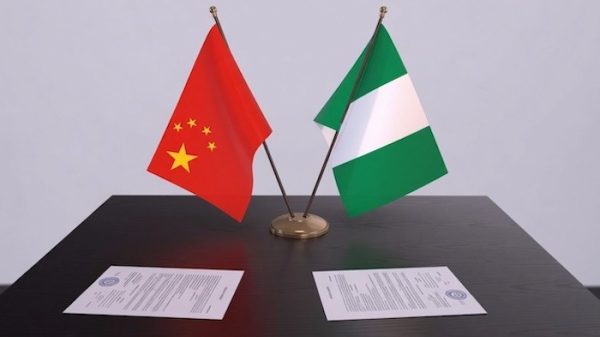


Recent data from the National Bureau of Statistics (NBS) has sparked a serious conversation about the direction of Nigeria’s trade policy. Despite the federal government’s long-standing push to encourage local processing, exports of unprocessed raw materials have skyrocketed. In the first nine months of 2025 alone, these exports hit a staggering N2.9 trillion a massive 147.4 percent jump from the N1.17 trillion recorded during the same period in 2024.
This trend is even more dramatic when viewed over a longer timeline. The 2025 figures are more than five times higher than the total recorded in the first nine months of 2023. We are seeing a high volume of wealth leaving our shores in the form of cocoa beans, raw cashew nuts, sesame seeds, and lead ores. While these exports bring in short-term foreign exchange from partners like India and Spain, they represent a significant missed opportunity for the Nigerian economy.
This surge in raw exports essentially flies in the face of government initiatives designed to foster industrialization and job creation. Current policies, such as the Raw Material Protection plan and the Central Bank’s move to deny incentives for unprocessed goods, were supposed to compel manufacturers to process materials at home. The goal was simple: stop exporting our potential and start building a domestic ecosystem where finished goods, not just raw seeds and stones, are our primary exports.
To address this gap, the Raw Materials Research and Development Council (RMRDC) is championing a new bill that could change the game. The proposed legislation, currently before the National Assembly, would mandate a minimum of 30 percent local value addition on all raw materials before they can be shipped out. Under this framework, any exporter failing to meet this requirement would face a 15 percent levy on the export value or even lose their certification entirely.
The Director General of the RMRDC, Prof. Martin Muonso, and other policymakers argue that this bill is the “turning point” Nigeria needs. The vision is to end the cycle of selling our resources cheaply only to buy them back as expensive finished products. Former and current ministers of Innovation, Science, and Technology have echoed this, with a ten-year roadmap targeting 60 percent value addition by 2034. Even the Chairman of the Nigeria Revenue Service, Zacch Adedeji, warned that relying on raw exports effectively means Nigeria is “importing inflation and unemployment.”
However, not everyone is convinced that a law alone will fix the problem. Industry leaders from the Manufacturers Association of Nigeria (MAN) and the Lagos Chamber of Commerce and Industry (LCCI) have voiced a mix of support and caution. While they agree that exporting raw materials leads to job losses and limits innovation, they point out that you cannot mandate processing where the capacity doesn’t yet exist. Dr. Chinyere Almona of the LCCI noted that while the rise in exports provides a short-term cash flow, it exposes the structural gaps in our industrial development.
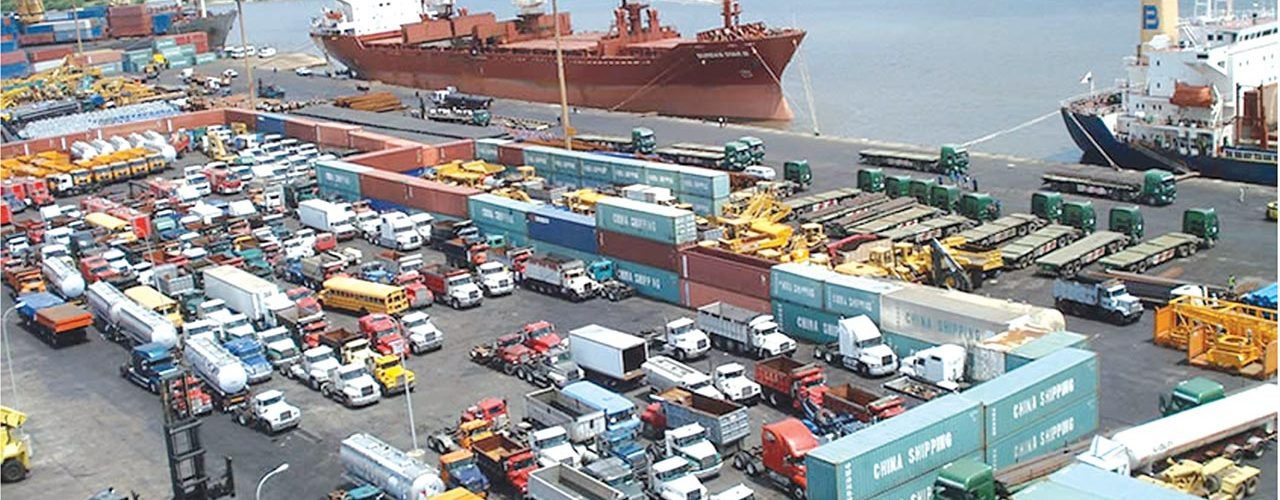
The real challenge, according to experts like Dr. Muda Yusuf of the CPPE, lies in our infrastructure. High operating costs, unstable power, and logistical nightmares at the ports make it incredibly difficult for local firms to process materials competitively. There is a fear that a compulsory 30 percent value-addition rule could stifle small-scale producers who simply don’t have the machinery to process their goods. For the policy to work, the government must provide more than just rules; it needs to offer a package of tax breaks, stable energy, and low-interest financing to make local processing a reality.