

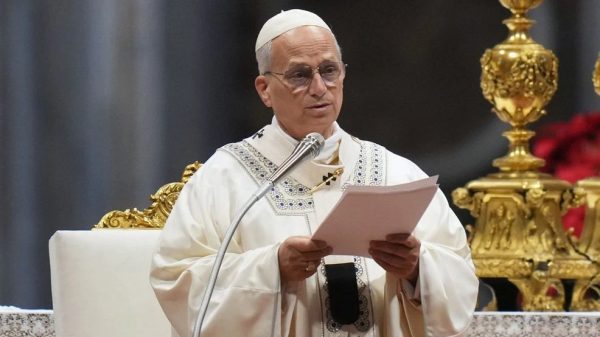























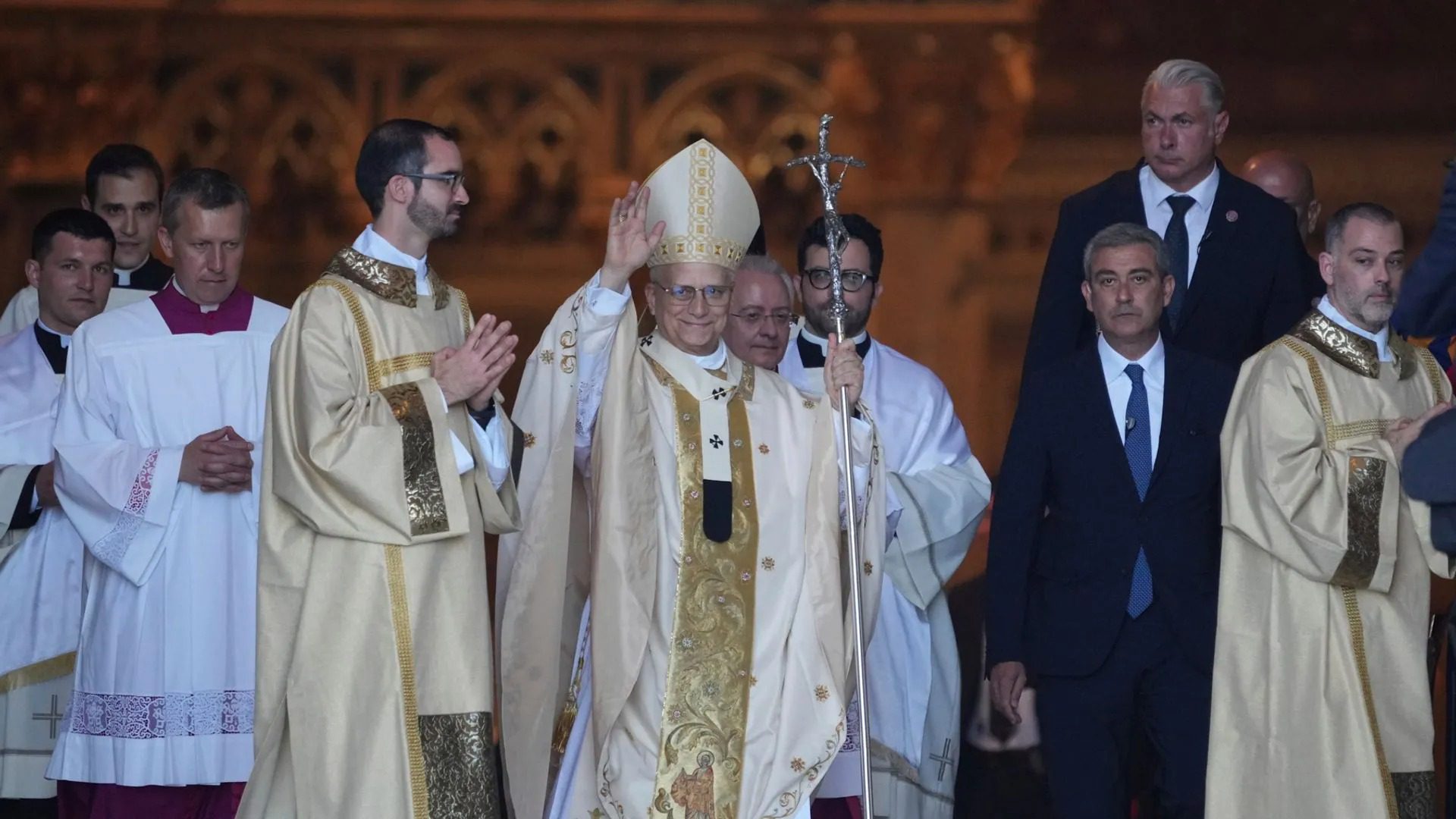
Pope Leo XIV set off on his first official trip abroad on Tuesday, marking the historic occasion with a grand procession through the heart of Rome. The journey, though just a few kilometers from Vatican City to the Quirinale Palace, was nothing short of spectacular. Escorted by the presidential guard cavalry and motorcade, the Pope’s convoy moved gracefully through the city streets, drawing cheers from onlookers who gathered to witness the symbolic moment.
At the Quirinale Palace — a former papal residence turned home to Italy’s president — the Pope was received in a majestic ballroom draped in red and gold. Addressing his hosts, Leo urged Italy to remain steadfast in its compassion and openness toward migrants, describing migration as “one of the great challenges of our time.” He praised the nation for its humanitarian response, acknowledging Italy’s “generous assistance to migrants who continue to seek refuge within its borders” and its ongoing fight against human trafficking.
The Pope emphasized the importance of helping newcomers integrate “constructively into the values and traditions of Italian society,” a message that subtly contrasted with the stance of Prime Minister Giorgia Meloni’s right-wing government, known for its tough measures on illegal migration and efforts to increase repatriations from North Africa.
During his remarks, the 70-year-old pontiff also expressed heartfelt appreciation to Italy for its medical care of Gaza’s children, noting that around 200 young patients have received treatment in Rome’s hospitals since the 2023 war began.
Turning to sensitive moral issues, Pope Leo reaffirmed the Church’s unwavering position on abortion and euthanasia. He underscored the sacred duty to “uphold and protect life in all its stages, from conception to old age, until the natural moment of death.”
The visit also highlighted the enduring diplomatic bond between Italy and Vatican City — two neighbors intricately linked by history and faith. Their relationship is anchored in the 1929 Lateran Agreements, which formally recognized the sovereignty of the Vatican.
The Quirinale Palace itself carries deep historical resonance. Built in the 16th century, it was once a papal residence before becoming the royal seat of King Victor Emmanuel II following Italy’s unification in 1870. On this day, however, its halls once again echoed with the presence of a pope — this time, one stepping beyond the Vatican walls on a mission that blended faith, diplomacy, and symbolism.