




















The trajectory of Nigeria’s economic recovery has become a focal point of national conversation, and to understand why President Bola Tinubu is currently making significant headway, one must first look at the state of the nation he inherited. It is no exaggeration to say that the previous administration left the country on the brink of total collapse.
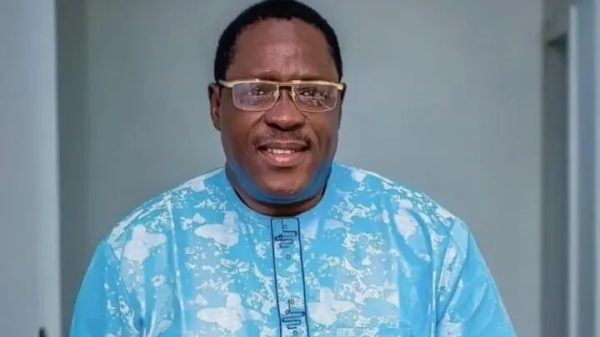
A perspective recently shared on Reports highlights a candid admission from a prominent Northern traditional ruler. The royal father noted that the Northern elite remained largely silent for eight years while opportunities to develop the country were squandered. This silence allowed for a period where the nation’s fabric was stretched to its breaking point, leaving the current administration with a monumental task of reconstruction.
The difference between the current success and the failures of the past lies in the fundamental pillars of leadership: competence and character. While the previous leadership was marketed on the platform of integrity, the reality on the ground told a different story. Crude oil theft flourished, and the government appeared to lack a central command, often overwhelmed by the complexities of managing a modern economy. This lack of oversight led to a situation where appointees operated without accountability, and the “Mr. Clean” image of the leadership was overshadowed by the alleged corruption of subordinates.
In contrast, President Tinubu’s approach is rooted in a deep understanding of global economic principles. He has demonstrated a clear grasp of what international investors require to commit capital to a developing nation. Unlike his predecessor, who leaned toward wealth distribution without a clear strategy for wealth creation, Tinubu operates with a capitalist mindset. He recognizes that in a world dominated by free-market economies, Nigeria must compete as a business-friendly destination.
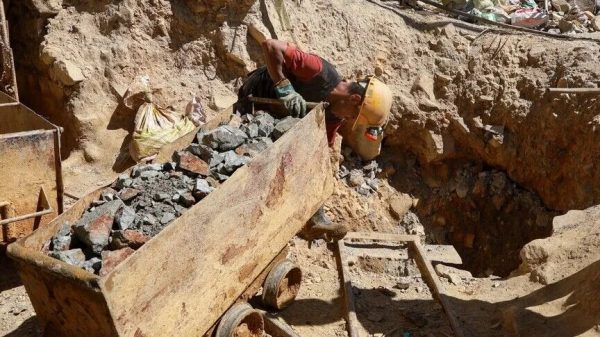
A perfect example of this realism in action is the strategic placement of critical infrastructure based on market logic rather than sentimental or regional pressures. While some groups argue for the placement of refineries based solely on where raw materials are located, the current administration understands that investors prioritize safety, infrastructure, and proximity to customers. Placing a gold refinery in Lagos, for instance, makes more economic sense because the city remains the hub of national wealth and is a safer, more accessible location for international buyers.
The President’s frequent diplomatic missions also reflect this proactive “salesman” approach. In an era where global investment destinations are shifting rapidly, a leader cannot afford to wait at home for prosperity to arrive. These trips are not merely for tourism; they are strategic efforts to secure capital inflows, such as the recently reported $10 billion in potential investment for the oil sector.
Ultimately, the shift we are seeing is one from wishful thinking to hard-nosed economic realism. By focusing on market dynamics, investor confidence, and global engagement, the current administration is finally beginning to turn the tide. It is a transition from a leadership that struggled with the complexities of governance to one that is actively navigating the intricate gears of the global economy to ensure Nigeria’s survival and eventual growth.