





















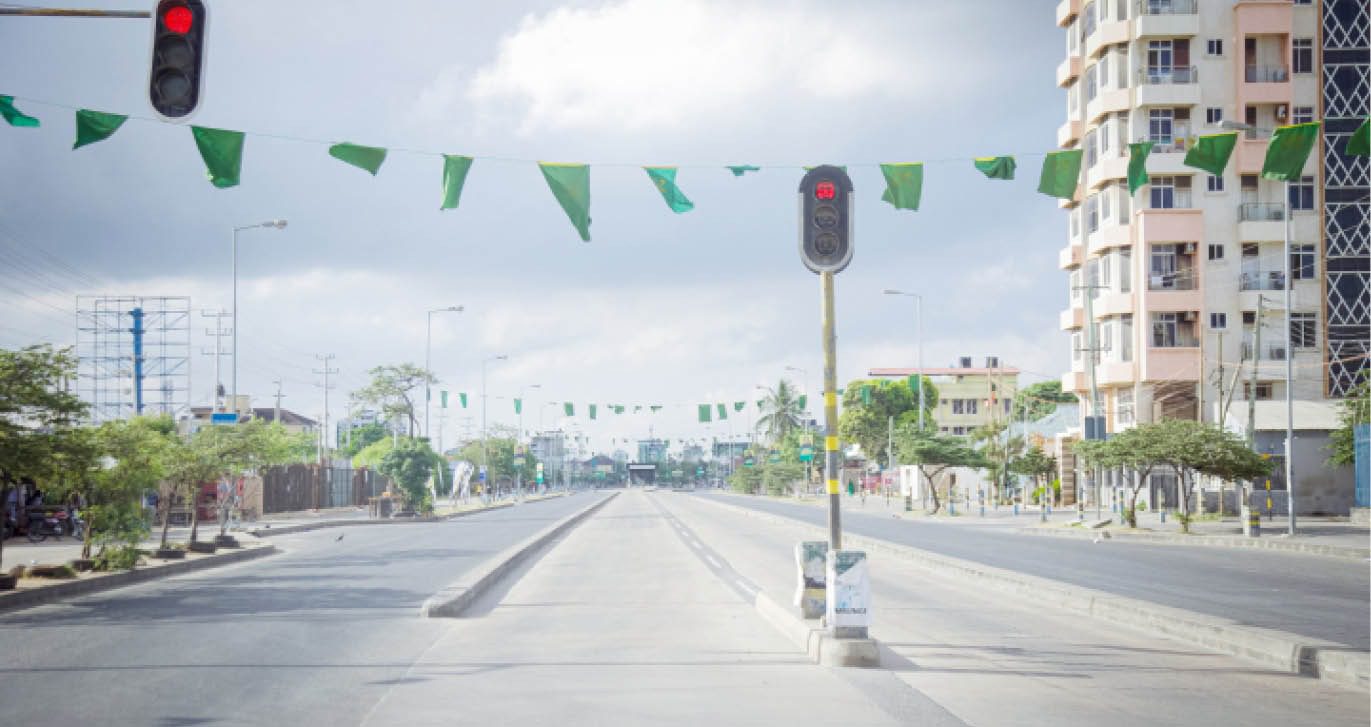
Tanzania’s largest city was eerily quiet on Tuesday, a noticeable silence fueled by a heavy security presence that effectively thwarted planned anti-government demonstrations. The proposed rallies, which had been called to protest the violent crackdown following the controversial October election, never materialized.
Police had issued a ban on the demonstrations just last week. The unrest stems from the October 29th polls, which saw President Samia Suluhu Hassan declared the winner with a staggering 98 per cent of the vote. However, the victory was marred by widespread accusations from the opposition of massive rigging and a campaign of violence against critics, including alleged murders and abductions that had originally ignited nationwide protests and riots.
Opposition groups claim that security forces implemented a “shoot-to-kill” policy during the ensuing protests, resulting in the deaths of over a thousand people in a matter of days. The government has yet to release any official death toll figures.
Justifying the severe response, President Hassan recently defended the use of lethal force against the protesters. Speaking in Dar es Salaam, Tanzania’s economic capital, she argued the measures were necessary to prevent a government overthrow. “The force that was used corresponds to the situation at hand,” Hassan stated. “Were we supposed to simply watch that mob of demonstrators who were prepared to overthrow the government until they succeeded?”
Since the election, authorities have continued to stifle any dissent. Hundreds of people have reportedly been arrested and charged with treason, a crime that carries the death penalty.
A National Day of Silence
The day in question was Tanzania’s Independence Day. Ordinarily a day of national celebration, the government had already cancelled the usual festivities after the date was identified as a target for fresh protests. On Monday, Prime Minister Mwigulu Nchemba publicly urged citizens to simply “use the day for rest” and remain at home.
In the economic heart of the country, Dar es Salaam, the streets were unsettlingly empty. According to reporters on the ground, few people were seen, and virtually no cars were driving. Shops remained closed, and public transportation had ceased operations entirely. The main thoroughfare, Barack Obama Drive, was shut down. The dominant sight was the massive deployment of security forces; one journalist reported being stopped and searched seven times in less than an hour while attempting to walk through the city.
International Alarm Over Dissent
International rights organizations have reported widespread intimidation tactics used in the run-up to the banned rallies, including the rounding up of alleged protest organizers and opposition supporters. Oryem Nyeko, a senior researcher at Human Rights Watch, expressed concern: “The Tanzanian government is building on the alarming climate of fear that prevailed prior to the elections to deter further protests.” Separately, Amnesty International publicly urged the authorities to “respect and protect the rights to freedom of peaceful assembly” in the country.
This latest chapter of political turmoil has triggered global backlash. The United States announced it would be “comprehensively reviewing” its relationship with Tanzania following the election violence, while European Union lawmakers voted in favour of suspending aid.