


























Nigeria’s newly confirmed Service Chiefs have pledged to deliver stronger national security while calling for increased funding and greater support for the Nigeria Police Force to enhance internal security operations.
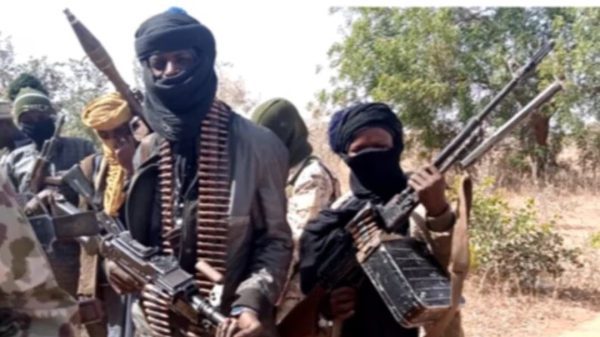
During their Senate screening and confirmation, the Service Chiefs emphasized the need for adequate resources to effectively combat terrorism, banditry, and other forms of criminality across the country. They also reaffirmed the operational readiness of the Air Force’s Super Tucano fighter jets and opposed the creation of a separate Coast Guard, warning it could duplicate existing security functions.
The Chief of Air Staff, Air Vice Marshal Sunday Kelvin Aneke, assured Nigerians that the days ahead would be tough for insurgents and bandits. He vowed that under his command, the Air Force would operate with precision, professionalism, and relentless aggression to protect citizens and secure national territories. “The Nigerian Air Force will be combat-ready and operationally versatile. We will strike hard at those threatening the peace and safety of Nigerians,” he said.
Aneke dismissed speculations that the Super Tucano aircraft were inactive, stressing that they were fully operational. He appealed to lawmakers to collaborate with the executive arm to ensure sustained funding for military operations. According to him, the high cost of air missions requires consistent financial support, as “one missile costs about $100,000.” He warned that without adequate funding, the nation risks becoming “a country of chickens waiting for hawks to strike.”
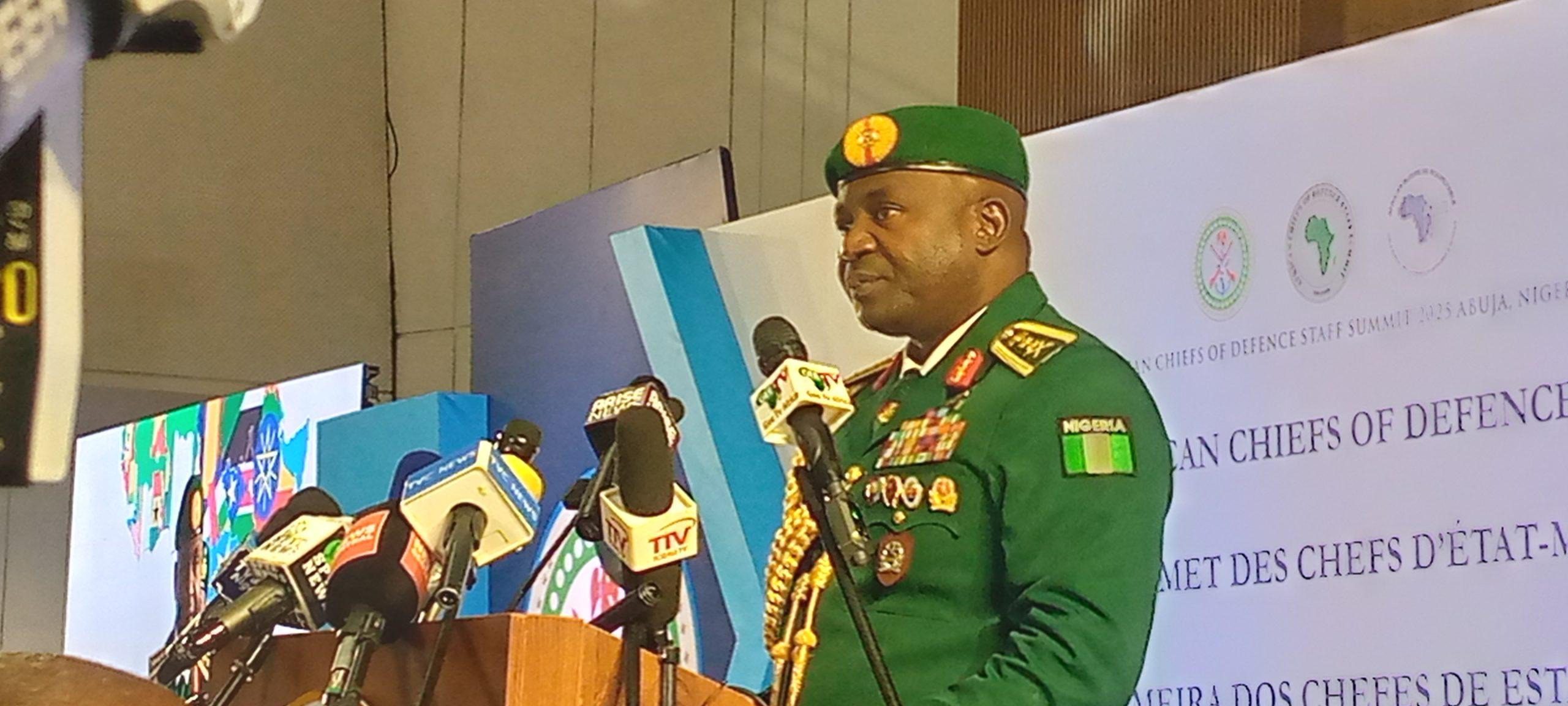
Echoing similar concerns, the Chief of Defence Staff, Lieutenant General Olufemi Oluyede, underscored the urgent need for improved financial allocation to the armed forces. He noted that while the military continues to battle multiple security threats, limited resources have made it challenging to sustain long-term operations. Oluyede also emphasized the need to strengthen the police, pointing out that many responsibilities currently handled by the army fall under police jurisdiction. “Empowering the police will allow them to handle internal security while the military focuses on defending against external aggression,” he said.
He further advocated for the development of a homegrown military-industrial system to reduce dependence on foreign equipment. “Nigeria must start producing its own defense technology if we truly want to secure the country’s future,” he added.
For his part, the Chief of Army Staff, Major General Waidi Shuaibu, pledged to prioritize the welfare and motivation of officers and soldiers, noting that their commitment is essential in winning the fight against insurgency. He assured that the Nigerian Army would never yield any part of the nation’s territory to criminals and would increasingly rely on advanced technology to flush out insurgents and bandits.
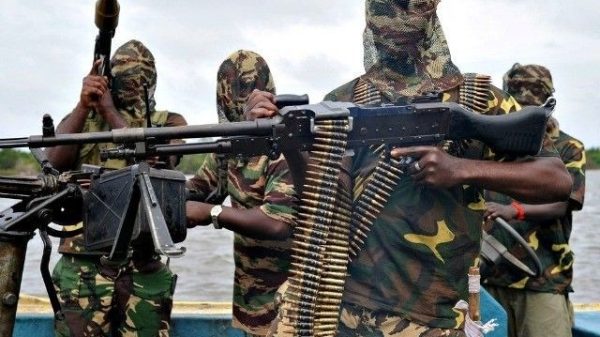
The Chief of Naval Staff, Rear Admiral Idi Abba, also sent a strong warning to maritime criminals, revealing that the Navy plans to deploy drones to strengthen surveillance and coastal defense. He cautioned against the proposal to establish a separate Coast Guard, arguing that it would duplicate existing structures. “Instead of creating another agency, those funds should be channeled into improving the Navy’s capacity,” he said.
The unified message from the nation’s top military commanders was clear — adequate funding, modern technology, and institutional support remain key to ending Nigeria’s security challenges.