

































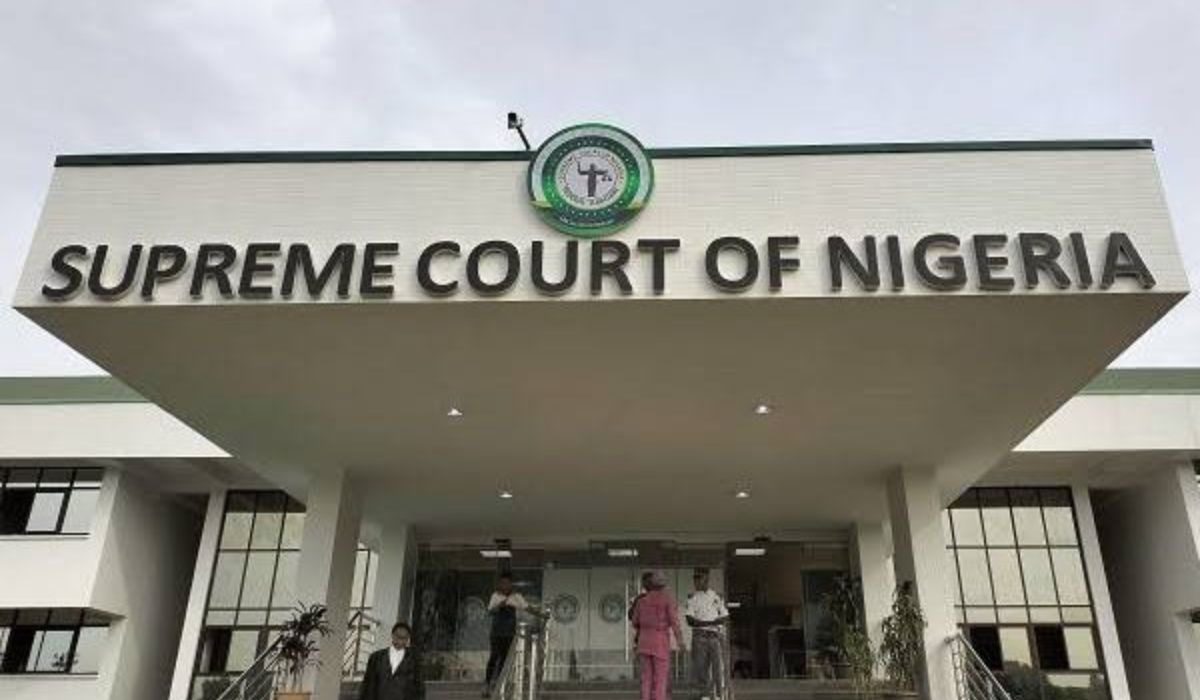
The Supreme Court’s recent decision regarding the President’s power to declare a state of emergency has ignited a fierce debate among legal scholars and political observers. While the apex court affirmed the President’s authority to intervene in times of crisis, the ruling has been described by many as a “mixed bag” that leaves critical questions about the suspension of elected officials largely unanswered.
The case, brought forward by several state governors, was triggered by President Bola Tinubu’s March 18 emergency declaration in Rivers State, which saw the suspension of the deputy governor and lawmakers. In a six-to-one split decision, the court dismissed the suit on jurisdictional grounds but nonetheless offered a detailed interpretation of Section 305 of the Constitution. Justice Mohammed Idris, delivering the majority opinion, clarified that while the President can deploy extraordinary measures to restore order, the Nigerian Constitution does not expressly allow for the removal of a state’s executive or legislative branches. He emphasized that any such move would be a “constitutional aberration,” as the federal and state tiers are meant to be autonomous.
However, the ruling has faced sharp criticism for its lack of finality. Renowned constitutional lawyer Professor Auwalu Yadudu noted that the court missed a vital opportunity to set a clear precedent. By explaining the law in abstract terms without making a definitive ruling on the actual dispute, some argue the court’s wisdom became merely academic. Similarly, former presidential spokesperson Reuben Abati cautioned that judges must speak with clarity to avoid the perception of political cover-ups, urging civil society to demand further clarification.
The dissent from Justice Obande Ogbuinya provided a starkly different perspective. He maintained that the governors had every right to bring the case and argued firmly that emergency powers should never be used as a tool to unseat elected officials, even temporarily. This sentiment was echoed by analysts who, suggesting that the use of federal might in local political disputes—such as the recent situation in Rivers—often looks more like a personal vendetta than a genuine effort to preserve national security.
Historically, Nigeria has seen various approaches to emergency rule. During the Obasanjo era, governors in Plateau and Ekiti were famously removed and replaced by sole administrators. In contrast, the Jonathan administration’s 2013 declaration in the Northeast left elected officials in place, focusing solely on security operations. The Attorney General of the Federation, Lateef Fagbemi, hailed the new judgment as a victory for democracy, arguing it erases doubt about presidential authority. Yet, for many others, the ambiguity of the ruling serves as a reminder of the urgent need to constrain power in a fledgling democracy.
The takeaway from this legal battle is that while the President’s hand is strengthened in times of crisis, the principle of federalism remains a vital shield. The ruling reinforces the idea that democracy shouldn’t be cast aside for political convenience, even if the “bumpy and curvy” nature of the judgment leaves much for future courts to settle.