



























Access to quality healthcare is becoming increasingly challenging for many residents of Taraba State, as public hospitals continue to grapple with shortages of qualified medical personnel and deteriorating infrastructure.
Across several general hospitals in the state, patients and healthcare observers have raised concerns over worsening conditions, warning that the situation may deteriorate further if urgent measures are not taken to address the growing gaps within the health sector.
Investigations indicate that many government owned healthcare facilities are struggling to meet rising patient demands due to inadequate staffing levels and insufficient medical resources. The strain on these institutions has resulted in prolonged waiting periods, delayed treatments and limited access to specialised medical services.
Residents who spoke on the issue described a healthcare system under pressure, with many facilities unable to provide timely and efficient services to those seeking medical attention.
Yerima Ato, a resident of Wukari Local Government Area, alleged that the General Hospital in Wukari lacks enough qualified doctors to effectively cater to patients. According to him, authorities often depend on medical personnel from the Federal Medical Centre in Jalingo to bridge the shortage.
He recalled an experience in which a surgical procedure scheduled for him had to be postponed because the required doctors were not immediately available at the hospital. He explained that patients frequently rely on specialists who commute from the Federal Medical Centre to support services at general hospitals.
Similar concerns were raised by Hajara Thomas, who noted that health facilities in Takum, Ussa, Gassol, Gashaka, Bali and several other local government areas are facing comparable difficulties. She observed that many residents, particularly those in rural communities, depend heavily on general hospitals and primary healthcare centres for their medical needs.
Thomas appealed to the state government to embark on the large scale recruitment of doctors, nurses, laboratory scientists and other healthcare professionals to strengthen service delivery across the state. She stressed that people living outside major urban centres deserve the same standard of healthcare available elsewhere.
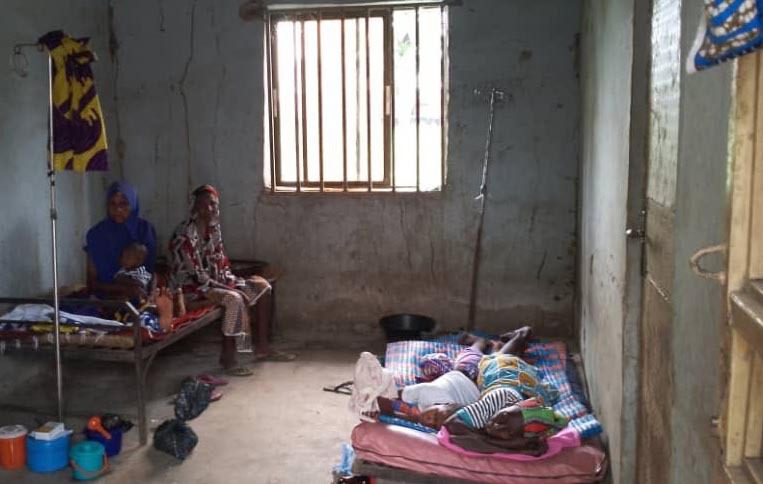
Apart from manpower shortages, poor infrastructure has emerged as another major challenge affecting healthcare delivery in Taraba. A resident of Lau Local Government Area lamented the condition of the only government hospital serving the community, describing the facility as inadequate despite the area’s political prominence.
The resident expressed concern over the deteriorating structures and the shortage of medical personnel, noting that these factors continue to make access to healthcare difficult for many people.
Health expert John Mayo attributed part of the problem to the aging condition of many public hospitals, which he said often operate with outdated equipment and inadequate facilities. According to him, such environments hinder effective healthcare delivery and discourage professionals from accepting postings to certain locations.
He explained that when hospitals lack essential medical equipment and are poorly maintained, healthcare workers find it difficult to perform at their best, ultimately affecting the quality of care patients receive.
Mayo emphasised the need for greater investment in the rehabilitation of healthcare facilities, the provision of modern medical equipment and the improvement of working conditions for healthcare professionals.
Analysts believe that the situation in Taraba mirrors a wider challenge confronting Nigeria’s healthcare sector. They pointed to the migration of medical personnel, retirements, insufficient recruitment efforts and limited funding as factors contributing to the shrinking workforce in public health institutions.
At the same time, increasing population growth and rising demand for healthcare services continue to place additional pressure on already overstretched facilities.
Experts maintain that strengthening primary healthcare centres, enhancing welfare packages for medical workers and investing in modern infrastructure could significantly improve healthcare outcomes across the state.
Residents are therefore calling on the Taraba State Government and other relevant stakeholders to prioritise reforms within the health sector by recruiting more personnel and upgrading healthcare facilities to ensure that citizens have access to efficient and quality medical services.
As concerns continue to mount, the state government is yet to issue an official response to the issues raised by residents and stakeholders regarding the condition of public healthcare facilities in Taraba State.