





























The abduction of Abusafiah Ramzy Ibrahim, a Nigerian-Palestinian leader, from his Abuja home on August 22, 2025, seemed like a mystery that would never be solved. The Nigerian security agency, shrouded in secrecy, was accused of the act, leaving Ramzy’s family and the Palestinian community in Nigeria in a state of uncertainty. The timing of his disappearance was suspicious, given the Tinubu administration’s warm welcome to an Israeli delegation led by Deputy Foreign Minister Sharren Haskel just ten days prior.
During their visit, both sides discussed security, terrorism, and intelligence sharing, with the Nigerian delegation praising “Israeli heroism” despite Israel’s ongoing genocide in Gaza. However, international events took a dramatic turn, shifting the tide against Israel. A record eleven Western countries, including the United Kingdom, France, and Australia, recognized the Palestinian State in September 2025, joining five others that had done so in 2024.
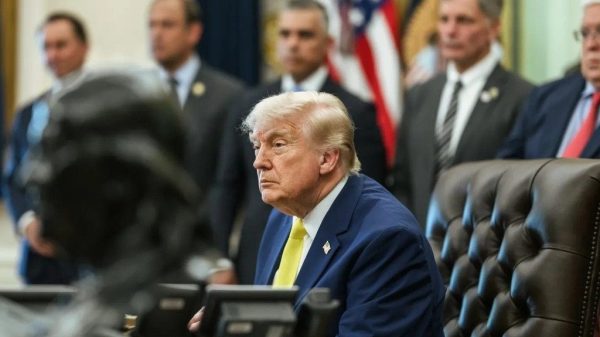
As a result, Israel’s global standing plummeted. When Prime Minister Benjamin Netanyahu addressed the United Nations General Assembly’s 80th Anniversary on September 26, 2025, the hall emptied, reflecting the international community’s disapproval. Even US President Donald Trump, a staunch ally of Israel, treated Netanyahu with disdain, warning him not to attack Qatar, a key Middle Eastern peacemaker. Trump’s stance was reinforced by an executive order protecting Qatar’s sovereignty.
These developments likely influenced the Tinubu administration’s decision to release Ramzy from detention. Meanwhile, Nigeria’s international image suffered, prompting Professor Ibrahim Gambari, a renowned diplomat and former Foreign Affairs Minister, to defend the country’s reputation at various forums. At the UNGA@80 Pact Innovation Forum, Gambari appealed for urgent funding to prevent staff layoffs and budget cuts affecting UN humanitarian agencies.
In a surprising move, Trump unveiled a 20-point peace plan for Gaza, outlining a comprehensive framework for peace. Key aspects include :
- Ceasefire and Hostage Exchange: An immediate ceasefire, with Israel returning all hostages, alive and dead, 72 hours after publicly accepting the agreement. In exchange, Israel would release 250 life sentence prisoners and 1,700 Gazans detained after October 7, 2023.
- Gaza Redevelopment: A plan to rebuild and energize Gaza, allowing full aid into the territory and providing safe passage for willing Hamas members to leave.
- International Stabilization Force: Establishing a force to train and support vetted Palestinian police forces in Gaza, securing border areas.
- Palestinian Self-Determination: A pathway to Palestinian self-determination and statehood, recognizing the aspiration of the Palestinian people.
While the plan has sparked international praise, controversy surrounds the proposed leadership structure in Gaza. Trump’s plan suggests a temporary transitional governance led by a technocratic committee, with Trump himself as the chair. Former UK Prime Minister Tony Blair would also be part of this leadership, despite his questionable past.
The plan’s success hinges on various factors, including Israel’s and Hamas’s willingness to accept its terms. Egypt is working with Qatar and Turkey to convince Hamas to accept the plan. As Trump stated, his proposals will be pursued even if Hamas delays or rejects them. However, the plan’s silence on Israel’s potential delay or rejection raises concerns.
In the midst of these developments, one thing is clear: peace, even in pieces, might be preferable to no peace at all. As the international community continues to grapple with the complexities of the Israeli-Palestinian conflict, Trump’s plan offers a glimmer of hope for a lasting resolution.