




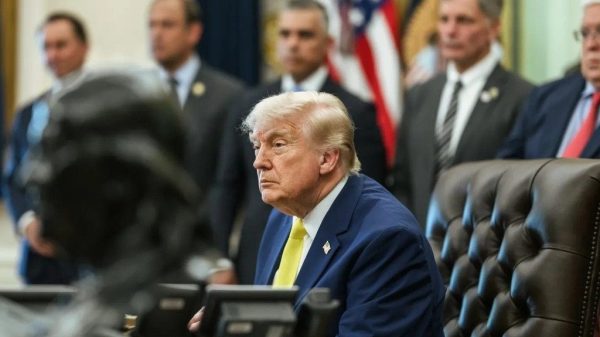

























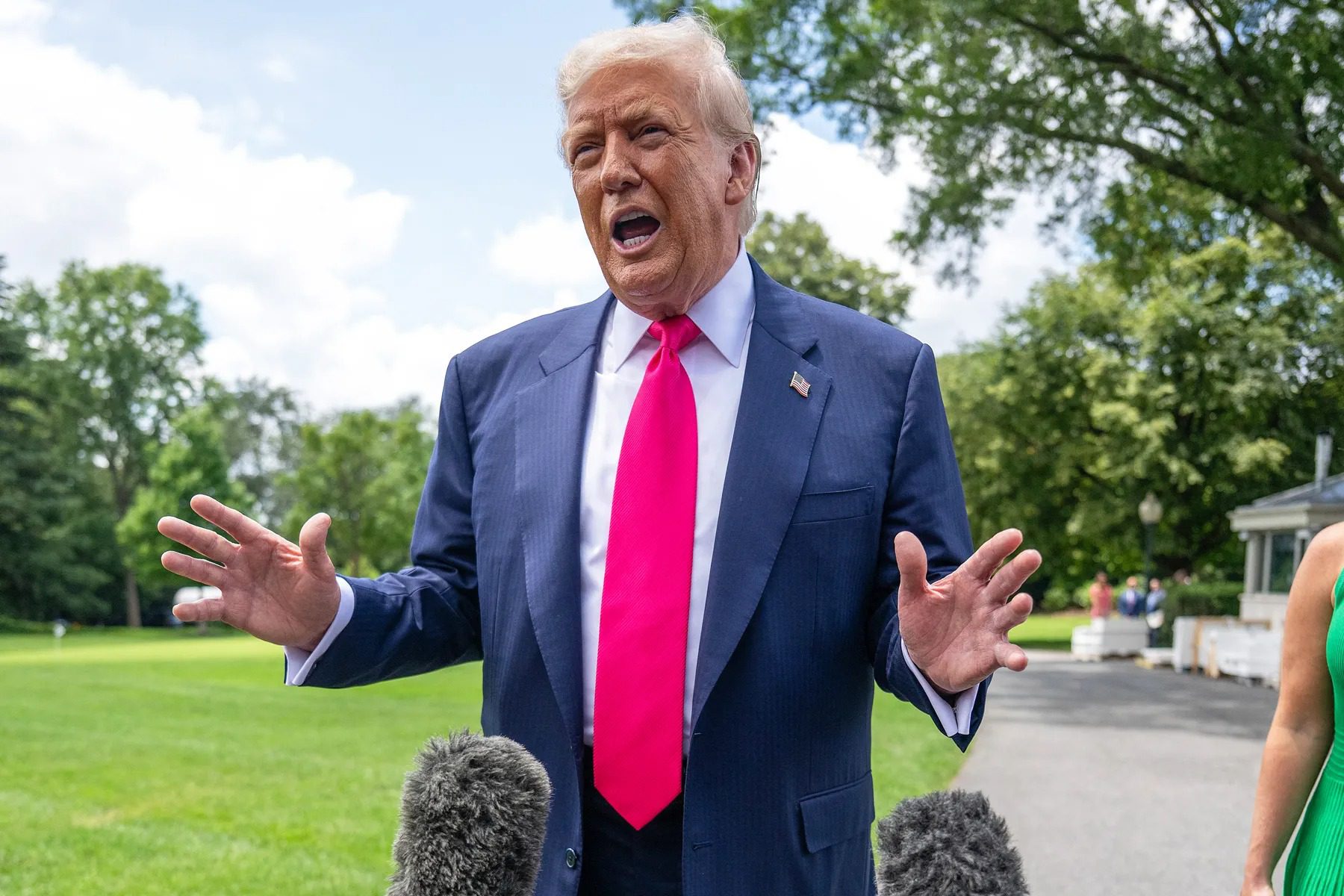
US President Donald Trump has raised alarm over what he described as an “existential threat” to Christians in Nigeria, urging American lawmakers to investigate what he called the “mass slaughter” of believers in the West African nation.
Trump made the statement on his Truth Social platform, claiming that thousands of Christians have been killed and blaming the violence on what he referred to as “radical Islamists.” Although he did not provide evidence to support his claims, his comments have once again drawn attention to the recurring violence in Nigeria’s northern and central regions.
The president said he was naming Nigeria a “country of particular concern,” a designation typically reserved by the US State Department for nations accused of violating religious freedoms. He also tasked two federal lawmakers with probing the alleged killings, stating that America “cannot stand by while such atrocities are happening in Nigeria and other countries.”
“We stand ready, willing, and able to save our great Christian population around the world,” Trump added.
Nigeria’s complex religious and ethnic landscape has long been at the center of security challenges. The country is almost evenly divided between a Muslim-majority north and a predominantly Christian south. In the northeast, insurgents from Boko Haram and its offshoot, the Islamic State West Africa Province (ISWAP), have waged a brutal campaign for more than 15 years, leading to over 40,000 deaths and displacing millions.
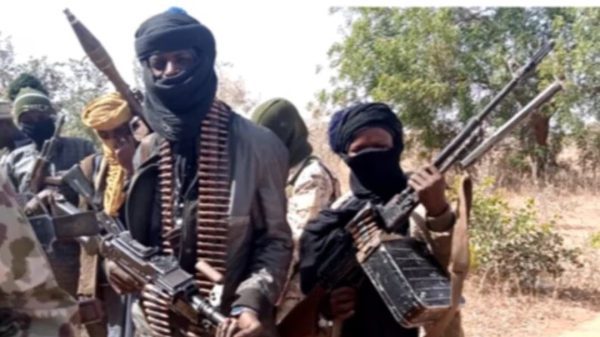
Beyond the insurgency, vast parts of Nigeria’s northwest and central regions have come under siege from armed gangs commonly referred to as “bandits.” These groups routinely raid villages, killing and kidnapping residents for ransom. Their attacks, though violent, are often driven by economic motives rather than religious differences.
Tensions between predominantly Muslim herders and largely Christian farmers have also deepened in the country’s Middle Belt region, fueled by competition over land, grazing routes, and access to water. These conflicts, while rooted in resource struggles, have frequently taken on religious overtones in communities already scarred by years of sectarian clashes.
Although the Nigerian government has repeatedly dismissed claims of a targeted “Christian genocide,” Trump’s remarks have reignited debate over how religious narratives are shaping perceptions of violence in Africa’s most populous nation.