
























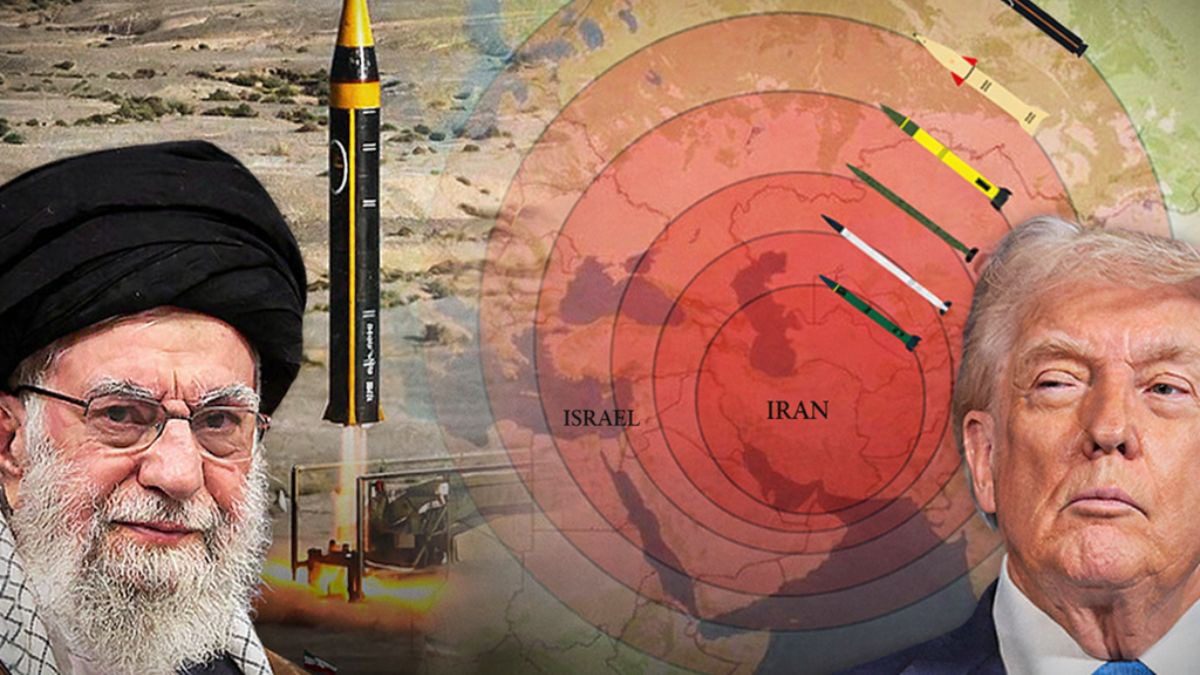
The escalating confrontation between the United States and Iran is fast becoming more than just a geopolitical standoff; it is emerging as a major structural stress test for global trade, with significant ripple effects expected to reach African shores. The Sea Empowerment and Research Center (SEREC) has issued a stern warning that African maritime nations, particularly those heavily reliant on imports, are sitting in a precarious position as these tensions simmer.
According to a communiqué shared with Reports and signed by the center’s Head of Research, Eugene Nweke, the potential fallout for the African Union is extensive. As global oil prices react to the instability, the continent could face a dual blow: a surge in fuel costs alongside escalating food inflation. Nweke emphasized that the risks are multifaceted, ranging from volatile freight rates and spikes in war-risk insurance premiums to increased pressure on already strained local currencies.
Beyond the economic strain, maritime security is a primary concern. With key shipping routes becoming increasingly unpredictable, African nations may find themselves forced to ramp up naval coordination and surveillance. Protecting trade corridors in the Gulf of Guinea is set to become a more complex and urgent task as the global shipping environment grows more volatile.
To navigate these turbulent waters, the report advises Nigeria and its regional partners to abandon the practice of funneling oil windfall gains into recurrent expenditure. Instead, the center advocates for redirecting these funds toward economic stabilization and critical infrastructure. The strategy should also include securing a steady crude supply for domestic refineries, bolstering regional maritime security, and expanding strategic petroleum reserves to act as a buffer against global shocks.
A central point raised by the research team is that Nigeria’s resilience will not be determined by crude revenue alone, but by a combination of disciplined fiscal management, the optimization of domestic refining, and a genuine push for trade diversification. The analysis suggests that the potential stabilizing impact of the Dangote Refinery remains vital, yet it could be significantly undermined if not supported by coherent national policy alignment. Ultimately, as Zoyols observes, surviving this external pressure requires a shift away from reliance on volatile international shipping routes toward a more integrated, self-reliant regional trade framework.