




































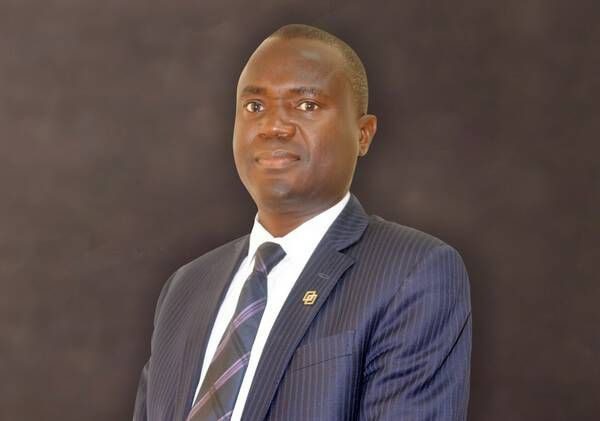
In a financial landscape that is rapidly evolving, non-interest banking is making significant waves in Nigeria. To better understand this shift, Reports caught up with Dr. Sirajo Salisu, the Managing Director and CEO of Summit Bank Limited. Since obtaining its license in early 2025 and launching operations later that July, the bank has been navigating a market that is increasingly defined by digital innovation and a growing hunger for transparent financial partnerships.
One of the biggest hurdles remains the public’s perception of what “non-interest” actually means. Dr. Salisu explained that many people initially mistake the concept for a charitable or non-profit endeavor. However, the reality is far more business-oriented. While conventional banks rely on interest—charging you to borrow and paying you to save—a non-interest bank operates on a model of profit-sharing. If a customer takes capital to fund a project, the bank doesn’t just collect a fee; it becomes a partner in the venture, sharing in the actual profits generated.
The CEO emphasized that this approach isn’t just for a specific religious group. While often associated with Sharia principles, “Islamic,” “ethical,” or “non-interest” banking is open to everyone regardless of faith. According to Dr. Salisu, many non-Muslims are currently migrating to this model because of its fairness and transparency. In a non-interest system, even depositors benefit from the bank’s success. Instead of a fixed, often low interest rate, savers receive a share of the bank’s monthly earnings, which often makes the returns more competitive than those of traditional institutions.
At Summit Bank, the focus is on merging professional expertise with advanced technology. Dr. Salisu noted that today’s banking is as much about digital platforms as it is about physical branches. By leaning into technology, the bank aims to drive financial inclusion across the country, reaching people who previously felt alienated by traditional banking structures. The bank’s team doesn’t just open accounts; they act as business consultants, offering advice on everything from local trading to international export to ensure their partners—the customers—actually succeed.
Transparency is perhaps the strongest selling point for this model. Dr. Salisu pointed out a key difference: a non-interest bank rarely gives out cash for “luxury” or unspecified purposes. Instead, if a client needs to buy inventory, the bank purchases the goods directly and delivers them to the client. This prevents the common pitfall of “loan diversion,” where a borrower takes money for one thing and spends it on another, eventually falling into debt.
Crucially, the agreement made at the start of a transaction remains set in stone. Whether market interest rates rise or the customer ends up making a much larger profit than expected, the bank sticks to the original profit-sharing percentage. This level of predictability and ethical commitment is what Summit Bank believes will redefine the Nigerian banking experience.