



























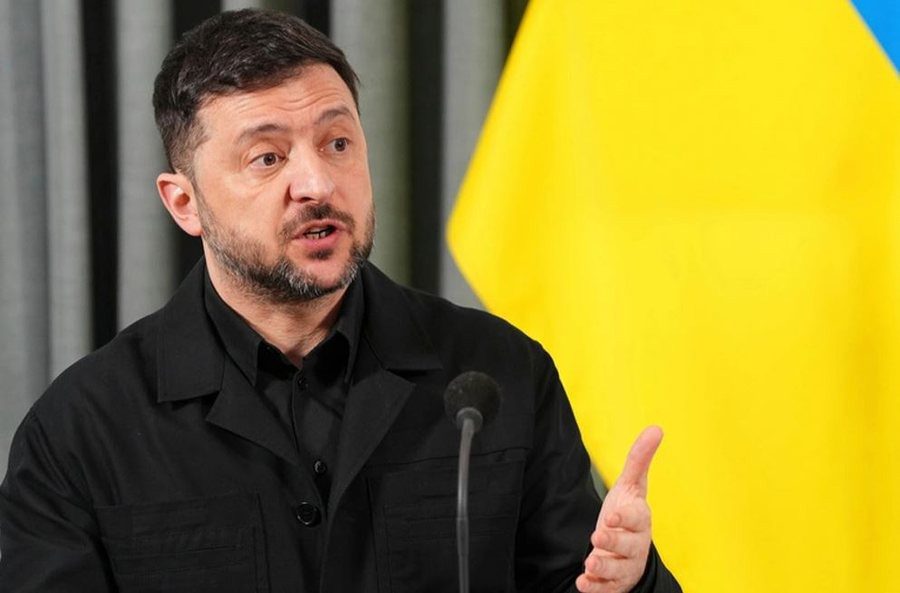
Ukrainian President Volodymyr Zelensky has expressed his country’s willingness to play a role in reopening the Strait of Hormuz, a critical maritime route currently under a heavy blockade by Iran. The closure of this shipping lane has sent shockwaves through the global economy, threatening fuel supplies and causing widespread market instability. In remarks shared with Reports, Zelensky noted that while no official invitation has been extended to Kyiv yet, he has already made it clear to leaders across the Middle East and the Gulf that Ukraine is ready to offer its defensive expertise.
The crisis in the Strait of Hormuz is largely seen as a retaliatory move by Tehran following a series of military strikes that have escalated conflict across the region. For Ukraine, the situation presents an opportunity to showcase the specialized skills it has developed over years of resisting the Russian invasion. Specifically, Kyiv points to its success in the Black Sea, where it managed to restore passage for essential goods after Russia attempted a similar stranglehold at the start of the war.
During a discussion with a group of journalists on Thursday, the Ukrainian leader suggested that his nation’s experience in maritime security could be a significant asset to Gulf nations. While he did not go into the specifics of a potential military or technical deployment, he emphasized that Ukraine’s ability to counter modern threats—particularly the types of drones Iran has deployed in the region—is now world-class.
There has been growing concern in Kyiv that the international community’s focus is shifting away from the war in Eastern Europe toward the volatile situation in the Middle East. By offering assistance in the Gulf, Zelensky appears to be positioning Ukraine as a strategic partner whose value extends beyond its own borders. This diplomatic push follows a recent tour of the region where the President signed significant defense agreements with both Qatar and Saudi Arabia.
Zelensky believes these recent high-level visits have fundamentally shifted how Middle Eastern and Gulf countries view Ukraine. He suggested that the partnerships being built now will likely define the relationship between his country and the region for many years to come. By moving from a position of a nation solely seeking aid to one offering specialized defensive solutions, Ukraine is attempting to solidify its relevance on the global stage.
As the world watches the standoff in the Middle East, the prospect of Ukrainian involvement adds a new layer to the international effort to secure global trade routes. Whether or not Gulf leaders will take up the offer remains to be seen, but the proposal underscores just how interconnected modern security challenges have become.