



















The political landscape ahead of the 2027 general elections is beginning to shift as allies of former governors Peter Obi and Rabiu Musa Kwankwaso intensify their push for a Southern presidential ticket. This move has sparked a fresh wave of debates within the opposition camp, where leaders are currently grappling with the complexities of zoning, regional equity, and the urgent need for a unified front.
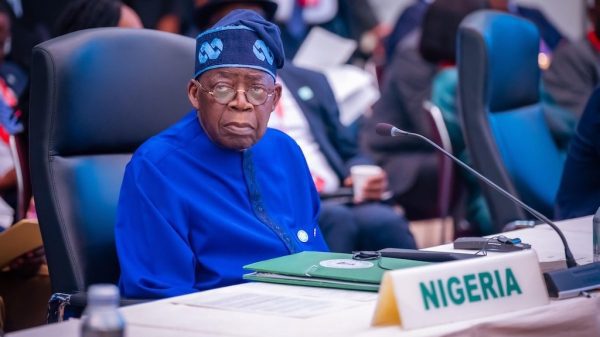
The push for a Southern consensus candidate gained significant traction following a high-level political gathering in Ibadan. The event saw heavyweights like former Vice President Atiku Abubakar, Peter Obi, Kwankwaso, and former Rivers State Governor Rotimi Amaechi discussing strategies to challenge the ruling All Progressives Congress. The central theme was the possibility of presenting a single, formidable candidate to face President Bola Tinubu in the next polls.
The conversation has since split the opposition parties. While some are focused on national balance, others are prioritizing sheer electoral strength. Justin Ijeh of the Obi-Kwankwaso Movement and Dr. Yunusa Tanko of the Obidient Movement emphasized that respecting Nigeria’s informal zoning arrangement is essential for justice. They argued that since the current presidency is already in the South, it is only fair for the successor to emerge from the same region to ensure the South completes its full cycle of leadership.
Dr. Tanko further noted that Peter Obi has already expressed a willingness to serve a single four-year term to facilitate this balance. He remains confident that if the opposition settles on a unified ticket, Obi would likely emerge as the consensus choice due to his overwhelming popularity, particularly among the youth. He recounted emotional scenes at airports and public halls where citizens chanted Obi’s name, describing the public’s affection as a clear sign of the direction Nigerians want to go.
However, the African Democratic Congress has taken a slightly different stance. The party’s National Publicity Secretary, Bolaji Abdullahi, suggested that the ADC is more concerned with finding a candidate who can actually win rather than strictly adhering to zoning. He hinted that the party might favor an open competition where strategic gain and popularity take precedence over regional power-sharing traditions.
Zoyols News also found that the New Nigeria People’s Party and the Social Democratic Party are treading carefully. NNPP’s Ladipo Johnson acknowledged that while defeating the current administration is the ultimate goal, any joint candidate must be acceptable to both the North and the South. Similarly, SDP National Chairman Shehu Gabam maintained that while zoning is a valid political factor, the final decision rests on the collective interests of the parties involved, noting that it is still too early to make definitive commitments.
This growing quest for unity is widely seen as a response to the 2023 elections, where a fragmented opposition allowed the ruling party to secure victory. While the idea of a consensus candidate could fundamentally change the dynamics of the 2027 race, analysts believe the opposition must first overcome internal hurdles regarding party structures and ideological differences to make such a coalition work.