
























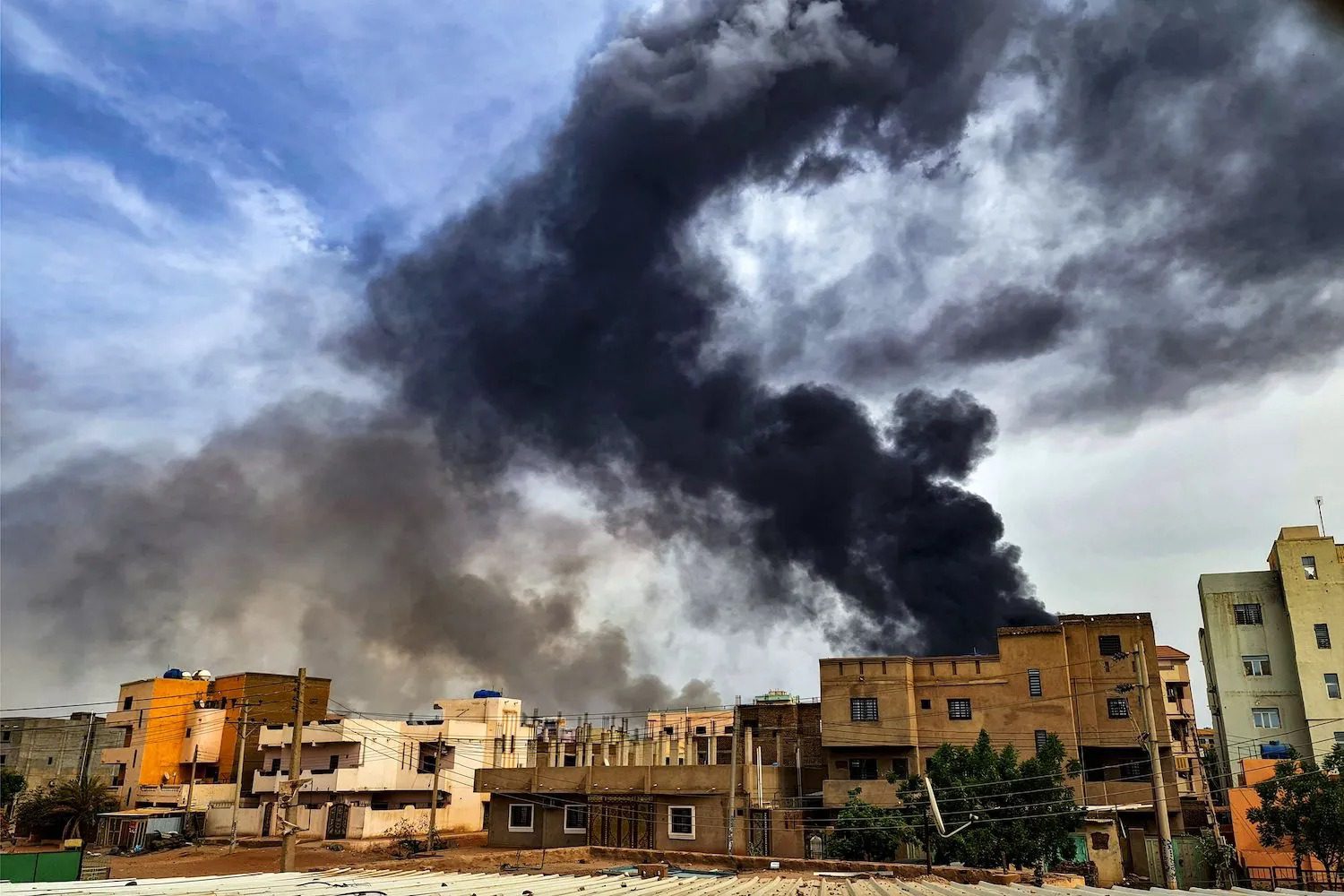
Sudan’s conflict continues to intensify as both the regular army and the paramilitary Rapid Support Forces (RSF) receive sophisticated weapons through extensive supply networks supported by regional powers. Since fighting erupted in April 2023, tens of thousands have died, and millions have been displaced, while the RSF has seized large territories in the west and south, often relying on routes through neighbouring countries.
The United Arab Emirates is frequently accused by Khartoum of backing the RSF as a proxy force, though Abu Dhabi denies direct involvement. US sanctions on RSF commanders cite financial ties to the UAE, and reports suggest Abu Dhabi has established a wide-reaching air bridge through client states such as Chad, Libya, the Central African Republic, and South Sudan. Analysts note the UAE’s significant investments in the Horn of Africa, focusing on farmland, gold, and Red Sea access. Competing powers, including Saudi Arabia, Egypt, and Turkey, have sought to counterbalance these moves.
Egypt openly supports army chief Abdel Fattah al-Burhan, recognising him as Sudan’s legitimate authority while denying direct military intervention. Still, the RSF has accused Egypt of air strikes and drone attacks, particularly after its capture of the western border triangle with Libya. Cairo has repeatedly warned of “red lines” and is reported to have disrupted RSF supply lines along the border. Satellite imagery shows Turkish-made Bayraktar drones stationed at Egyptian airbases, underscoring its strategic involvement.
In Libya, strongman Khalifa Haftar has reportedly facilitated UAE deliveries of fuel, weapons, and mercenaries to the RSF. Sudanese authorities have accused Haftar’s forces of participating in RSF operations, particularly in the contested border triangle. Pressure from Egypt, Saudi Arabia, and Turkey has targeted these supply lines, and the temporary closure of Kufra Airport in January, a key RSF air bridge, was widely interpreted as an effort to disrupt operations.
Chad has also played a role in sustaining RSF supplies. Despite the closure of its border last month, investigations reveal that Emirati weapons have moved through Amdjarass airport, near Sudan, with implications for local Zaghawa communities who have been targeted in Darfur. President Mahamat Idriss Deby has faced criticism over his country’s support of RSF arms transfers.
Khartoum recently accused Ethiopia of allowing drone attacks to originate from its territory, marking the first direct allegation against Addis Ababa. The RSF is reported to have established training camps across the border in Ethiopia, a claim the Ethiopian government denies. Satellite imagery, however, shows significant activity at Asosa airport near the Sudanese border, previously used to launch drone operations into Sudan.
These interconnected alliances and supply routes highlight how Sudan’s war is increasingly shaped by regional power plays, turning local conflict into a broader geopolitical struggle with devastating human consequences.