
























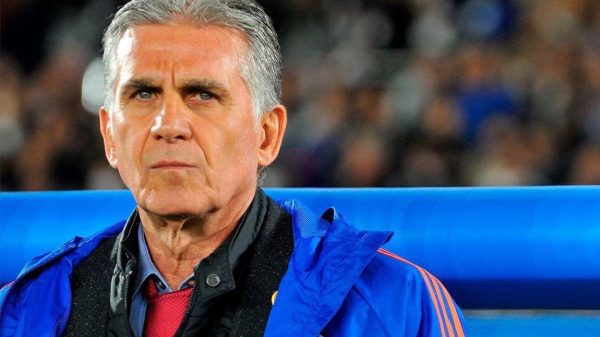


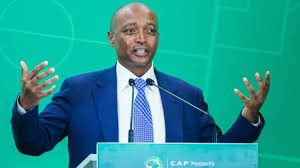



The Chairman of the Independent National Electoral Commission, Prof. Joash Amupitan, has reaffirmed his commitment to ensuring what he described as true “electoral justice” in Nigeria. He said his leadership would focus on building a system that inspires confidence among contestants and drastically reduces post-election litigations.
Speaking with journalists in Awka, Amupitan acknowledged that it is within the right of any candidate or political party to challenge an election outcome in court. However, he expressed a strong desire to make the electoral process so transparent and credible that most participants would see no reason to contest the results.
“One of my key priorities is to institutionalize electoral justice so that when you lose, you know you have lost fairly,” he said. “If people believe justice has been served, they are less likely to seek redress in court. Nobody can be stopped from going to court, but if there is confidence in the system, unnecessary petitions will fade away.”
Amupitan stressed that although no election can be perfect, Nigeria must strive toward one that leaves no room for doubt or manipulation. He recalled instances where governorship elections were overturned, some rightly and others wrongly, emphasizing that strict adherence to the law would minimize such outcomes.
“As lawyers, we often remind judges that once due process has been followed, their hands are tied. That is what we want to achieve compliance so firm that the tribunal has no discretion but to uphold the result,” he explained.
He urged all stakeholders to play their part by respecting the Constitution, the Electoral Act, and INEC’s regulations, noting that full compliance would make frivolous petitions unattractive. He shared an example where a petition was withdrawn after the petitioner realized that the commission’s processes had been flawlessly executed.
Amupitan also drew attention to the heavy financial burden of election litigation, pointing out that taking cases from tribunals to appellate courts comes at great cost. According to him, when candidates realize that the commission conducts elections with integrity, many will reconsider before heading to court.
He revealed that INEC is already considering amendments to discourage frivolous lawsuits. “We are proposing legal adjustments that would require anyone filing a baseless case to bear the costs and compensate INEC for expenses incurred,” he said. “Once this is in place, it will naturally cut down on unnecessary court cases.”
The INEC chairman further outlined plans to strengthen inclusivity, particularly for persons with disabilities, while improving logistics and operations. He emphasized that his team is determined to correct long-standing lapses in the system.
“Transport logistics, for instance, will no longer be taken for granted. We now demand full details from unions, including drivers’ names, phone numbers, and vehicle inspections before election day. These are measures to ensure that every step of the process reflects transparency and accountability,” he added.
Amupitan expressed optimism that by reinforcing trust, upholding fairness, and closing gaps in the system, Nigeria would soon reach a point where election results speak for themselves, leaving no room for endless disputes.