





















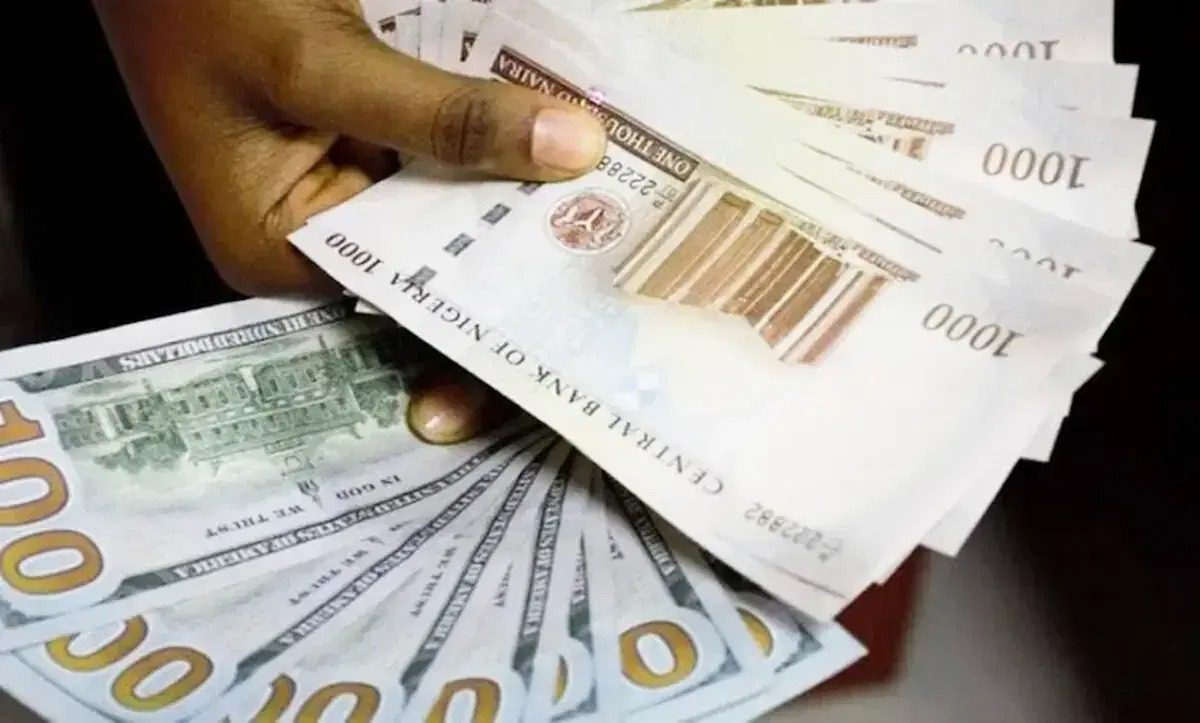
The Nigerian Naira is holding its ground with a sense of quiet stability as the first full trading week of March 2026 comes to a close. According to the latest market data monitored by Reports, the local currency is currently trading within a very predictable range against the US Dollar. This steady performance is being reinforced by a combination of healthy national reserves and a continued drop in inflationary pressure across the country.
In the official Nigerian Foreign Exchange Market (NFEM) window, the day started with the Naira opening at 1,385.42 per dollar. By the early hours of Friday morning, the rate showed a very slight gain, settling at 1,385.20. While this is a minor shift from the previous day’s close of 1,385.30, it suggests a market that is currently in a phase of consolidation. Although the Naira is slightly softer now than it was at the end of February—when it sat closer to the 1,360 mark—liquidity remains strong. Dealers note that the central bank’s commitment to the “willing-buyer-willing-seller” model has successfully stripped away the chaotic price swings that used to plague the market.
The informal or parallel market is staying very much in sync with the official window. Currently, the dollar is being exchanged at rates between 1,395 and 1,405, keeping the gap between the two sectors at a remarkably narrow 1.5%. Traders in major hubs like Lagos and Abuja report that while there is the usual end-of-week demand for travel and small business needs, there is no sign of the speculative hoarding that often triggers a crisis. This alignment shows that the supply of foreign currency to Bureau De Change operators is effectively meeting the needs of everyday users.
Several big-picture factors are helping to keep the Naira steady this March. Nigeria’s gross external reserves recently hit a 13-year high of 50.45 billion dollars, providing nearly ten months of import cover. This gives the Central Bank significant leverage to manage any sudden market shocks. Furthermore, the drop in inflation to 15.10%, a massive improvement from the 34.19% peak seen back in 2024 has greatly improved the real value of the Naira in the pockets of Nigerians.
Another silent hero in this stability is the impact of domestic refining. The Dangote Petroleum Refinery is reportedly absorbing some of the global fluctuations in crude prices internally. This has reduced the massive amount of foreign exchange previously needed to import fuel, helping to protect the domestic economy from energy-driven inflation. Combined with steady oil production at 1.46 million barrels per day, the country is seeing a reliable flow of foreign currency. As the week wraps up, analysts at Reports expect the Naira to finish within the 1,380 to 1,390 range, with all eyes now turning to mid-month trade data for the next big signal.