
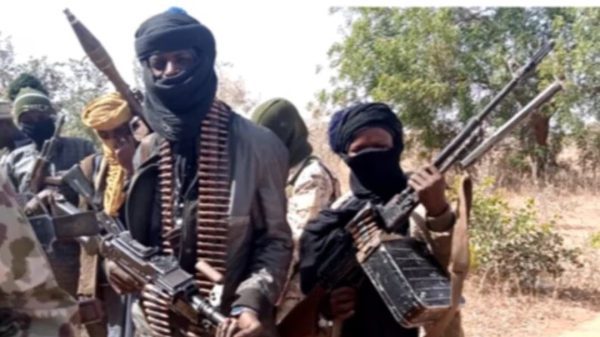





















For months, Mali’s capital, Bamako, has been gasping under a tightening siege launched by the al-Qaeda-linked group, Jama’at Nusrat al-Islam wal-Muslimin (JNIM). What began as scattered attacks on supply routes has now evolved into a calculated economic blockade that’s choking the city’s fuel lifelines and testing the strength of the ruling military government.
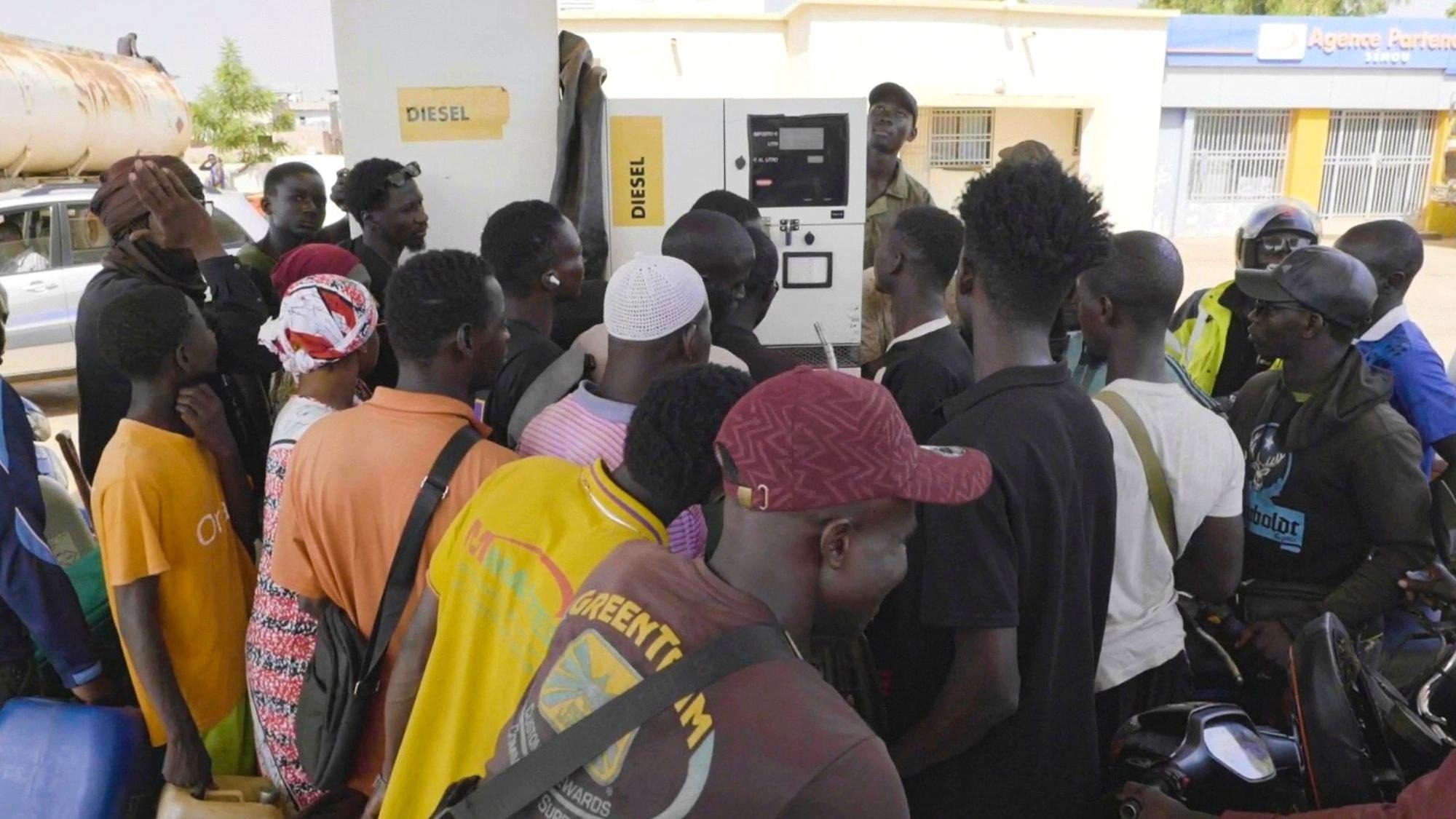
Since September, JNIM has crippled major transport corridors from Senegal and Ivory Coast — routes vital for delivering fuel and essential goods. The effect has been devastating: endless queues at petrol stations, shuttered schools, and silent streets once buzzing with life. The government’s repeated assurances that the crisis would soon pass now sound hollow as the blockade drags on, pushing the capital to the brink of paralysis.
Security analysts say JNIM’s aim isn’t necessarily to capture Bamako but to apply relentless pressure on Gen. Assimi Goïta’s military junta, which has refused to negotiate. The group’s strategy blends economic warfare with psychological torment — draining fuel supplies, torching convoys, and sabotaging infrastructure. Videos circulating across Mali show fuel tankers burning on highways while militants strike convoys attempting to break the blockade.
The human toll has been immense. Residents have abandoned vehicles at petrol stations, and power cuts now darken homes and businesses. Education has been suspended nationwide, with the Ministry of Education citing safety concerns and transportation challenges. Prices of fuel and food have skyrocketed, worsening an already fragile economy. A litre of fuel that once cost $25 now sells for over $130, triggering inflation that’s crippling daily life.
Behind the chaos stands JNIM’s leader, Iyad Ag-Ghali — a veteran Tuareg rebel known for his political shrewdness and military precision. While the group’s estimated 6,000 fighters lack the capacity to storm major cities, analysts believe its real weapon is manipulation. “They’re not trying to take over Bamako,” one regional expert told Zoyols Blog. “They want anger in the streets — unrest that weakens the junta and forces a government more favorable to them.”
JNIM’s operations go beyond military ambushes. The group’s vast network is funded through gold mining, smuggling, and ransom payments. In gold-rich areas like Kayes, it taxes miners and local traders, using the proceeds to sustain its sieges and extend control across Mali’s north and central regions.
The situation has placed enormous pressure on the ruling junta, whose promise to restore peace is fading fast. The government now struggles to protect fuel convoys while maintaining security in reclaimed territories. Russian mercenaries from the Africa Corps, brought in to support Mali’s forces, have so far struggled to neutralize the group’s guerrilla tactics.
For many Malians, the blockade feels like a deliberate test — not just of the government’s resolve but of the nation’s endurance. With Bamako running out of fuel and patience, the military faces an impossible choice: continue a hardline military stance that risks deepening the crisis or open the door to talks that could reshape the country’s power dynamics.
What’s clear is that JNIM’s siege has redefined the conflict — shifting the battleground from the deserts of the north to the very heart of Mali. And as fuel runs dry, the bigger fear now isn’t just a shortage of petrol, but a collapse of hope itself.