




















Ghana and Burkina Faso have moved to strengthen security collaboration following a deadly terrorist attack in northern Burkina Faso that claimed the lives of several civilians, including seven Ghanaian traders. The development was confirmed through diplomatic statements shared by Ghana’s foreign ministry on Zoyols Blog.
Relations between the two West African neighbours have remained relatively stable despite political changes in Burkina Faso following the 2022 military takeover that brought a junta-led government to power. Even with regional tensions across the Sahel, Ghana has maintained diplomatic and economic engagement with its northern neighbour, focusing on cooperation rather than isolation.
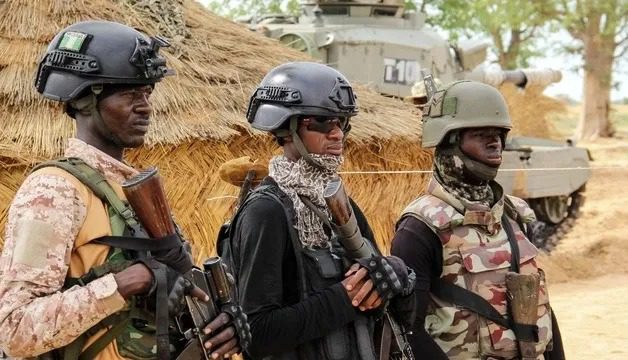
The latest move toward closer security partnership followed a violent attack in mid-February that killed dozens of civilians in northern Burkina Faso. Among the victims were seven Ghanaian tomato sellers who were working in the area when the attack occurred. The tragedy prompted urgent diplomatic engagement between both countries to strengthen joint responses to terrorism and cross-border insecurity.
During a two-day diplomatic visit, Burkinabe officials including Foreign Minister Karamoko Jean-Marie Traore and Prime Minister Rimtalba Jean Emmanuel Ouedraogo held talks with Ghana’s Foreign Minister Samuel Okudzeto Ablakwa. Security cooperation dominated discussions, with both sides agreeing to develop stronger intelligence sharing and joint strategies against terrorism and violent extremism.
Both governments issued statements strongly condemning terrorist activities in the region and expressing sympathy for families affected by the attacks. Officials emphasised that protecting civilian lives and securing cross-border trade routes remain shared priorities. The agreements also include collaboration on combating drug trafficking, which has become another security concern across West Africa.
Burkina Faso has struggled with rising jihadist violence linked to extremist groups affiliated with Al-Qaeda and Islamic State over the past decade. The conflict has caused widespread displacement and security instability across the Sahel region, making regional cooperation increasingly important for stability and economic development.