


















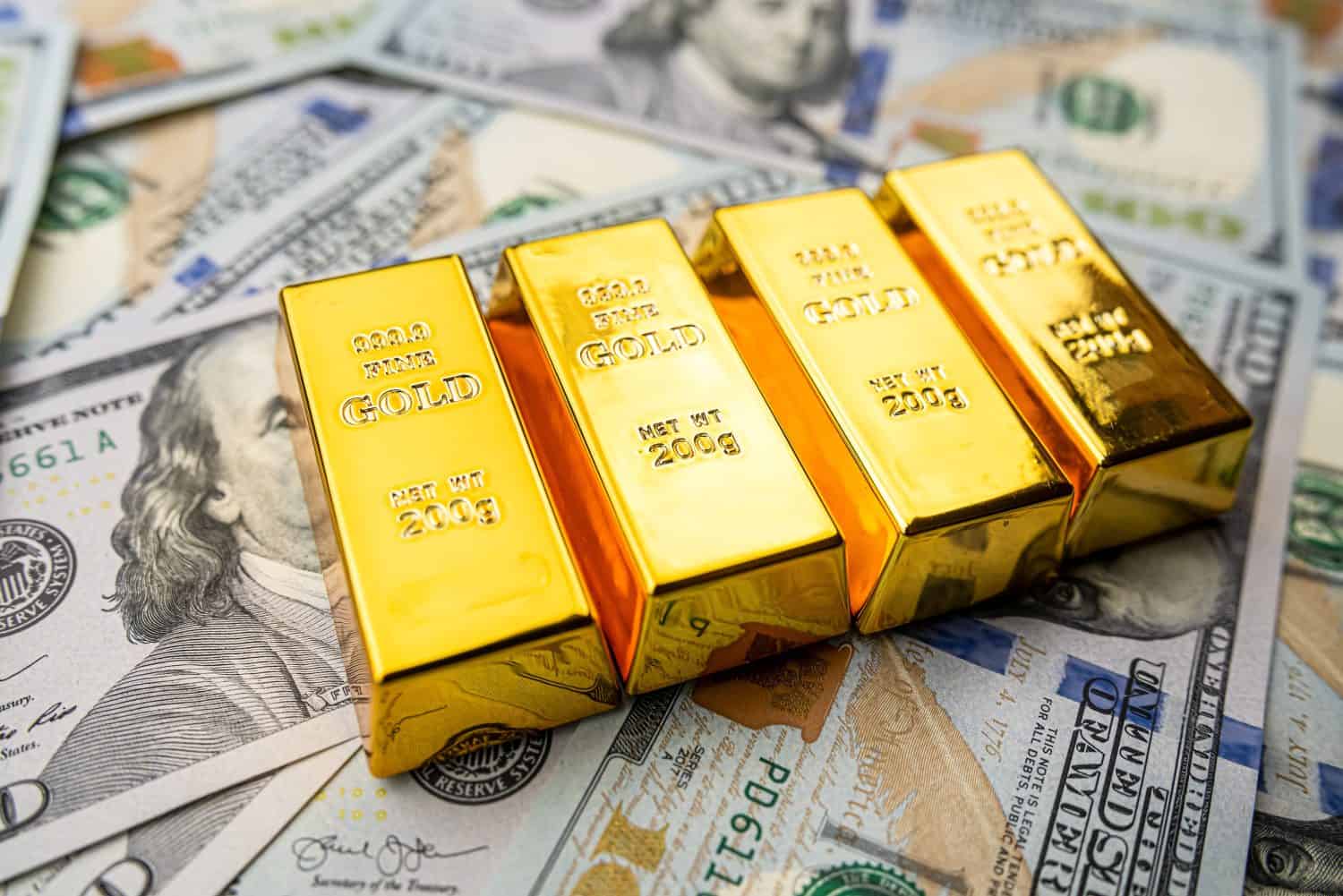
In a historic day for global financial markets, gold has shattered the $5,000 per ounce barrier for the first time, while the US dollar faced a sharp retreat during Monday’s Asian trading session. The dramatic shift follows intense speculation that American and Japanese officials are preparing a coordinated intervention to rescue the struggling yen.
The catalyst for the dollar’s slide was a series of reports suggesting the Federal Reserve Bank of New York has been checking exchange rates with major traders. This move, often seen as a precursor to direct market intervention, sent the yen surging by more than one percent, reaching 153.89 against the dollar—its most robust performance since last November.
The yen had previously been in a downward spiral, weighed down by concerns over Japan’s fiscal health and the Bank of Japan’s reluctance to aggressively hike interest rates. However, the possibility of Washington joining Tokyo to stabilize the currency has completely flipped the script. Japan’s top currency chief, Atsushi Mimura, reinforced this sentiment on Monday, stating that authorities are ready to respond “appropriately” in close coordination with their US counterparts. This followed a stern warning from Prime Minister Sanae Takaichi against “speculative and highly abnormal movements.”
As the dollar weakened, other major currencies and assets felt the ripple effect. The Singapore dollar climbed to an 11-year high, while the euro, pound, and South Korean won all posted significant gains. This widespread retreat of the greenback provided the perfect environment for precious metals to soar. Gold prices jumped over two percent, peaking at $5,111.07 per ounce, while silver continued its own explosive run, spiking above $109.
Beyond currency fluctuations, safe-haven demand is being driven by a darkening geopolitical landscape. Investors are increasingly nervous over the Trump administration’s recent military intervention in Venezuela, where President Nicolás Maduro was recently captured in a high-stakes operation. Coupled with fresh warnings directed at Iran and the looming threat of another US government shutdown, the “fear gauge” in the markets is at an all-time high.
While equity markets in Tokyo and Shanghai struggled under the weight of these shifts, oil prices continued to climb. The rise comes after President Trump’s announcement that a US “armada” is moving toward the Gulf, keeping the door open for further action against Tehran. As the Federal Reserve prepares for its policy meeting later this week, all eyes remain on how these massive geopolitical and economic moves will reshape the global order.