




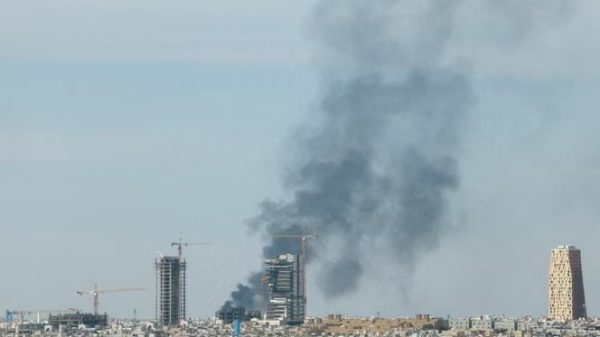


























The glittering skyline of Dubai was transformed into a scene of chaos on Saturday evening as the world-renowned Burj Al Arab hotel was reportedly struck by a suspected suicide drone. In a terrifying development that highlights the rapidly deteriorating stability of the Middle East, thick plumes of black smoke were seen rising from the iconic sail-shaped landmark. Footage shared across social media and monitored by Reports showed flames licking at the base of the luxury five-star hotel as emergency responders struggled to contain the blaze amid a heavy security presence.
The strike on the Burj Al Arab was not an isolated incident. Just hours earlier, the Fairmont The Palm, another high-end hotel in the prestigious Palm Jumeirah district, was also engulfed in fire. Reports indicate that an Iranian Shahed drone crashed into the building, though some officials suggested the damage might have been caused by falling debris from an intercepted missile. A Dubai government spokesperson confirmed that four people were injured in the Palm Jumeirah area and were immediately rushed to the hospital. While authorities have since brought the flames under control, the sense of panic among residents and tourists remains palpable.
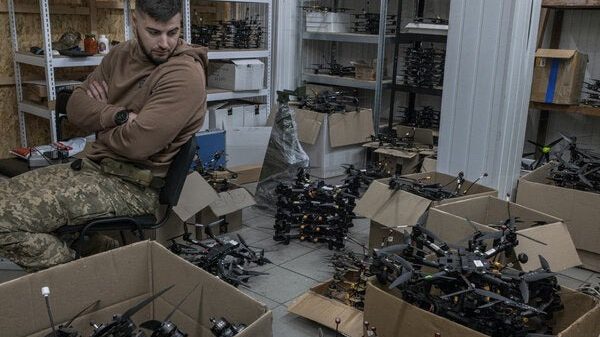
Witnesses in the tourist hotspot described hearing a massive explosion that shook the ground before smoke began to drift across the horizon. Some videos circulating online appear to capture the final seconds of a drone diving toward the Burj Al Arab, though an official confirmation of the specific weapon used is still pending. The United Arab Emirates has stated that its defense systems intercepted a wave of drones and missiles launched from Iran, part of a broader retaliatory strike by Tehran following joint operations by the U.S. and Israel earlier that day.
The violence has not been limited to the UAE. Explosions have rocked U.S. military bases in Bahrain, Kuwait, and Qatar. In Abu Dhabi, at least one person was reported killed after Emirati forces intercepted incoming missiles. The gravity of the situation was captured by Will Bailey, a British tourist who described the experience on TikTok as feeling like the onset of a third world war. Meanwhile, in Israel, sirens blared across major cities as the military worked to intercept a barrage of Iranian missiles aimed at the heart of the country.
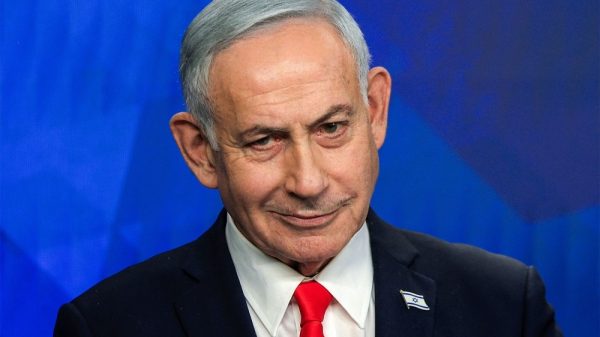
The political rhetoric surrounding the attacks has been equally explosive. Israeli Prime Minister Benjamin Netanyahu thanked President Donald Trump for his leadership in a joint operation designed to “remove the existential threat” posed by the Iranian regime. For his part, President Trump issued a stern warning to Tehran, vowing to dismantle the country’s missile industry and urging Iranian officials to surrender or face certain death. He described the ongoing military campaign as a “noble mission” aimed at restoring order.
On the other side, Iran’s Revolutionary Guard confirmed the launch of a “first wave” of strikes, naming the United States as the primary factor in the current aggression. Hardline Iranian officials have warned that there are no “red lines” left to cross, suggesting that their response is only the beginning of a larger conflict. As airspace across the Gulf remains closed and tourists in Dubai are urged to stay indoors, the world watches with bated breath to see if the situation can be de-escalated before more landmarks—and lives—are lost.