







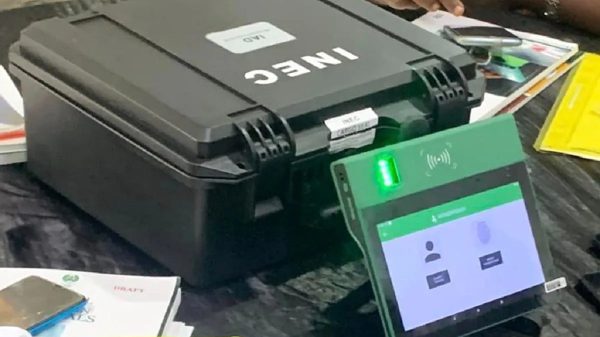



















The Independent National Electoral Commission in Lagos State is calling on community, religious, and civic leaders to take a more active role in getting citizens to participate in the electoral process. Prof. Ayobami Salami, the Resident Electoral Commissioner for Lagos, emphasized that voter registration and active participation are fundamental duties for every Nigerian, urging leaders to use their influence to encourage a peaceful and engaged turnout.
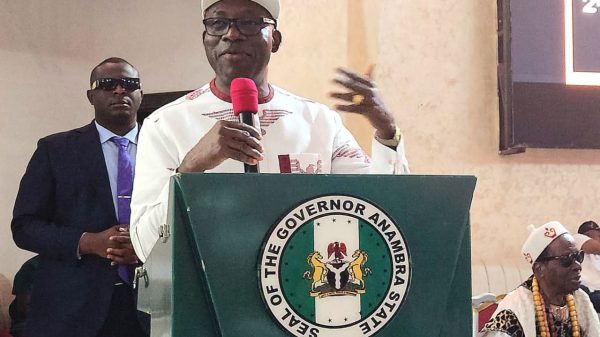
This call to action took place during a town-hall workshop themed “Youth Power, Our Voice,” which focused on enhancing civic literacy. Representing the commission at the event, the Head of Public Affairs and Protocol, Esther Emeh, highlighted that leadership isn’t confined to formal offices. Whether in homes, places of worship, or workplaces, she noted that every individual holds a position of influence that can either foster or hinder democratic participation.
The commission is working to make the process more accessible by expanding the second phase of the Continuous Voter Registration exercise into special locations. This effort is specifically designed to reach underserved groups, including persons living with disabilities. The commission’s message is clear: apathy is not an answer to national challenges. Instead, they are encouraging Nigerians to replace “I won’t vote” with a proactive approach to registering and helping others do the same.
Beyond just registration, the conversation shifted toward the quality of the democratic process. Michael Ogunsola, the Lagos focal person for the organization behind the workshop, urged young Nigerians to not only secure their Permanent Voter Cards but to remain vigilant before, during, and after the polls. He argued that election integrity requires constant advocacy to combat long-standing issues like apathy and rigging. For him, public trust in the electoral system hinges on the dedication and transparency of the officials tasked with conducting the polls.
Feyikemi Omoniyi, the lead at Springwell Development Initiative, acknowledged that voter apathy is a real concern often fueled by fears of rigging. However, she emphasized that civil society is actively countering this by deploying observers to polling units to monitor activities and report irregularities. She urged voters to prioritize competence over sentiment, choosing leaders based on their capacity to deliver good governance.
The workshop also heard from the National Orientation Agency, represented by Yahaya Musa Agboola, who noted that voter education must be a continuous effort rather than a last-minute scramble. By reaching out to citizens in public spaces like markets and communities, the agency aims to bridge the gap between the electorate and the electoral commission. As these stakeholders continue their push for greater transparency and communication, the consensus remains that a sense of belonging among voters is the surest way to strengthen the country’s democratic future.