



























Iran warned on Sunday that it would target key infrastructure across the Middle East if US President Donald Trump carried out his threat to “obliterate” Iranian power plants over the Strait of Hormuz blockade. The warning came amid a series of missile strikes on southern Israel, including areas near Dimona, home to what is widely believed to be Israel’s nuclear facility, underscoring Tehran’s continuing capability to retaliate as the conflict entered its fourth week.
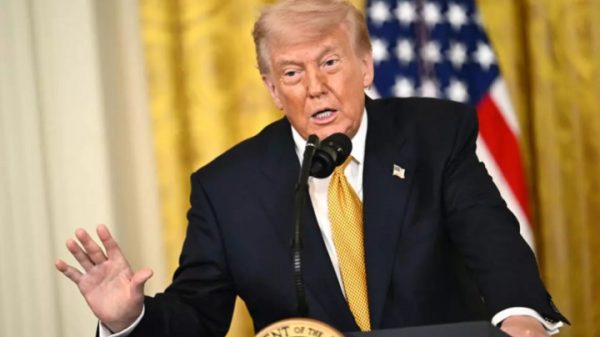
Trump intensified pressure on Iran, posting on Truth Social that the US would hit Iranian power plants “starting with the biggest one first” if the strait was not fully reopened within 48 hours. Iran’s military responded sharply, saying that if its facilities were attacked, “all energy, information technology and desalination infrastructure belonging to the US” in the region would be legitimate targets.
Early Sunday, blasts and air raid sirens echoed across Jerusalem as Iran launched another wave of missiles at Israel. Hours earlier, attacks on Arad and Dimona had wounded more than 100 people and damaged residential buildings. Seventeen-year-old Ido Franky recounted the terrifying moments: “There was a ‘boom, boom!’ My mother was screaming… this town had never seen anything like this.”
In response, Israel struck Tehran again, investigating why its air defenses failed to intercept the incoming missiles. Despite claims by Trump and Israeli Prime Minister Benjamin Netanyahu that Iranian forces had been largely neutralized, the attacks highlighted the continued reach of Iran’s missile arsenal. The missile that struck near Dimona landed about five kilometres from the nuclear facility, creating craters and damaging nearby homes. Iran said the strike was retaliation for damage inflicted on its Natanz nuclear site, which houses underground centrifuges for uranium enrichment. UN nuclear watchdog chief Rafael Grossi warned that military action around such facilities risked a nuclear accident.
The ongoing blockade of the Strait of Hormuz, a key route for roughly a fifth of the world’s crude oil and liquefied natural gas, has raised fears of global economic disruption. Brent crude surged above $105 a barrel, stoking inflation and concerns about slower growth. Trump criticized NATO allies for inaction, while 22 countries, including the UK, France, Germany, South Korea, and Australia, pledged support for securing the waterway.
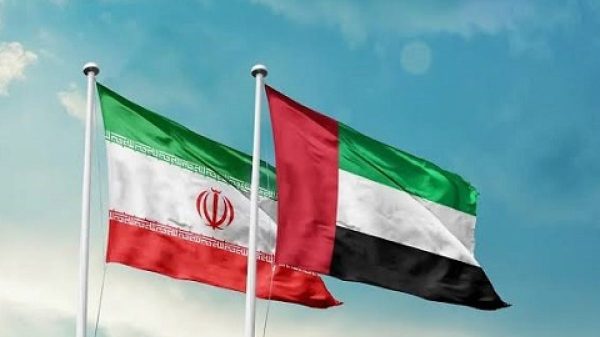
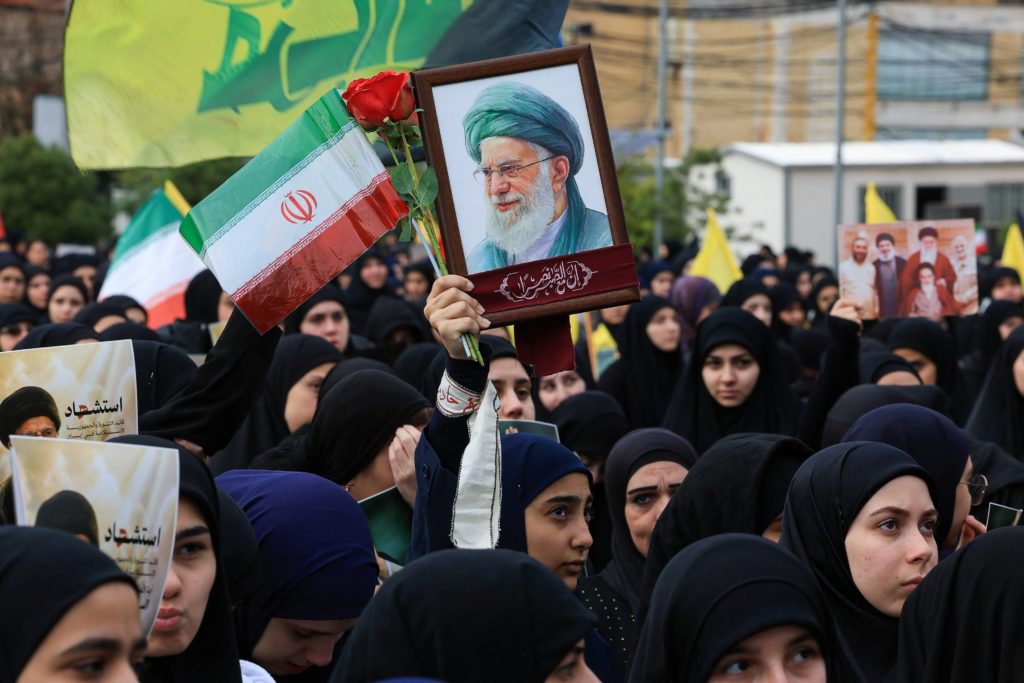
As American troops and military assets continue to arrive in the region, Iran has carried out retaliatory strikes on Gulf nations perceived as US proxies. Saudi Arabia reported intercepting one of three ballistic missiles near Riyadh, while the UAE countered new missile and drone attacks. In Lebanon, Hezbollah fired rockets at northern Israel, killing one soldier—the first Israeli casualty from Lebanese fire since hostilities with Hezbollah began in early March.
The conflict has also spilled into Iraq, with overnight attacks targeting a US diplomatic and logistics center at Baghdad International Airport. At least six separate strikes were reported, according to Iraqi security officials, highlighting the widening regional impact of the escalating war.
The situation in the Middle East remains tense, with economic, military, and humanitarian stakes rising daily as Iran, the US, and Israel continue to exchange threats and strikes across the region.