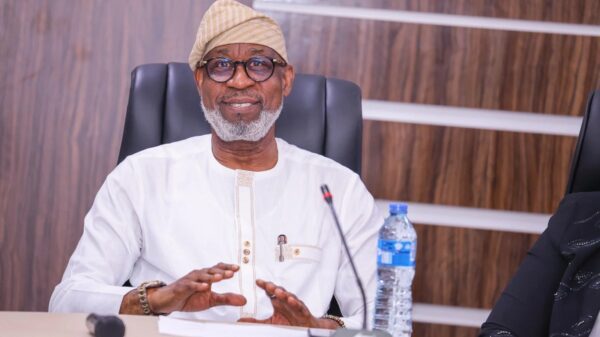
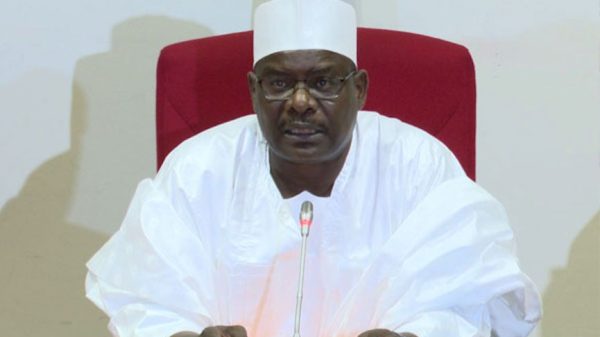

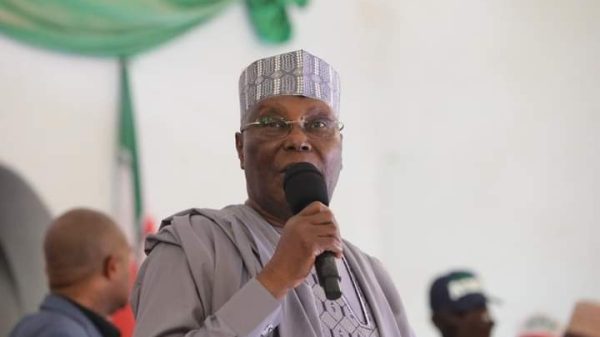



















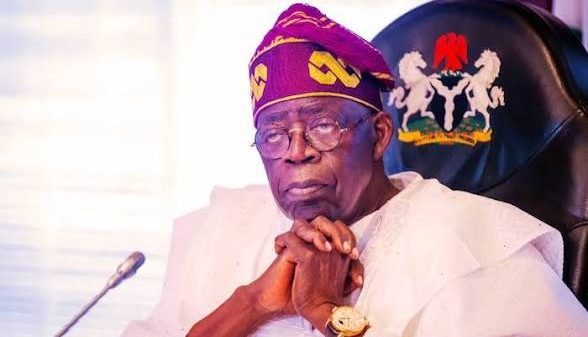

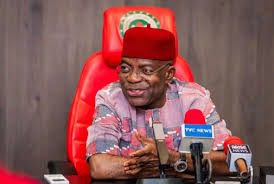




Senator Ali Ndume, representing Borno South in the National Assembly, has cast doubt on the ability of the current opposition lineup to unseat President Bola Tinubu in the upcoming 2027 elections. Speaking during a recent television appearance on Thursday, the veteran lawmaker suggested that the leading figures currently eyeing the presidency have yet to offer anything remarkably different from their previous campaigns.
According to Ndume, names like Atiku Abubakar, Peter Obi, and Rotimi Amaechi are well-known to the Nigerian electorate, but their strategies appear to be more of the same. He noted that while these individuals are frequently discussed in political circles, they have not yet presented a compelling or fresh vision that would genuinely worry the ruling All Progressives Congress. In his view, as long as the opposition continues to rely on familiar faces and recycled promises, the path for the APC to retain power remains clear.
A significant portion of the Senator’s critique focused on the lack of cohesion among those seeking to take the reins from the current administration. Ndume pointed out that the opposition groups seem more preoccupied with internal power struggles and individual ambitions than with building a united front. He observed that while President Tinubu is firmly in the driver’s seat, those attempting to catch up are struggling with divisions that weaken their collective impact.
Despite his confidence in the ruling party’s position, the Senator was careful not to completely dismiss his rivals. He drew a parallel to the early days of the APC, reminding Nigerians that the Peoples Democratic Party once made the mistake of underestimating their opponents. He recalled how Muhammadu Buhari made several attempts before eventually succeeding, proving that no political contender should be ignored entirely, regardless of how disorganized they may seem at the moment.
The lawmaker concluded by suggesting that for any real shift to occur in 2027, the opposition would need to move beyond individual interests and focus on a coordinated strategy. For now, however, he remains unconvinced that the current crop of challengers has what it takes to disrupt the status quo, citing a lack of preparation and unity as their biggest hurdles.