


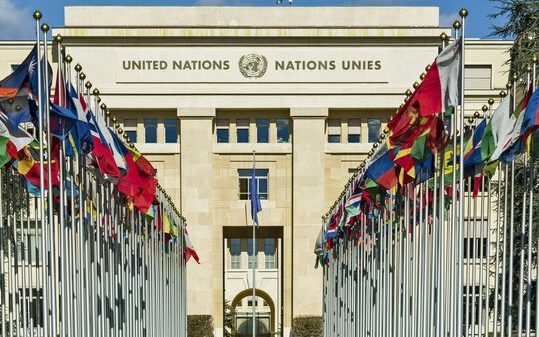
















Nigeria, alongside Ghana and 121 other UN member states, took a historic step on Wednesday by adopting a resolution declaring the transatlantic slave trade as the gravest crime against humanity. The resolution, championed by Ghana, passed with 123 votes in favor, while Argentina, Israel, and the United States voted against it, and 52 countries abstained.
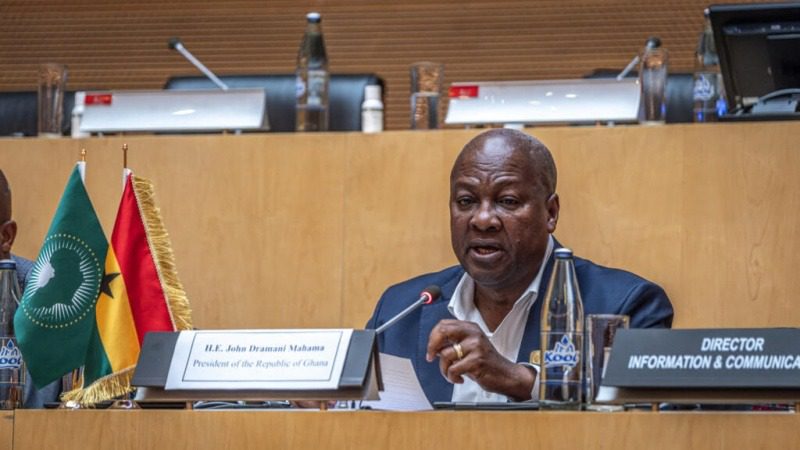
The move coincides with the Second International Decade for People of African Descent and the African Union’s Decade of Reparations, signaling renewed global focus on historical injustices. Speaking for the 54-member African Group, the largest regional bloc at the UN, Ghana’s President John Mahama highlighted the significance of the vote.
“Today, we come together in solemn solidarity to affirm truth and pursue a route to healing and reparative justice,” Mahama said.
The resolution recalls the staggering human cost of the transatlantic slave trade, which forcibly removed millions of Africans over more than 400 years. Shackled and shipped to the New World, these individuals labored under brutal conditions in cotton, sugar, and coffee plantations, stripped of their names and denied basic humanity. The enduring impact of this exploitation continues to shape societies today, manifesting in systemic anti-Black racism and discrimination.
The text of the resolution emphasized “the trafficking of enslaved Africans and racialized chattel enslavement of Africans as the gravest crime against humanity,” citing the magnitude, duration, systemic nature, and brutality of these acts. It stressed the ongoing consequences embedded in modern regimes of labor, property, and capital, and affirmed the necessity of addressing historical wrongs to promote justice, human rights, dignity, and healing. Reparations, the resolution noted, represent a concrete step toward remedy.
UN Secretary-General António Guterres called for a global reckoning with slavery’s enduring legacies. “Now we must remove the persistent barriers that prevent so many people of African descent from exercising their rights and realizing their potential,” he said. He urged nations to tackle systemic racism, ensure reparatory justice, and foster inclusive development, including equal access to education, healthcare, employment, housing, and a safe environment.
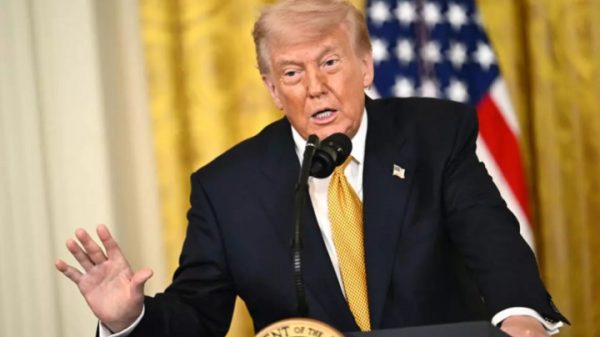
Not all nations were aligned. The United States, through its representative to the UN Economic and Social Council, Dan Negrea, stated that the country “does not recognize a legal right to reparations for historical wrongs that were not illegal under international law at the time they occurred.”
Despite differing perspectives, the resolution marks a pivotal moment in global efforts to confront historical injustices and acknowledges the enduring call for justice from African nations and the diaspora.