







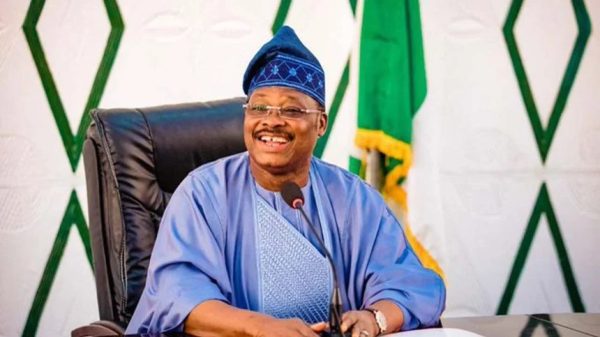





















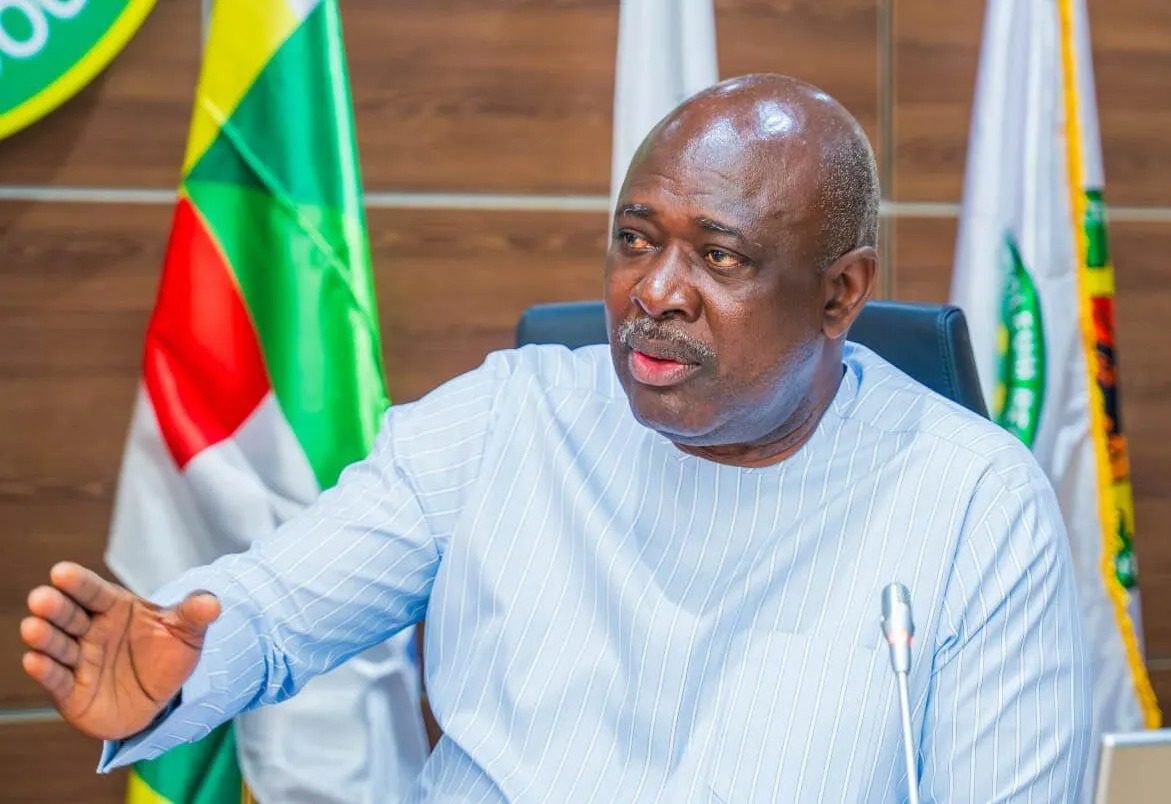
Nigeria has once again assured global investors of its readiness to provide a stable and transparent environment for business in the petroleum sector. This commitment was underscored by the Minister of State for Petroleum Resources (Oil), Senator Heineken Lokpobiri, who delivered a keynote address on behalf of President Bola Ahmed Tinubu at the Africa Energy Week in Cape Town, South Africa.
Lokpobiri stressed that Nigeria is “open for business” and actively pursuing reforms that put efficiency, investment, and sustainable growth at the forefront of its oil and gas industry. “This is more than a conference; it is a call to action,” he declared, adding that Nigeria intends not just to participate in Africa’s energy transition, but to drive it.
The Minister highlighted the transformative impact of the Petroleum Industry Act (PIA), which has created a predictable fiscal and regulatory framework for investors. He explained that the Act ensures transparency in licensing, strengthens community relations, improves regulatory oversight, and establishes fairer contractual agreements. “What makes Nigeria different today is the scale of legal, structural, and financial reforms we are implementing,” he said.
Nigeria’s upstream sector, he revealed, is bouncing back. The “Project One Million Barrels” initiative, launched in October 2024, has already lifted daily crude oil output to between 1.7 and 1.83 million barrels. July 2025 alone recorded a surge of 300,000 barrels per day, while the number of active drilling rigs rose from 31 in January to 50 by mid-year.
The Minister also pointed to the divestment of assets by International Oil Companies (IOCs) as a game-changer, unlocking over $5.5 billion in Final Investment Decisions within a few months. These transactions, he said, are “not just transfers of assets, but transfers of confidence and capability,” contributing an extra 200,000 barrels per day to Nigeria’s production.
Beyond Nigeria, Lokpobiri called on African nations to extract greater value from their hydrocarbon resources through infrastructure development, industrialization, and regional value chains. He lamented that Africa spends more than $120 billion annually on importing hydrocarbons, describing it as a missed opportunity for growth.
He further urged African governments to harness domestic capital, noting that the continent controls nearly $4 trillion in pension and insurance funds. “The issue is not the availability of money, but how we direct it into investments that transform our economies,” he argued.
Touching on the global energy debate, the Minister insisted that equity and balance must guide the conversation. He emphasized the need for a diverse energy mix that guarantees availability and affordability, rather than abandoning oil altogether. Nigeria, he assured, will continue to responsibly utilize its resources while advancing toward a more diversified and sustainable energy future.
Reaffirming Nigeria’s position as a leading energy hub, Lokpobiri said the country is offering investors clear incentives, consistent reforms, and opportunities at scale. “Come to Nigeria and be part of the energy revolution,” he urged, assuring that the government’s open-door policy and ambitious reforms will ensure long-term returns for investors.
With bold reforms already unlocking value, Nigeria is charting a new path as a central player in Africa’s energy future.