



























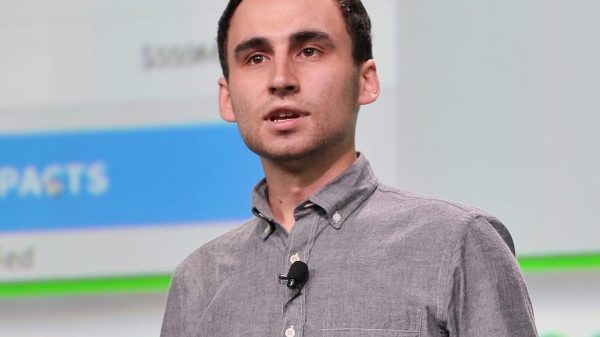





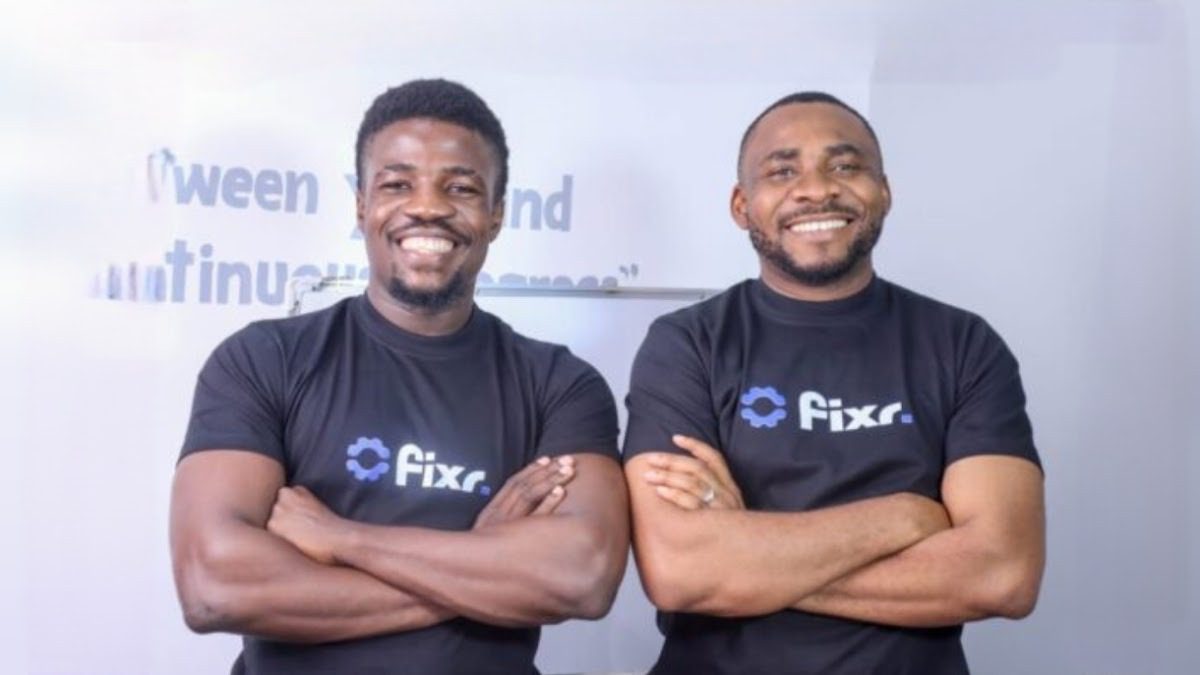
When Ikechi Adolphus first started out, his goal wasn’t to build a typical tech startup. Instead, he wanted to create a business rooted in trust that could use technology to grow. Along with his co-founder, Olamide Akangbe, he has turned Fixr Technologies into a powerhouse of engineering services in Lagos, but he is very careful about how the company is described. He doesn’t want it called a “marketplace” because Fixr isn’t just a middleman connecting people with repairmen.
Since shifting to a tech-driven model in early 2023, the company has expanded rapidly across Nigeria and even into Ghana and Kenya. With around 400 technicians—most of whom are full-time, salaried staff—and a sophisticated logistics network including several “dark stores” for parts, the business is thriving. Remarkably, they have processed nearly ₦5 billion in their renewable energy division alone, all while growing seven times over in the last year without taking a single kobo of outside investment.
Adolphus believes the traditional service marketplace model is fundamentally flawed. Usually, if a technician does a great job, the customer saves their number and bypasses the platform next time. If they do a poor job, the customer never returns. To fix this, Fixr acts as a contractor rather than an agency. When you book a service, your relationship is with Fixr, not the individual technician. The company handles everything from part procurement to final payment, ensuring they maintain total control over the quality of work.
This hands-on approach is supported by seven specific service categories: HVAC, solar energy, electrical fittings, electronics, surveillance, communications, and home automation. These weren’t chosen at random; they were selected because they are critical services with massive global potential. The solar energy branch has been particularly successful, offering financing plans that allow customers to pay for installations over three to twelve months through partnerships with major banks.
The technology behind the scenes is what keeps the wheels turning. Interestingly, the company didn’t start with a line of code; it started with a repair shop. Akangbe was actually fixing Adolphus’s washing machine when they met. Today, that humble beginning has evolved into a three-layered tech system: one for internal operations to track jobs, one for technicians to manage their tasks and logistics, and a customer-facing app where users can track repairs and solar loan statuses.
Perhaps most impressive is that Fixr has reached a revenue of over ₦3 billion in 2025 without any venture capital. By reinvesting profits and using structured debt from banking partners, they have managed to scale while avoiding the pressure and dilution that often come with outside investors. With a tenfold revenue increase projected for 2026, Fixr is proving that a disciplined, service-first approach might just be the most sustainable way to build a giant in the African tech space.