































Kenneth Okonkwo has renewed his call for stronger safeguards in Nigeria’s electoral process, urging the Senate to eliminate any provision that allows for manual transmission of election results.
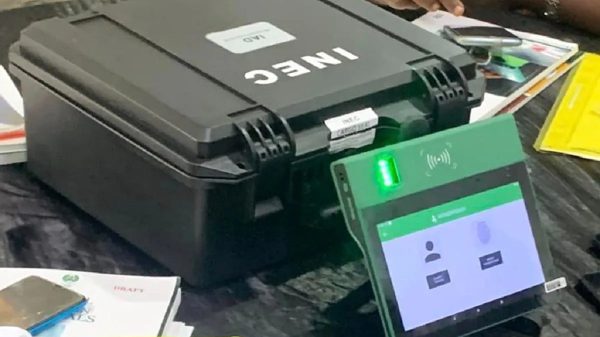
Speaking during an appearance on Politics Today, the African Democratic Congress chieftain maintained that results must be transmitted directly from polling units to prevent manipulation. According to him, once the law clearly mandates electronic transmission from the polling unit, it would limit opportunities for interference and ensure officers conclude their duties transparently at the source.
Okonkwo went further, insisting that any election where electronic transmission fails should be cancelled outright. He argued that accreditation and voting hold little value if the final results cannot be trusted. In his view, credible outcomes are the backbone of democracy, and anything short of that only strengthens those who exploit the system.
He stressed that Nigeria’s development has been slowed by disputed and flawed elections, noting that genuine free and fair polls could transform the country’s trajectory within a generation. Democracy, he said, belongs to the people and not to any political party.
The debate follows the Senate’s recent passage of amendments to the Electoral Act. Lawmakers initially rejected a clause proposing real-time electronic transmission of results but retained the provision granting the Independent National Electoral Commission discretion over how results are transmitted. The move drew criticism from opposition figures and sparked protests at the National Assembly.
Amid public pressure, the Senate later reconsidered its position and approved electronic transmission of results, though without the “real-time” requirement. It also ruled that in areas with poor internet access, Form EC8A would serve as the primary document for collation.
An emergency plenary session led to the formation of a committee tasked with harmonizing the Senate’s version of the bill with that of the House of Representatives, following widespread public concern over certain amendments.