






























Catholic Pontiff Pope Leo XIV and former presidential candidate Peter Obi have drawn global attention to Africa’s escalating hunger crisis, urging governments and leaders not to abandon the poor and vulnerable.
Their interventions follow a stark warning from the Nigerian Red Cross Society, which reported that over 33 million Nigerians could face severe hunger and malnutrition in 2026 unless immediate, coordinated action is taken. The alert came from NRCS Secretary-General Abubakar Kende in Abuja during the launch of the organisation’s Nutrition Advocacy Plan.
The event also marked the induction of Layla Othman, a Nigerian interior designer, writer, entrepreneur, and reality television personality, as the society’s Nutrition Ambassador. Kende highlighted that the advocacy plan aims to mobilise stakeholders, raise public awareness, and chart a concrete path toward tackling the worsening hunger and malnutrition across the country. He expressed confidence that partnerships with philanthropists like Othman could expand the reach of the Red Cross’s interventions to the most vulnerable communities.
In her acceptance remarks, Othman pledged to support efforts to reduce hunger and promote proper nutrition nationwide, expressing gratitude for the recognition.
Nigeria’s hunger crisis is underscored by the 2025 Global Hunger Index, which ranks the country 115th out of 123 nations. With a GHI score of 32.8, the country struggles with a high proportion of undernourished citizens, as nearly 20 per cent of Nigerians lack adequate food intake. Child nutrition remains a major concern, with over a third of children under five stunted due to chronic malnutrition, and 11.6 per cent suffering from acute under-nutrition.
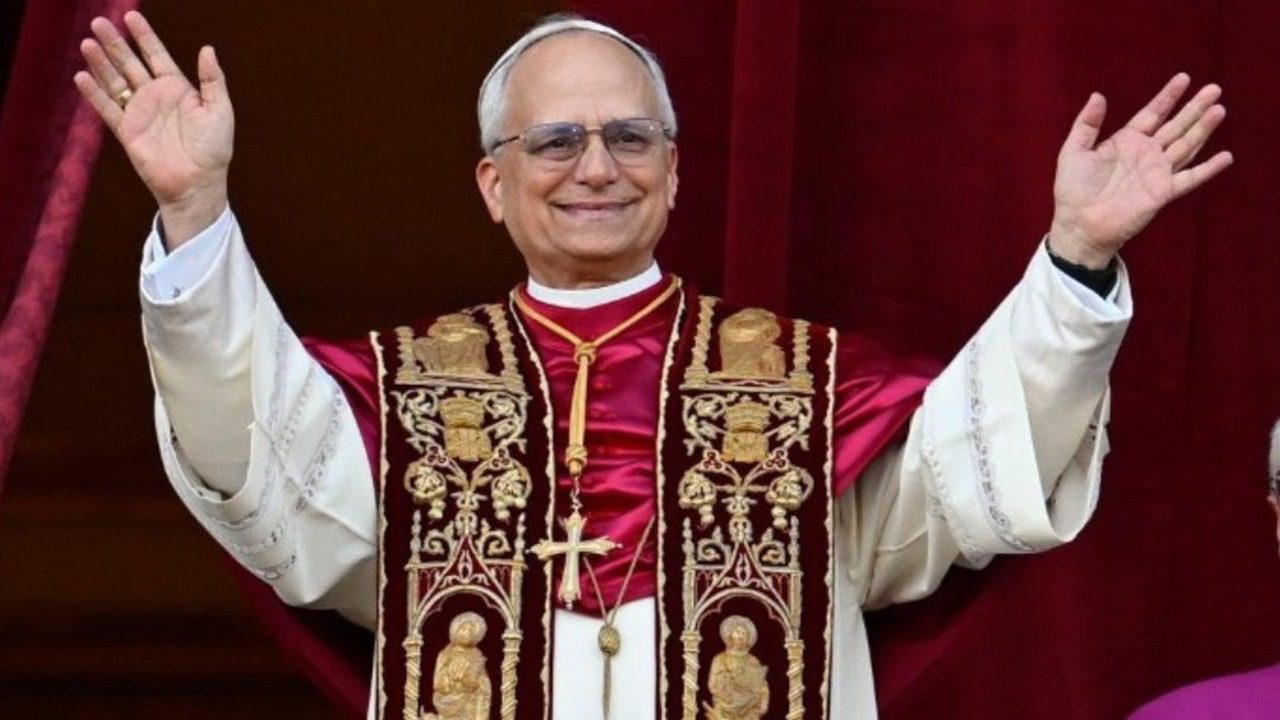
During a Mass at St. Peter’s Basilica, Pope Leo lamented the persistence of poverty, urging world leaders and Catholics alike to reach out to marginalised populations. Celebrating a “Jubilee of the Poor” on the World Day of the Poor, he described the Church as “still wounded by old and new forms of poverty” but committed to being “a mother to the poor, a place of welcome and justice.” The US-born pontiff, now six months into his papacy, has made social justice a central theme of his leadership.
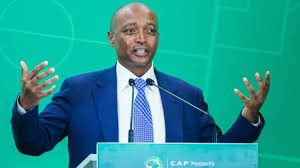
Peter Obi, speaking via Zoom at the Paul Alaje 2nd Colloquium in Abuja, addressed academics, policymakers, and thought leaders, calling for bold, transformative reforms to lift Nigeria and Africa out of poverty. He described Nigeria as a country rich in talent and resources but hampered by decades of mismanagement and weak governance.
Obi stressed that prosperity is not accidental but the result of deliberate, disciplined action. He outlined five key pillars for sustainable growth: shifting from consumption to production, prioritising human capital, strengthening governance and institutions, building a 21st-century economy powered by innovation and technology, and fostering national unity with a shared vision for the continent.
Both Pope Leo and Obi’s interventions highlight the urgency of immediate, coordinated efforts to prevent widespread hunger and set the stage for long-term development in Nigeria and across Africa.