




























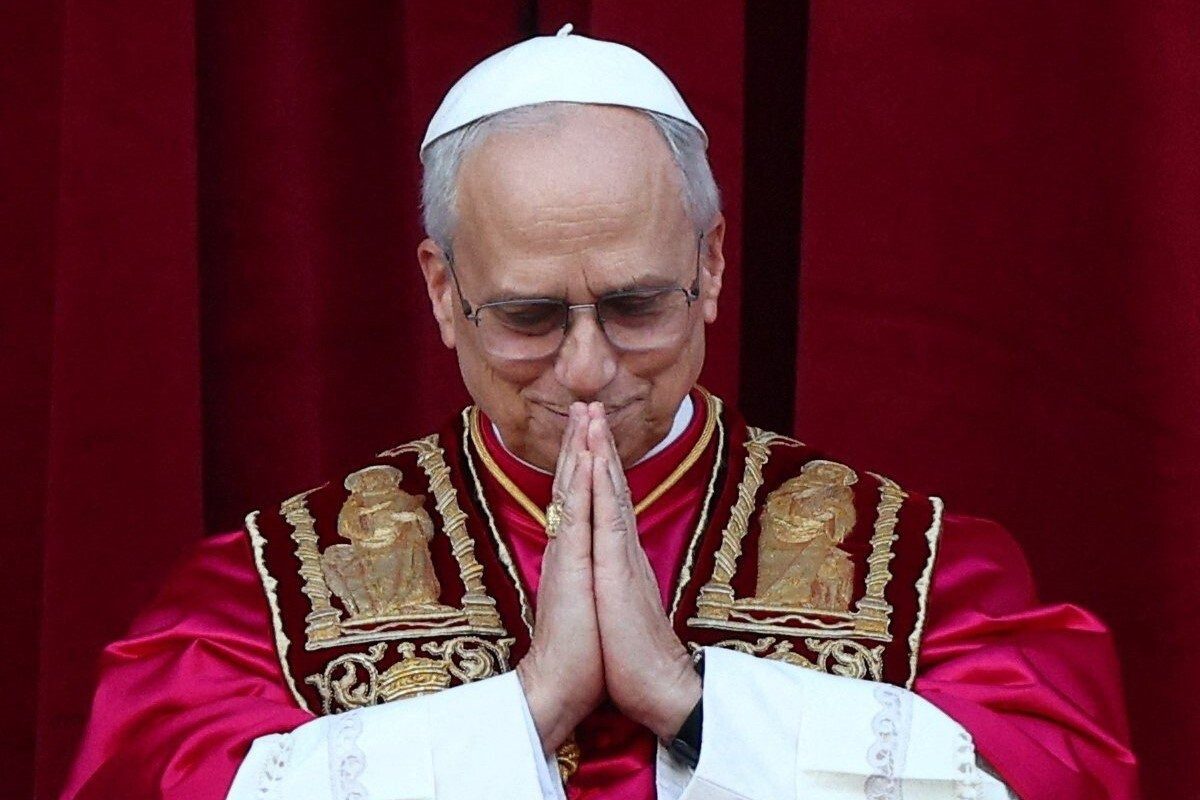
Pope Leo XIV is preparing for a landmark six-day journey that will take him to Turkey and Lebanon later this November — his first major trip since ascending as head of the Catholic Church, Zoyols Blog has learned.
The 70-year-old pontiff will begin his visit in Turkey from November 27 to 30, marking a symbolic pilgrimage to Iznik to commemorate the 1,700th anniversary of the First Council of Nicaea. Vatican spokesperson Matteo Bruni confirmed the trip in a brief announcement, noting that a detailed itinerary would be released soon.
From Turkey, Pope Leo will continue to Lebanon from November 30 to December 2, a visit that has already been described as “a historic moment” by Lebanese President Joseph Aoun. Aoun, a Maronite Christian who had earlier extended an invitation to the Pope during his visit to the Vatican in June, said the occasion carries deep spiritual and cultural significance. “This papal visit stands as a call for peace, for reaffirming the Christian presence in the East, and for preserving the Lebanese model of coexistence that the region — and indeed the world — needs,” he said.
Pope Leo’s upcoming pilgrimage fulfills a promise he made in July when he expressed his wish to visit Iznik for the anniversary of the Council of Nicaea, one of the most defining events in Church history. The trip was initially planned for May by his late predecessor, Pope Francis, who passed away in April at the age of 88.
Iznik, formerly known as Nicaea, sits about 100 kilometers southeast of Istanbul and holds immense historical weight. It was in this city in 325 AD that Emperor Constantine convened the first ecumenical council — bringing together bishops from across the Roman Empire. Their deliberations gave birth to the Nicene Creed, a foundational declaration of faith affirming the belief in one God existing as the Father, the Son, and the Holy Spirit — a doctrine that continues to anchor most Christian denominations today.
Attention now turns to Lebanon, where Pope Leo’s message of peace will resonate deeply in a country still navigating political tensions and sectarian divides. The Lebanese government has been under international pressure to curb the influence of non-state armed groups, particularly the Iran-backed Hezbollah movement.
According to sources close to the trip organizers, Pope Leo is expected to visit the Sanctuary of Saint Charbel, north of Beirut, a revered site among Lebanese Christians and a symbol of enduring faith amid turmoil.
The Pope’s visit also comes at a sensitive time for the region. Despite a ceasefire established in late 2024, Israel continues to maintain a military presence in southern Lebanon and frequently carries out strikes it claims target Hezbollah infrastructure and fighters.
The last papal trip to Lebanon took place in 2012 under Pope Benedict XVI, while Turkey last welcomed a pontiff in 2014 when Pope Francis met with Turkish President Recep Tayyip Erdogan in Ankara and Istanbul.
Pope Leo’s upcoming journey, rich with symbolism and diplomacy, is expected to reaffirm the Church’s commitment to dialogue, unity, and peace across regions long marked by conflict — a mission that continues to define the papacy’s voice on the global stage.