



















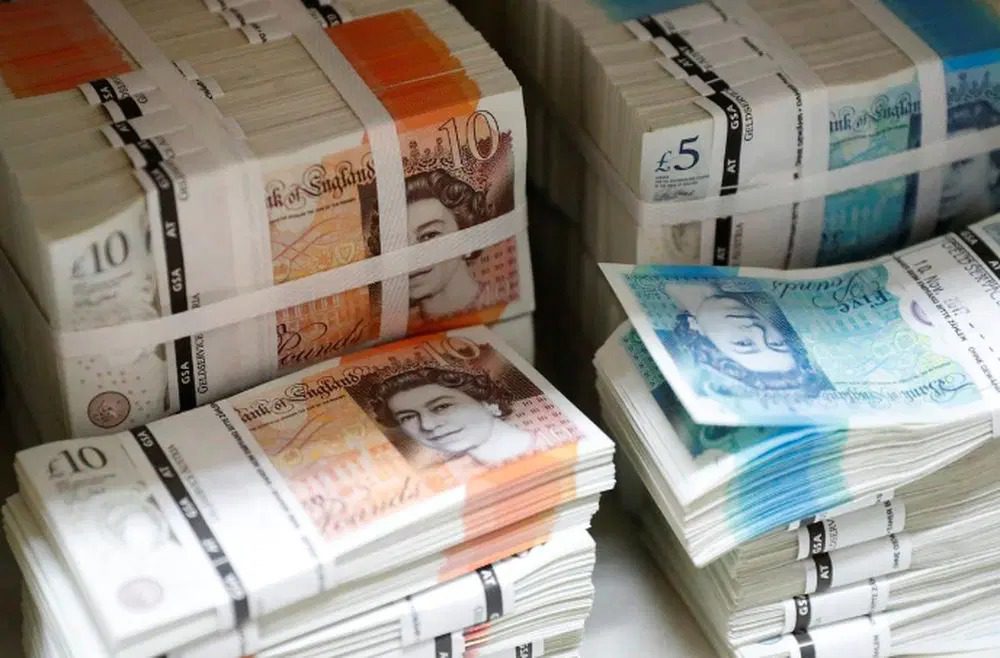
The British Pound Sterling has kicked off the final trading week of March 2026 with a noticeable upward trend against the Nigerian Naira. This shift comes as investors and businesses react to fresh economic data emerging from both London and Abuja, triggering a period of activity across the currency markets as the first quarter of the year draws to a close.
According to real-time data monitored by Reports, the early morning session on Monday, March 30, saw the Pound open at ₦1,824.75 at the official Nigerian Foreign Exchange Market. By mid-morning, the rate had climbed to approximately ₦1,834.95, marking an appreciation of 0.56% in just a few hours. This movement follows a relatively calm period last week and is largely attributed to a seasonal surge in demand for international business settlements. Despite the slight uptick, market liquidity remains healthy, bolstered by the Central Bank of Nigeria’s ongoing transparency initiatives and the updated electronic matching systems.
The informal or parallel market has mirrored these gains, though at a slightly higher range. In major commercial hubs like Lagos and Abuja, the Pound is currently being quoted between ₦1,910 and ₦1,940 for selling, while buying rates are hovering near ₦1,895. Interestingly, the gap between the official and parallel rates remains much tighter than in previous years. Traders on the ground suggest that the consistent supply of foreign exchange through integrated Bureau De Change operators has helped curb the sharp, speculative spikes that used to characterize this time of the month.
Several key economic factors are currently dictating the strength of the Pound against the Naira. From the UK perspective, steady signals from the Bank of England regarding inflation have kept the Pound attractive to global investors. On the home front, Nigeria’s external reserves have remained firm near the $50 billion mark, providing a necessary buffer for the Naira. Additionally, a steady flow of foreign investment into the Nigerian debt market has helped maintain overall currency stability, even as individual currencies like the Pound show temporary strength.
As we head toward the close of the trading day, experts expect the Pound to maintain its current range. Market participants are keeping a close watch on the Central Bank’s end-of-month intervention volumes, which are typically designed to smooth out any excessive volatility. For individuals planning for tuition fees or upcoming travel costs, the narrowing spread between market rates currently offers a more predictable environment for financial planning than we have seen in recent months.